Can I Take Creatine Before Bed? Pros & Cons

If you've heard people at the gym warning that creatine will interfere with sleep, brace yourself: That's a myth.
We explore the actual science behind creatine and sleep to help you determine whether the evening is the right time for you to take your daily dose.
Key Takeaways
- Creatine is a naturally occurring compound that helps our bodies generate short-term energy.
- As such, it can potentially support short-term, high-intensity exercise performance.
- Research has also shown that creatine can help with muscle water retention, muscle repair, and cognitive function.
- Studies suggest creatine may be more effective when taken before or after a workout, but the most important thing is taking it consistently every single day.
- Creatine isn't a stimulant, so it shouldn't impact sleep, and it may even support sleep.
See More: What Is Stim Vs. Non-Stim Pre-Workout?
Understanding Creatine Intake
Carriejune, founder of Minibeast, says:
"Some people prefer taking creatine before bed because they feel it helps support muscle recovery overnight. Others find creatine is more effective when they take it closer to their workouts.”
Just imagine: It's the end of a long day, you've had a great workout, and you're getting ready for bed when you realize you forgot to take creatine.
What now? Should you skip the day's dose, risking your consistency? Or is it fine to take creatine before bed?
This situation happens all the time. We all lead busy lives, and sometimes things get forgotten.
Fortunately, there's nothing inherently wrong with taking creatine before bed. In fact, doing so can offer a few advantages, as we'll explain.
However, there are a few potential downsides to taking creatine before bed. These won't impact everyone, but it's important to consider them before you integrate creatine into your nighttime routine.
Before we consider the pros and cons of nighttime dosing, we need to explore what actually makes creatine such a powerful supplement.

How Creatine Works
Creatine is a naturally occurring compound. Your body builds it from amino acids, and usually produces about one gram every single day.
We can also get creatine from our diet. Foods usually provide another gram of creatine each day. Some examples of foods that help boost creatine stores in the body include red meat, seafood, and animal milk.
Why Creatine Supports Muscle Growth
The vast majority of your body's creatine, about 95%, is stored in muscle. The rest is distributed throughout other tissues, including the heart and brain.
Creatine is an essential component of adenosine triphosphate, or ATP. That's the molecule your body uses for energy production. As our bodies expend energy, such as during exercise, we burn through our stores of ATP.
Fortunately, creatine can help our bodies regenerate ATP. For example, one study found that creatine resulted in a "significant increase in cellular ATP."
By helping us regenerate our energy stores, creatine essentially acts as a short-term energy boost. That energy boost theoretically helps us push that little bit harder during a workout.
Crucially, creatine is not a stimulant. It doesn't interact with the nervous system in the same way something like caffeine does, in a way that might keep you awake at night.
Recommended Dose
Creatine supplements are a good way to boost your body's stores. The most common type of creatine supplement uses creatine monohydrate. The recommended dosage of traditional creatine monohydrate is between three and five grams per day.
Research suggests that regular creatine supplementation can aid in muscle growth. Beyond providing that extra boost of energy, creatine is thought to also help with water retention (into muscle cells), mental clarity, and muscle recovery.
For example, one 2024 study found that people who took creatine supplements with resistance training "significantly improved both upper- and lower-body strength."
That's an important note. You can't just consume creatine and expect lean muscle growth. It needs to be combined with a proper workout routine, including the necessary steps for healthy recovery.
Creatine Loading Phase
If you're just starting with creatine, experts recommend conducting what is called a creatine loading phase. The loading phase lasts about a week, and involves taking up to 25 grams of creatine every day.
Why? The idea is to fill up your muscle's creatine stores, in order to experience the potential benefits sooner. Once you've achieved muscle saturation, you switch to the daily maintenance dose of 3 to 5g.
Creatine Timing: Pre-Workout, Post-Workout, or Before Bed
Remember, the purpose of creatine is to replenish energy stores in your muscle tissue in order to let you push yourself that little bit more. As such, there's no single perfect time to take creatine, and different people follow different schools of thought.
For example, some people take creatine in the morning. They find it's easy to remember to take it when it's integrated into their AM routine.
Others like to take creatine before or after their workout. Some studies suggest this can make the creatine more effective.
For example, one study found that participants who took creatine after exercise experienced greater strength gains than those who took it before exercise. Another study from 2021 found that taking creatine an hour or two before exercising might provide the same benefits. And yet another study concluded there was no difference between taking creatine before or after exercise.

Pros of Taking Creatine Before Bed
That said, there are some distinct advantages to taking creatine before bed. You don't necessarily have to take all of your dose before bed; some people split their dose and take it multiple times throughout the day.
Overnight Muscle Recovery
As you may know, sleep is absolutely vital for muscle growth. Our muscles grow during the repair process, and quality sleep underpins that process.
But repair isn't free. In order to build the lean muscle mass that we want, our muscles need to use energy. Taking creatine before bed can ensure our muscles' stores are topped up, helping them fuel that repair process efficiently.
Pair With an Evening Meal
While you can take creatine on an empty stomach, creatine uptake may be enhanced when it's taken with a meal.
Consistent Supplementation
Remember, creatine isn't a stimulant. You don't need to take it at a specific time. Instead, the important thing is ensuring that muscle creatine levels are always adequate, so your muscles have the fuel for that short-term burst of extra energy when needed.
Therefore, the most important thing is to be consistent. If you find it easier to remember to take your creatine in the evening than before or after a workout, take it in the evening. You'll get better gains from actually staying consistent with your creatine, compared to trying and failing to take it at some potential optimal time.
Creatine Does Not Disrupt Sleep
Lots of people assume that creatine will disrupt sleep. But there isn't any evidence to back that up.
As we mentioned, creatine isn't a stimulant. It doesn't trigger the release of hormones that will keep you awake, nor does it cause your nervous system to remain alert.
The misconception might come in part because creatine helps with high-intensity exercise and cellular energy. We associate those things with wakefulness, and therefore might assume that creatine must interfere with sleep.
In fact, research has even shown that creatine might help with sleep. For example, one 2024 study found that women who took creatine slept for longer than those who didn't. Both groups in the trial completed resistance training, which suggests it wasn't necessarily the exercise that contributed to the increase in sleep duration.
Cons of Taking Creatine Before Bed
That said, there are a few potential downsides to taking creatine before bed.
Separate From Training
As we explained earlier, some studies do suggest that taking creatine before or after exercise provides more benefits than taking it at other times.
Potential Side Effects
Creatine does have some potential side effects, including dizziness, nausea, and stomach upset. These side effects may reduce sleep quality or make it more difficult to get to sleep.
Hydration
Another potential side effect of creatine is dehydration. Creatine helps pull water into muscle cells, improving function and appearance.
But that means you need to drink enough water to compensate. If you don't, and take creatine at night, you could wake up dehydrated and cramped. Fortunately, drinking enough water throughout the day should prevent this.
Other Ingredients
Some creatine supplements may contain other ingredients that will interfere with sleep. For example, certain pre-workout supplements might blend creatine with stimulants like caffeine. Just make sure to check the label for your creatine supplement before taking it at night.
Where to Get Creatine Supplements
If you want to take creatine at night, it's important to stick with a high-quality, pure supplement without any filler.

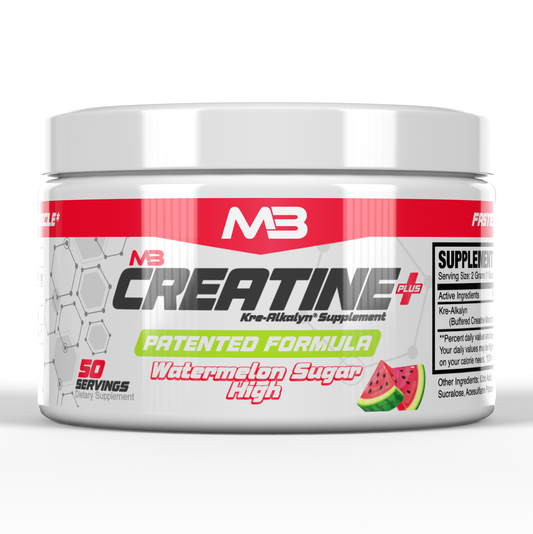
One great option is Minibeast's MB Creatine Plus. It's a patented formula of 99.9% pure creatine monohydrate. There's no sugar, no fillers, no GMOs, no gluten, no animal products — nothing but pure, muscle-supporting creatine.
The creatine is also pH-buffered to help minimize the potential for stomach discomfort.
That said, plenty of fitness enthusiasts combine their creatine with other workout-enhancing ingredients. After all, why not combine creatine's potential benefits with those of other similarly powerful ingredients?
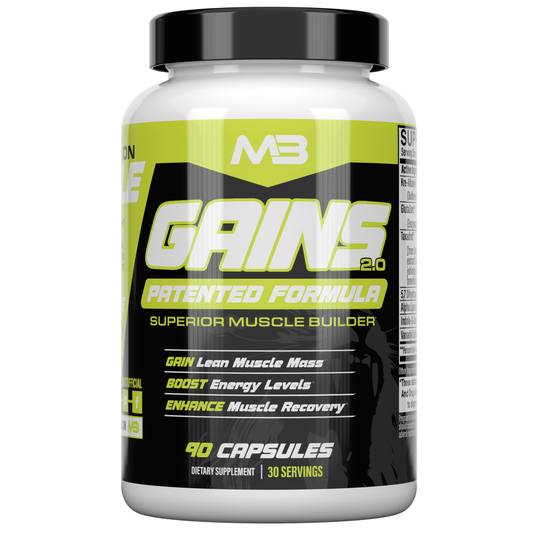
If that sounds good, consider Minibeast's Gains 2.0 Muscle Builder. This patented formula combines that same high-quality creatine with glutamine for recovery and taxadrol to help build lean mass. It's made in the USA and three-times quality tested.
Conclusion
Creatine is one of the ultimate workout-supporting ingredients. The most important thing is to take it consistently, ensuring your muscles have sufficient stores to actually benefit.
If taking creatine at night is the best way for you to stay consistent, go for it. An evening dose may also provide specific benefits, like overnight recovery and better absorption with an evening meal.
There's no conclusive evidence to say creatine interferes with sleep. In fact, some studies have found it can help with sleep.
Frequently Asked Questions
Is Creatine OK to Take Before Bed?
Yes! It's perfectly fine to take creatine before bed. Creatine itself does not interfere with sleep, and may even support sleep.
That said, some studies have found that creatine may be more effective when taken before or after a workout, rather than at night.
It's somewhat the same thing with waist trainers - wear them during your workout primarily, and not at night.
Does Creatine Affect Your Sleep?
It shouldn't. Creatine isn't a stimulant, so it shouldn't interfere with sleep. In fact, research suggests it might even support sleep.
Is Creatine Better In the Morning or at Night?
That depends on your routine and when you workout. Research suggests that creatine is more effective when taken before or after a workout. So if you exercise in the morning, consider taking creatine then, and vice versa for the evening.
Keep Reading: How Do Adjustable Dumbbells Work?
--
Minibeast believes that everyone has the power to evolve into their best self. From state-of-the-art fitness equipment to comprehensive training programs, our brand is built for those who take their goals seriously. Through The Heart of Minibeast, 5% of every order helps feed families in need and support community programs. Get the latest workout tips, product updates, and fitness content by following us on Instagram, Facebook, YouTube, and TikTok.
–
These statements have not been evaluated by the Food and Drug Administration. These products are not intended to diagnose, treat, cure, or prevent any disease. The information provided on this website is for informational purposes only and is not intended as a substitute for professional medical advice, diagnosis, or treatment. Always seek the advice of a qualified healthcare provider with any questions you may have regarding a medical condition or before starting any new diet, exercise program, supplement, or using any fitness equipment or apparel. By using this site and its products, you acknowledge that you do so at your own risk. Use all products only as directed and discontinue use immediately if discomfort or adverse effects occur.