How To Build A Booty

Building a booty is simpler than you might think. All it takes is some dedication and a little know-how.
Read on for some research-backed booty-building tips, from underrated exercises to nutrition hacks, to help you build the booty of your dreams.
Key Takeaways
- Your glute muscles are the largest in your body.
- To build them, try exercises like hip thrusts, squats, and bridges.
- Machines like the Roman chair can help, too.
- A healthy diet with plenty of protein is also key.
- Training programs, meal plans, and supplements can all help you on your booty-building journey.
How to Build a Booty
Carriejune, founder of Minibeast, says:
"Anybody can build a booty. To do so, you'll need the right exercises, proper nutrition, high-quality supplements, and the discipline to stay dedicated."
Did you know that for thousands of years, cultures around the world viewed well-developed butts as a sign of health and strength?
It's true. The current focus on building big butt cheeks is far from new.
And it makes sense. Building a booty takes time, effort, and dedication. It requires a healthy, balanced diet and exercise.
That's not to say all butts have to look the same. Two people could follow the same fitness routine and end up in different places.
The point is to build the best version of yourself. With the right diet and exercise, you can enhance your natural curves, and build size and strength.
But what is the right diet? What are the right exercises?
Again, specifics can vary between individuals. That's why many people prefer to follow customized diet and training plans crafted by professionals.
We'll cover that later. Before that, we need to cover some of the best booty-building exercises and explain some nutrition advice.
But first, we need to answer an important question. What is the booty, really?
The Secrets to Glute Gains
Your booty has another name: The glutes. Your glute muscles are the largest and most powerful in your body.
There are actually three of them. The gluteus maximus is the largest. It's the one most responsible for the size and shape of your booty.
On the outside, toward your hips, lies the gluteus medius. It's important for hip stability.
Under that is the gluteus minimus. It's also important for stability, plus rotation. It also helps give your booty that rounded, lifted look.
These three muscles, the glute muscles, are central to almost every single leg movement. They're involved in plenty of whole-body movements, too.
The glutes might be mighty, and they can certainly feel special, but they're built like any other muscle. In other words, the basic principles of muscle growth apply.
That means progressive overload. Your glutes can handle a lot of weight, and you need to keep pushing them to the limit to ensure they are growing.
It also means a combination of compound movements and isolated, targeted exercises. You want to focus on functional movement to support everyday and athletic performance, but also specific exercises for aesthetics and strength. Experts generally recommend hitting the glutes during two or three workouts per week.
And, of course, it means getting the right nutrition. That means a healthy, balanced diet with plenty of protein.
We'll get to that. First, some exercises.
Glute Workouts

Every time you stand, walk, and sit, your glutes are working. But for most people, that's not really glute training.
To really pack on muscle mass, you'll need to push your glutes harder than that.
First, let's cover some basic principles that will help you elevate your glute workouts.
#1. How Many Reps for Glute Growth
How much is too much? Not enough? Just right?
That depends on your goals. Experts generally recommend aiming for a rep range of 8 to 12 reps.
However, some research suggests the number of reps doesn't really matter. What's more important is training to failure. That means continuing, with good form, until you can't complete another rep.
That's what one 2026 study found, anyway. Researchers looked at two groups of people who both trained their lower bodies for six weeks. Both groups worked to failure, but one did 10 reps per set while the other did 20.
The difference? Not much. Both groups had comparable changes in muscle growth and strength.
#2. Proper Form
Reps might be negotiable. Form isn't.
For one thing, good form keeps you safe. It keeps the load on your glutes, instead of shifting it onto more vulnerable parts of the body, like your back, knees, or spine. Poor form can cause serious damage.
Keeping the load on your glutes has another benefit. It means you're actually working them, instead of wasting effort building some other muscles.
We'll cover proper form for all the exercises we mention. Many people find video tutorials helpful. If you're still unsure, consider reaching out to a personal trainer.
#3. Glute Activation
Two people could perform the same exercise, with the same proper form, for the same number of reps — and still get different results.
Why? Glute activation.
Think about when you squat. Are you just going through the motions, or are you really engaging your glutes?
This is the mind-muscle connection. Research suggests that focusing on a specific muscle group while training can enhance that muscle group's activity.
The key is to focus on firing your glutes during each rep. Don't allow other muscles, like your quads, to take over. Really feel the connection between your mind and the muscle you want to work.
If you need help, try doing some activation exercises before your workout. Glute bridges, clamshells, and donkey kicks are all good options.
#4. Barbell Hip Thrust

The barbell hip thrust is a fantastic glute-building exercise. You can train your gluteus maximus under heavy load through its full range of motion.
Rest your upper back on a bench, with your feet flat on the floor in front of you. Place the barbell across your hips, with padding to prevent it from digging in and causing pain.
Drive upwards, through your heels, using your glutes to push your hips upward. The top of the motion comes when your body is in a straight line from knee to shoulder, parallel to the floor.
Make sure to give your glutes a final squeeze at the top of the motion before lowering. Ensure the lowering is controlled.
5. Bulgarian Split Squats
Bulgarian split squats are one of the best single-leg exercises for glute and leg development. They target both the glutes and quads.
Start with your rear foot up on a bench (or sofa if at home) with your laces facing down. Your front foot should be straight ahead.
Lower your back knee to the floor, leaning forward a little to emphasize your glutes. It's your front leg, or your working leg, that should be driving your return to the starting position. Make sure to drive through your front heel, squeezing your glute at the top of the motion.
6. Glute Bridges
We mentioned glute bridges as an activation exercise. They're also a fantastic glute-building exercise for beginners. And there are some variations that can make them tough even for experienced booty builders.
The great thing about glute bridges is that they really isolate your glutes. That's what makes them such a great exercise for activating your glutes.
To do a basic glute bridge, lie on your back. Keep your knees bent and your feet on the floor. Squeeze your butt cheeks to drive your hips up until your body forms a straight line from shoulder to knee.
To make this exercise more challenging, simply add weight. A barbell is a great way to do this. Use padding if the bar is painful.
You can also use a dumbbell to add weight during a glute bridge.
To make things even more challenging, add a resistance band around your legs.
Another variation is the single-leg glute bridge. This is a great way to target one leg, or rather one set of glute muscles.
Yet another variation is the elevated glute bridge. Instead of placing your feet on the floor, put them up on a bench. (Or a sofa, if at home.)
#7. Sumo Squats
Sumo squats are a squat variation tailored for targeting your glutes. They can also be a little easier on the knees than traditional squats.
The key to sumo squat is holding a wide stance. Place your feet wide apart and point your toes outward.
Lower your hips straight down, focusing on activating your glutes. Try not to let your chest collapse inward and make sure your knees remain in line with your toes.
Squeeze your glutes and drive through your heels to bring yourself back up to the starting position.
#8. Split Squats

Split squats are another great single-leg exercise. They target the glutes while also training balance and stability.
Place one foot in front and another behind. Lower your back knee, keeping your front shin vertical and your back upright. Lean forward a little to really activate your glute.
Drive through your front heel and squeeze your working glutes to power back up to your starting position. You can hold weight plates or dumbbells to increase the load.
#9. Roman Chair
The Roman chair is a machine, not an exercise. It's also called the back extension machine.
But don't be fooled. It's a secret weapon for building your glutes.
Place your hips in the machine, facing forward, and hook your feet under the foot pads. Then hinge forward, lowering your upper body, before driving back up.
Try to focus on using your glutes to control your descent and bring you back up. You can hold a weight at your chest for added resistance.
The secret of this exercise is that it trains your glutes in a lengthened position, rather than a contracted one. It's also great for your hamstrings and spinal support muscles.
#10. Booty Building Training Program
One of the best ways to build a booty is by following a professionally designed training program. A high-quality program will be designed to help you with all the key exercises needed for strong glutes.
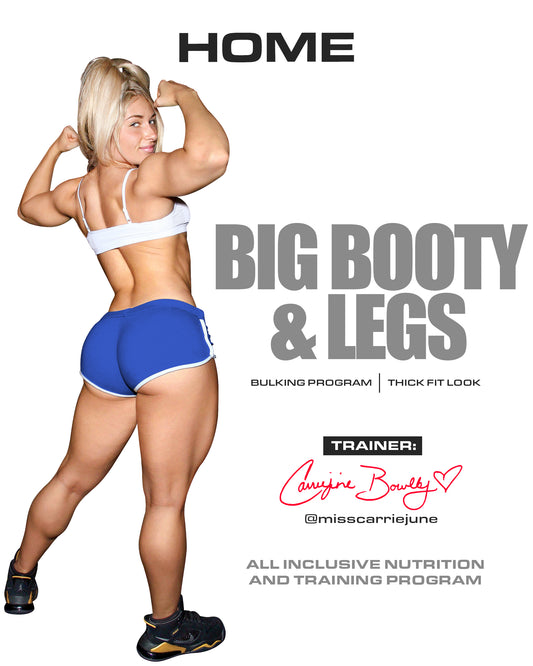
For example, Minibeast's Booty & Legs Workout Program is designed to help you put on booty and leg mass. It includes workout plans, meal plans, recipes, supplement recommendations, and personal tips from Carriejune herself on sculpting and developing your booty and legs.
Nutrition
"Nutrition is everything," explains Minibeast Founder Carriejune. "Diet is nearly 70% of our results."
Your diet plays a massive role in the success of your booty-building efforts. There are three fundamental things to keep in mind.
#11. Calories
Your body needs energy to build a booty. It needs energy to power through your workouts. And it needs energy to repair the damage those workouts cause.
Without enough energy, your body simply won't be able to keep up. It's possible to build muscle while on a slight calorie deficit. But it's generally recommended to eat a little over your maintenance level to give your body the fuel it needs to get building.
What you eat also matters. Try to prioritize whole foods, like vegetables and clean protein.
If you're unsure, check out Minibeast's 100% Custom Meal/Diet Plan. Carriejune, with her nutritionist, will design a custom meal plan for you to help you achieve your booty-building goals.
#12. Protein
Without enough protein, your body can't build muscle. It's that simple.
So how much is enough? Experts generally recommend aiming for 0.7 grams of protein per pound of body weight per day.
Getting that much protein is easier than you might think. At least, it is when you have the right protein powder.
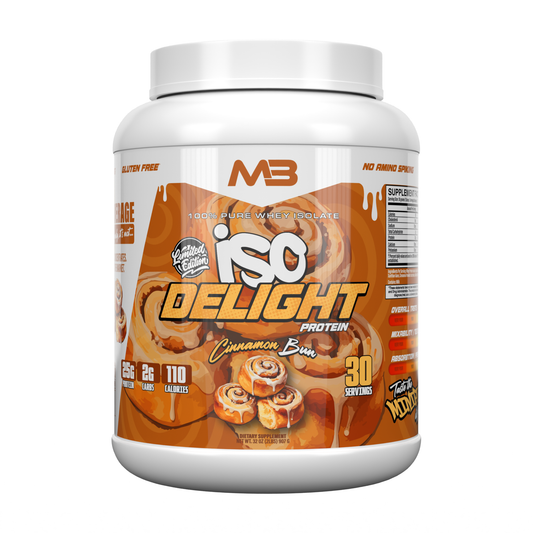
Minibeast's Isodelight Protein is produced with cross-flow microfiltration technology, removing excess fat and isolating protein. The result is an ultra-pure, 90%+ protein powder.
#13. Supplements
Supplements are an excellent way to support and enhance your workouts.
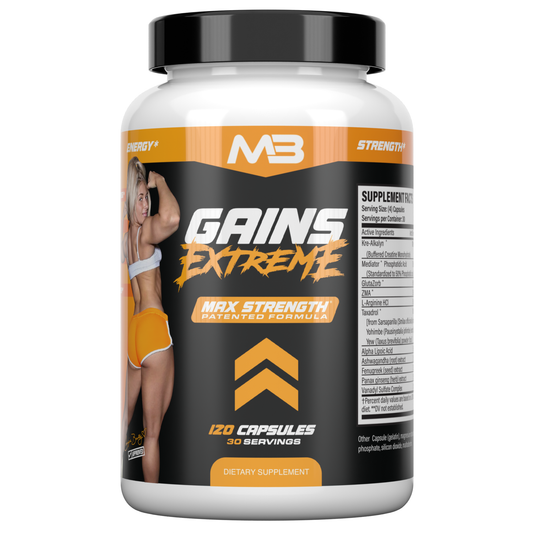
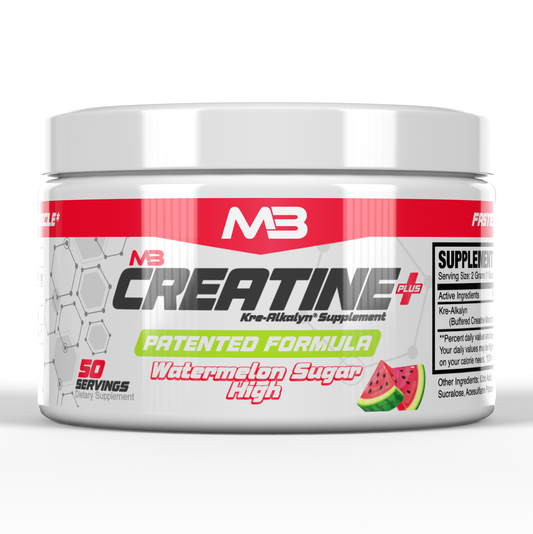
For example, a good pre-workout can provide the energy and focus you need to power through a punishing leg workout. Amino acid supplements provide the aminos your body needs to recover and rebuild muscle. And creatine is a classic that can enhance muscle strength and mass.
 Conclusion
Building a booty takes time, effort, and dedication. But it's not a mystery. It's a combination of a healthy, protein-rich diet, strength training, and the right supplements.
Frequently Asked Questions
How Can I Get a Bigger Booty Fast?
To quickly build a bigger butt, focus on compound leg exercises like hip thrusts and Bulgarian split squats. Try to complete a full lower-body workout two or three times per week. Combine that with a caloric surplus and sufficient protein intake.
How Long Does It Take to Build a Booty?
It typically takes about 6-8 weeks of consistent work for people to start to notice a difference in their glutes. For example, Minibeast's booty-building exercise program is 8 weeks long.
What Is the 8-8-8 Rule for Glutes?
The 8-8-8 rule is a method for maximizing glute activation during hip thrusts. First, complete 8 reps. Then do 8 pulses, or partial-range reps at the top of the movement. Finally, hold at the top for 8 seconds.
-
Minibeast believes that everyone has the power to evolve into their best self. From state-of-the-art fitness equipment to comprehensive training programs, our brand is built for those who take their goals seriously. Through The Heart of Minibeast, 5% of every order helps feed families in need and support community programs. Get the latest workout tips, product updates, and fitness content by following us on Instagram, Facebook, YouTube, and TikTok.
–
These statements have not been evaluated by the Food and Drug Administration. These products are not intended to diagnose, treat, cure, or prevent any disease. The information provided on this website is for informational purposes only and is not intended as a substitute for professional medical advice, diagnosis, or treatment. Always seek the advice of a qualified healthcare provider with any questions you may have regarding a medical condition or before starting any new diet, exercise program, supplement, or using any fitness equipment or apparel. By using this site and its products, you acknowledge that you do so at your own risk. Use all products only as directed and discontinue use immediately if discomfort or adverse effects occur.