What Is a "Gym Pump", And Does It Help Muscle Growth?

Bodybuilding legends called the pump the best feeling in the gym. But they can't agree on whether it helps you bulk up in the long-term.
We explore the science behind pumps and point you to some techniques to help you maximize them during your workouts.
Key Takeaways
- A pump describes a temporary increase in a muscle's size, definition, and hardness.
- It's a form of swelling caused by intense high-volume training.
- In most cases, a pump will fade after an hour or two.
- Some people believe their pump helps their training, but research is more divided.
- Certain supplements, like L-Citrulline, may help you maximize your pump.
See More: 19 Nighttime Snacks That Can Help You Lose Weight
What Is a Muscle Pump?
Carriejune, founder of Minibeast, says:
"Few aspects of bodybuilding are more iconic than a pump. The increase in muscle size and definition is temporary. But some swear it helps their training in the long-term, too."
If you've ever been to the gym, chances are you've heard about the pump. It's one of the most legendary terms in bodybuilding.
Don't take it from us. Legendary bodybuilder Arnold Schwarzenegger was a big fan of the pump. He called it "the most satisfying feeling you can get in the gym."
But what exactly is it?
Well, Schwarzenegger did elaborate. "Your muscles get a really tight feeling, like your skin is going to explode," he said. Your muscles "just blow up, and it feels really different. It feels fantastic."
Plenty of gym-goers agree with Schwarzenegger. Some consider the pump one of the most important aspects of working out, and follow a training regimen designed to maximize it.
Whether the pump actually helps with long-term muscle growth is more debated. We'll cover the arguments on each side. Before that, let's discuss the biology behind the pump.

The Science Behind Pumps
A pump is technically called transient hypertrophy. In simple terms, that means temporary muscle swelling.
During certain kinds of resistance training, your body rapidly increases blood flow to muscle cells. Meanwhile, your muscle contractions restrict blood flow away from the muscle tissues. That forces plasma out of blood vessels and into muscle tissue.
This process is compounded by the presence of waste products, which are produced when your muscles are under metabolic stress — like during high-volume training. These products draw water into your muscles, causing cellular swelling.
In other words, muscle pump occurs during intense workouts, like challenge workouts. It results in temporary swelling that increases muscle definition and size.
The keyword there is temporary. A pump might start to fade within 15 minutes of your workout ending. After a couple of hours, it will almost certainly be completely gone.
How to Get a Pump
Not all training will result in a pump. One of the most reliable ways to achieve this is through high-volume training.
You can increase volume in a few ways: more reps, more sets, or shorter rest periods.
How to Make Your Pump Last Longer
There are also several ways to support and prolong a pump.
The first is staying hydrated. Better hydration is linked with a higher volume of blood plasma, which means more fluid that can be pushed into your muscles for that temporary boost in size.
The second is by consuming carbohydrates to increase the amount of glycogen stored in your muscles. For every gram of glycogen, your muscles also store three grams of water. More fuel means more fluid and a better pump.
Research suggests that certain compounds can also prolong your pump.
Perhaps the most popular pump-supporting compound is L-Citrulline, or citrulline malate. It enhances vasodilation, which means more blood flows to your muscles. Interestingly, research suggests that L-Citrulline might support long-term growth, too.
L-Arginine is also associated with vasodilation. It's generally considered less effective than L-Citrulline, but the two are often combined.
Creatine is another popular workout supplement that might help enhance and prolong your pump. It's widely used to support performance, which might help you reach the volumes necessary for a great pump. And it can cause a temporary increase in water retention in your muscles, helping them look fuller.
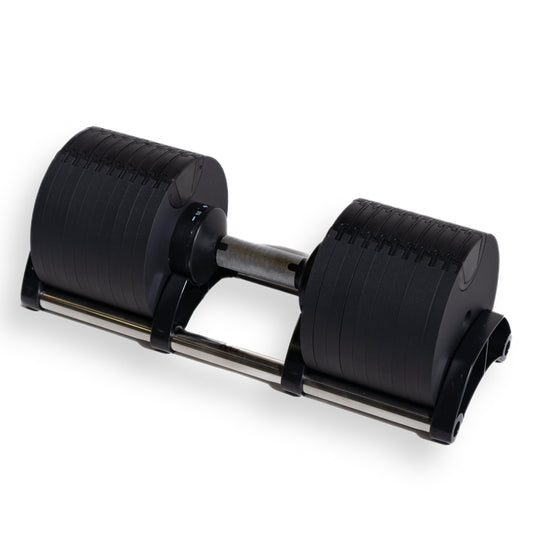
Bonus: Are Adjustable Dumbbells Better Than Fixed Dumbbells?

Do Pumps Help Build Muscle?
Many people agree that pumps look and feel great. Fewer agree whether they actually help with long-term muscle growth.
Pump Training
Some people swear by the pump. They tailor their workouts specifically to maximize their pump. This is called pump training.
Research does suggest that high-volume training supports muscle building. However, it's unclear whether the pump itself contributes to long-term increases in muscle mass and strength, or whether it's just a nice side effect.
Strength Training
On the other hand, research shows that low-volume training can be just as effective for long-term gains, if not more so, than pump training.
Some experts recommend a mix of pump training and strength training with heavier weights. Mixing things up also has the benefit of keeping your workouts interesting and exciting.
How to Boost Your Pump (and Workout Routine)

The best way to maximize your pump is to engage in high-volume training. But as we described, there are ways you can support that pump-up process. Certain supplements may help.
One great option is a pre-workout. Research shows that pre-workouts can support exercise performance and endurance. That's important for hitting the volume necessary for a great pump.
Pre-workouts are commonly divided based on their stimulant content. Some have lots of stimulants to provide maximum energy. Others have no stimulants at all, which is great for people workout out before bed. And the rest are somewhere in between.
Whatever kind you get, look out for a pre-workout with ingredients that enhance blood flow, like L-Citrulline or citrulline malate. Minibeast's pre-workouts contain exactly that.
Game Over is the most extreme, high-stim option for those who want to be bursting with energy. MB Mode is the low-stim option, providing clean energy and crazy pumps without a crash. And MB Pump is the zero-stim option, perfect for people who want a major pump without any stimulants.
As we mentioned, creatine may also help you pump up. Minibeast's MB Creatine Plus+ uses a patented, pH-buffered form of creatine for full effectiveness without bloating or stomach issues.
Conclusion
A pump describes a temporary increase in muscle size that may occur after intense high-volume workouts. Many gymgoers (and even for those who work out at home) love getting a pump, and some believe it helps their training. If you want to support your pump, consider adjusting your training and taking supplements like L-Citrulline and creatine.
Frequently Asked Questions
Is a Gym Pump a Good Thing?
A pump usually means you've engaged your muscles well during training. Many people also think it feels and looks great, too.
How Do I Know If I Got a Pump?
If you get a pump, you'll know. Whatever muscle you're targeting should feel noticeably full, tight, and even swollen. It should appear visibly larger and may feel harder than usual.
How Long Does a Pump Last?
A pump usually begins to fade within half an hour of your workout ending. In most cases, it'll be gone after an hour or two.
Keep Reading: Do Meal Replacement Shakes Work for Weight Loss?
--
Minibeast believes that everyone has the power to evolve into their best self. From state-of-the-art fitness equipment to comprehensive training programs, our brand is built for those who take their goals seriously. Through The Heart of Minibeast, 5% of every order helps feed families in need and support community programs. Get the latest workout tips, product updates, and fitness content by following us on Instagram, Facebook, YouTube, and TikTok.
–
These statements have not been evaluated by the Food and Drug Administration. These products are not intended to diagnose, treat, cure, or prevent any disease. The information provided on this website is for informational purposes only and is not intended as a substitute for professional medical advice, diagnosis, or treatment. Always seek the advice of a qualified healthcare provider with any questions you may have regarding a medical condition or before starting any new diet, exercise program, supplement, or using any fitness equipment or apparel. By using this site and its products, you acknowledge that you do so at your own risk. Use all products only as directed and discontinue use immediately if discomfort or adverse effects occur.