When to Take Pre-Workout for Maximum Performance

Study after study has found that pre-workout can enhance workout performance. But experts find it harder to agree on exactly when you should take this popular supplement.
We break down the science behind pre-workout, cover some of the most important ingredients, and detail the many potential benefits. By the end, you will know when to incorporate it into your workout regimen.
Key Takeaways
- Pre-workout supplements are usually a blend of different ingredients.
- Research shows that taking pre-workout before exercise can support and enhance performance and endurance.
- Some pre-workouts may also enhance mental clarity and focus.
- Experts generally recommend taking pre-workouts no longer than an hour before exercising.
See More: What Are Booty Shorts? Your Go-To Guide
Understanding Pre-Workout
Carriejune, founder of Minibeast, says:
"Pre-workouts are the ultimate workout enhancer. Try to take them between 20 and 60 minutes before a workout for maximum performance."
Have you ever been working out in the gym and felt like you just needed a little boost? It's an all-too-common sensation. For whatever reason, that last rep, the one we really feel like we should get, remains out of reach.
Hey, it happens. Life can be tough, and sometimes our physical performance doesn't match what we think it should.
But what if there was something that could support and even enhance physical performance? That's the idea behind pre-workout supplements.
Pre-workout supplements, also called "pre-workout", are supplements designed to support exercise performance. They usually contain a blend of ingredients, each with its own potential workout-supporting benefits.
Little wonder, then, that pre-workout is one of the most popular kinds of supplements. Research suggests that between one-quarter and one-third of athletes use pre-workout supplements. In one survey of people who use them, 89% said they do so for increased energy and focus. Other popular reasons were muscular endurance and getting a pump.
As the name suggests, pre-workout is designed to be taken before a workout. Experts generally agree that pre-workout can be taken closer to exercise than, say, a whole meal.
The perfect time to take pre-workout may vary from person to person, depending on factors like personal tolerance. You might have to play around a little with specific timing to figure out your sweet spot.
Still, we can look to research and anecdotal experience to try to identify a window to aim for. To do that, we need to explore exactly how pre-workout works.
Bonus: What Cardio Machine Burns the Most Calories?

Key Pre-Workout Ingredients
As we mentioned, most pre-workout supplements are a blend of ingredients. They're technically called "mixed-ingredient pre-workout supplements," or MIPS.
Not every blend is made equal. For example, some might be packed sugar, synthetic fillers, or artificial ingredients. Other common pre-workout ingredients are helpful for some people but unhelpful for others.
Here are a few key ingredients to look out for.
Stimulants
Pre-workouts are designed to enhance workout performance. As such, they need to deliver some kind of energy boost. That often comes from stimulants.
One common stimulant used in pre-workout is caffeine. It's a great option. In one study, participants who took a pre-workout with caffeine demonstrated improvements in peak and mean power values during an anaerobic workout, compared to participants given a placebo.
However, if you're limiting your caffeine intake, you might not want a pre-workout packed with it. Fortunately, there are pre-workouts with lower concentrations of stimulants. These are called low-stim pre-workouts.
What if you don't want any caffeine at all? Plenty of people exercise before bed, and taking stimulants that late can disrupt sleep. Some pre-workouts are made with no stimulants at all. These are called no-stim pre-workouts.
Amino Acids
Amino acids are crucial for supporting intense workouts. Your body uses them for muscle growth. One 2025 review of multiple studies noted that amino acids are associated with higher levels of muscle synthesis.
There are a few kinds of amino acids. We need to get some from our diet. These are called essential amino acids.
"Our body breaks down protein," explains Minibeast founder Carriejune, "and all that's left are these amino acids, which are used to grow muscle, repair, and do a ton of other functions.… Your body can't produce some of these aminos on its own. That's why you need to get it from another source."
Three of these essential amino acids are called branched-chain amino acids. They are believed to have many potential benefits for supporting high-intensity exercise.
For example, one 2025 study found that BCAA supplementation reduced muscle breakdown. Another study from the same year concluded that taking BCAAs helped lower muscle soreness.
Beta-Alanine
Some amino acids are considered non-essential. That means our bodies can create them. One example is beta-alanine.
Beta-alanine is important because it helps increase the concentration of a compound called carnosine in muscles. In turn, carnosine is believed to support muscle performance and endurance.
Research has shown that beta-alanine supplementation may enhance exercise performance. For example, one 2024 study found that four weeks of beta-alanine supplementation resulted in improvements in participants' jumping power and height.
Creatine
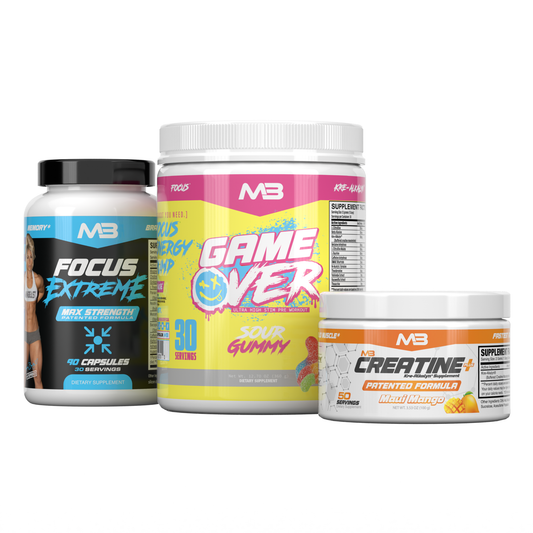
Creatine, or creatine monohydrate, is one of the most popular workout supplements available. It's essentially an energy source for your muscles, which helps them perform during intense exercise.
Research has shown that creatine can enhance workouts in multiple ways. It's believed to help with exercise performance, including strength training. Studies have associated creatine supplementation (plus resistance training) with increases in muscle mass, strength, and power.

Potential Benefits of Pre-Workout
We've covered some potential benefits of specific pre-workout ingredients. But what about the potential benefits provided when these ingredients (and others) are combined into a pre-workout formula?
As you might imagine, the potential benefits of specific ingredients we discussed are often also associated with pre-workout as a whole.
Build Muscle
One of the most common reasons people take pre-workout is to help them complete workouts with the goal of building muscle. As we mentioned, studies suggest that common ingredients in pre-workout may help improve workout performance. Better performance in the gym could, in turn, lead to faster progression.
One study looked at a pre-workout formula containing BCAAs, creatine, and beta-alanine. Participants took it 30 minutes before exercise. Researchers concluded that the pre-workout supported muscle growth and strength.
Energy Boost
One of the ways pre-workout is thought to enhance performance is by boosting energy. That boost often comes from the included stimulant, such as caffeine.
For example, one study of a pre-workout containing caffeine found that it enhanced peak and average muscle power.
Another way pre-workout is believed to enhance performance is by enhancing endurance. One study looked at a pre-workout containing caffeine, BCAAs, creatine, and beta-alanine. Researchers concluded that it delayed muscle fatigue and enhanced endurance.
Mental Focus
The researchers in that last study made another interesting observation. Participants given the pre-workout also reported improvements in alertness.
As we mentioned, enhanced focus and mental clarity are among the most common reasons given for taking pre-workout supplements. Research suggests caffeine can enhance focus. For example, one scientific review noted that taking caffeine before or during exercise can enhance cognitive function.
However, it's not just caffeine that can do this. Another study compared caffeine to a zero-stim pre-workout supplement. The zero-stim formula contained other ingredients, like L-theanine, which are believed to also support focus. Researchers found that this zero-stim formula improved alertness and focus by over 50% more than caffeine.
Muscle Recovery
Recovery is crucial for improving athletic performance. It's when your body repairs and restores the damage done during a training session. Ideally, the recovery process should leave you ever so slightly stronger than before. It's that gradual process of breakdown and rebuilding that leads to progression.
Pre-workout might be aimed at supporting workouts, but research suggests it may help with recovery, too.
For example, studies show that BCAAs can reduce muscle soreness.
When to Take Pre-Workout
It's clear that pre-workout supplements offer plenty of potential benefits for exercise. They can be useful for all kinds of athletes, from endurance athletes to gym rats. But when exactly should you take them?
As you might know, experts generally recommend avoiding eating food too close to a workout. Suggestions range from four hours before to an hour before.
The idea is to strike the right balance between having enough fuel to maximize performance without feeling overly full, sluggish, or bloated.
That balance might look different for different people. Some individuals might need a large meal relatively soon before a workout, or else they'll feel too hungry. Others might feel better when they eat a light meal and leave a few hours between eating and exercising.
The same is true for pre-workouts. You might have noticed that one of the studies we referenced gave participants pre-workout 30 minutes before exercise. That's a common recommendation, but it's far from the only option.
For example, the International Society of Sports Nutrition recommends taking a caffeine supplement 60 minutes before exercise. One study from 2020 gave participants a pre-workout 35 minutes before exercise. Some experts recommend taking pre-workout 20 minutes before exercise.
Ultimately, the precise timing is up to you. But the general range provided by experts is between 20 and 60 minutes before exercise.

Where to Get High-Quality Pre-Workout Supplements
Remember, when choosing a pre-workout, look out for evidence-backed ingredients like those mentioned above. Also, remember that you have three options: high-stim, low-stim, and zero-stim. Choose whichever feels best for you.
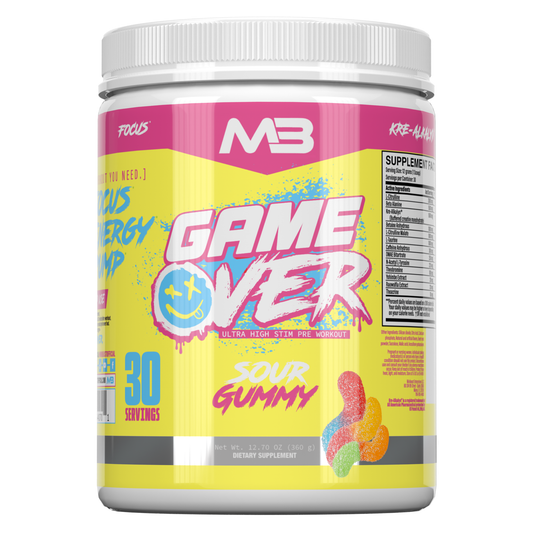
If you want maximum energy, chances are you'll like Minibeast's Game Over. It's a max-strength preworkout packed with a clinically dosed high-stimulant blend. It hits hard and doesn't let up, helping you push through to the final rep.
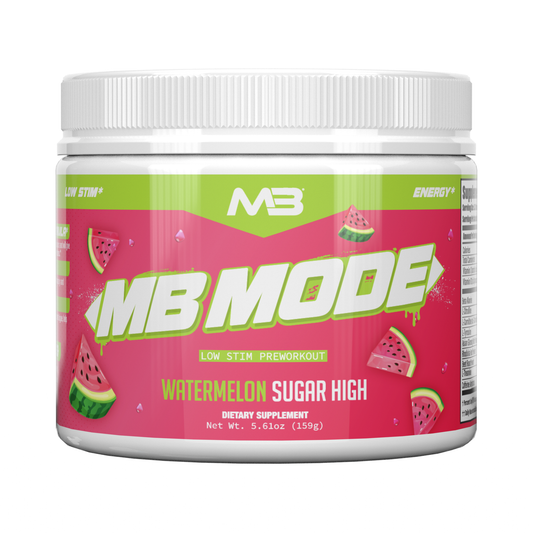
Of course, not everyone needs so many stimulants. For a low-stim option, check out Minibeast's MB Mode. There's enough caffeine to provide a steady lift, plus L-Theanine to help keep you sharp. Beta-alanine helps delay fatigue, and citrulline malate enhances blood flow.
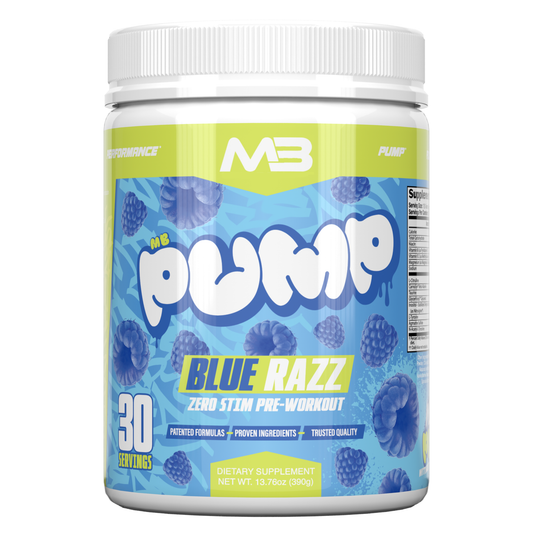
For those staying away from caffeine and/or working out before bed, MB Pump is the pre-workout for you. It delivers an insane pump and laser focus without any stimulants. The secret lies with a blend of potent ingredients like L-Citrulline malate, taurine, betaine, and niacin.
Conclusion
Pre-workout supplements are a great way to support and enhance your workout performance, like fat-burning creams or supportive waist trainers. They're widely used by athletes and casual exercisers alike to help them smash their fitness goals. Look out for high-quality blends containing research-backed ingredients and make sure to choose an option with the right level of stimulants for your fitness routine.
Frequently Asked Questions
When Should I Take Pre-Workout for Best Results?
Experts generally recommend taking pre-workout between 20 and 60 minutes before exercise.
What Is the 2-2-2 Rule in the Gym?
The 2-2-2 rule is a simple workout routine. It involves two full-body workouts per week. Each exercise is a compound movement and involves two working sets, performed until you are two reps away from failure.
What Is the 3-3-3 Rule in the Gym?
The 3-3-3 rule is a general framework to help people stay fit. It involves doing three 30-minute workouts per week for 3 months.
Keep Reading: What Is a Meal Plan And Why Does It Matter?
--
Minibeast believes that everyone has the power to evolve into their best self. From state-of-the-art fitness equipment to comprehensive training programs, our brand is built for those who take their goals seriously. Through The Heart of Minibeast, 5% of every order helps feed families in need and support community programs. Get the latest workout tips, product updates, and fitness content by following us on Instagram, Facebook, YouTube, and TikTok.
–
These statements have not been evaluated by the Food and Drug Administration. These products are not intended to diagnose, treat, cure, or prevent any disease. The information provided on this website is for informational purposes only and is not intended as a substitute for professional medical advice, diagnosis, or treatment. Always seek the advice of a qualified healthcare provider with any questions you may have regarding a medical condition or before starting any new diet, exercise program, supplement, or using any fitness equipment or apparel. By using this site and its products, you acknowledge that you do so at your own risk. Use all products only as directed and discontinue use immediately if discomfort or adverse effects occur.