What Is a Meal Plan And Why Does It Matter?

Without proper nutrition, no amount of effort at the gym will deliver the results you want. And a meal plan is the secret to maintaining proper nutrition.
Luckily, it doesn't have to be hard! We break down the benefits of meal planning, offer some top tips for creating a plan, and point you to some professional resources to help you get started.
Key Takeaways
- A meal plan is a guide that outlines what you eat over a set period of time.
- Meal planning can save time, money, food, and mental effort.
- They can also help you stick to or meet nutrition goals, such as protein intake.
- You can create a meal plan yourself or have a professional craft one for you.
See More: What Is a "Gym Pump", And Do They Help Muscle Growth?
All About Meal Plans
Carriejune, founder of Minibeast, says:
"A meal plan is an eating schedule designed to help you meet your nutrition goals and achieve your fitness results. I've used meal planning for years to help fuel my workouts and stay on track."
When you think about working out, what comes to mind? Straining for that final rep? Admiring a great pump in the mirror?
Exercise is crucial, no doubt. It's vital for overall health. But it's actually not the most important factor when it comes to actually seeing results.
That might sound strange. But it's true. It's why so many people commit to the gym, put in the work, but give up after seeing little or no results.
In fact, research suggests that almost three-quarters of people quit their workout routine within half a year of starting.
The secret lies with food. We all know how important the gym is for building muscle. But the kitchen is just as, if not more important, for getting the results you want.
Eating is how your body gets the macros and nutrients it needs to exercise and recover. It plays a major role in determining your weight, energy, and more.
Fortunately, healthy eating doesn't have to be hard. A meal plan can help turn a time-consuming, expensive, complicated process into the simple support your body needs to achieve your fitness goals.
At its core, a meal plan is a schedule of what you'll eat. You map out your breakfast, lunch, and dinner — plus snacks — for the week ahead. Some people simply plan their grocery shopping, while others prepare meals for the week.
"With my busy schedule, meal pre is my go-to," says Minibeast founder Carriejune. "I meal prep a different recipe once or twice a week, usually in the Minibeast 12-quart Crockpot, as it fits the most. I'll eat that for most of my meals."
The Importance of Planning Meals
Think of it like this. How many times have you stood in front of the fridge, wondering what you're going to make for yourself? How often have you decided on a meal, only to realize you're missing the one ingredient that ties it all together?
Would you just wander into the gym and do whatever exercises you felt like in the moment?
Probably not. You likely know the importance of a workout regimen, of hitting specific muscle groups at set times to maximize performance and results. The same can be true for eating.
Meal plans are how you get there. They help you bring intentionality to your eating, just as you do to your training.
"Nutrition is everything," notes Minibeast founder Carriejune in conversation with Muscle and Fitness Hers Magazine. "Diet is nearly 70% of our results."
Nutrition is important regardless of your specific goals. When you train, your body breaks down. Food is the fuel that helps it rebuild stronger than before.
No matter how disciplined you are, if you don't take a deliberate approach to eating, you'll almost certainly fall short of your potential. It's just too easy to mess up your macros or sneak in an unintended snack.
Meal planning helps with all of that. When you plan your meals, you can ensure they meet your specific goals. You're then freed from the daily friction of figuring out what to eat. All you need to do is eat the meal you planned (or prepared) in advance.
Bonus: What Are Booty Shorts? Your Go-To Guide

Potential Benefits of Meal Planning
We've emphasized the benefits, or even the necessity, of meal planning. But what are the specific upsides?
Stick to Your Dietary Goals
One of the most important benefits of meal planning is how it helps you stick to your eating goals. That's true whether you are trying to lose, gain, or maintain weight.
After all, nobody has infinite motivation. We all get tired, stressed, and hungry. Those can all make it that much harder to stick to our goals.
A meal plan removes these moments of struggle altogether. Instead of having to muster up some willpower after a long, hard day at work, you simply have to follow your meal plan.
This is especially true if you have certain foods you need to avoid or specific nutritional targets you need to hit to optimize your training. For example, building muscle requires a lot of protein, and experts often recommend spreading out protein intake across multiple meals.
When you plan your meals, you'll take all that into account. You won't have to worry in the moment about the protein content of your dinner. It'll be just what you need, according to your prepared schedule.
Save Money
We've all been there. It's been a long day, the fridge is looking scarily empty, and we just can't face coming up with an entire meal. So we eat out or order takeaway.
Home-cooked meals are almost always the cheaper option. They're often healthier, too. We can't necessarily control the ingredients in meals we haven't cooked.
Meal planning helps make cooking easier and cheaper. With meals (or at least the necessary ingredients) ready and waiting, you'll never be forced to eat out.
Once you've figured out what you'll need, you can buy ingredients in bulk to save even more money. Frozen vegetables and frozen chicken are two great examples of healthy ingredients you can buy in bulk ahead of time.
You can then put all the money you've saved toward other things. For example, you could use it to upgrade your home gym. Or you could use it to buy some high-quality supplements like an overnight fat burner to further support and enhance your training.
Save Time
Meal planning doesn't just save money. It saves time, too.
That might sound strange at first. After all, batch cooking a week's worth of meals on Sunday will necessarily take a while. It's a lot of food prep at once.
But compare that to the total time you'd spend cooking every single meal throughout the week. Consider the time (and money) you'd spend deciding what to make, grabbing ingredients, prepping, cooking, cleaning...
Instead of doing all that, you can just grab or make the meal you prepared or planned in advance. As with the money, you can put all that saved time toward something else. Like training!
Reduce Food Waste
When most people discuss meal planning, they often discuss the benefits we mentioned above. One thing people sometimes miss is food waste.
Think about it. When we cook, we often waste food. Without planning, that waste compounds. We make too much, end up with food we don't like, or find the ingredients have gone bad before we even get a chance to cook them.
Food waste is larger than you might think. In fact, the average American family wastes around $1,500 worth every single year.
That's a hit to your wallet. It's also bad for the planet.
With meal planning, you can buy exactly what you need for the week ahead. Instead of throwing away Monday's roast chicken, you turn it into tomorrow's lunch wrap. Ingredients don't sit at the back of the fridge, forgotten and slowly going bad.

Tips for Meal Planning
So, we've established the many benefits of meal planning. But how does it actually work?
If you've never planned meals before, the process can seem intimidating. It can be hard enough to plan what to eat for a single meal, let alone an entire week!
In reality, meal planning can be simple, as long as you know the tricks.
The easiest method is getting a custom meal plan from a professional nutritionist. We'll discuss that later. First, some general tips you can use at home.
Batch Cook
Batch cooking is the foundation of meal prepping. It involves cooking large portions of staples such as chicken, vegetables, or rice.
Once you've done that, you have the basic components of multiple different meals ready and waiting.
Prep Meals for the Week Ahead
One effective and widely used technique to optimize meal planning is to prep everything ahead of time. Buy what you need, cook it, and divide it into specific portions.
You've effectively made a week's worth of healthy, tailored freezer meals. Stick them in storage and pull them out whenever you need.
Stick to Your Grocery List
You've probably heard that you should never go grocery shopping while hungry. When presented with aisle upon aisle of delicious foods, it's all too easy to grab something you don't really need or even want.
When you meal plan, you can calculate exactly what you need for the week ahead. That lets you write up a detailed grocery list, which you can stick to when shopping to avoid wasted money and food.
One tip is to organize your list by store section. That can help make your shop more efficient.
Shake Things Up
Variety is the spice of life. Sure, some people love eating the same meals time after time. If that's you, fantastic.
For some people, that just doesn't cut it. A major reason people give up on meal planning is monotony. But that doesn't have to be the case.
There are plenty of ways to deliberately build some variety into your meal plan. Theme nights are a great example: Meatless Monday, Taco Tuesday, and so on.
Another way is to use versatile meals. Wraps, for example, can be made in all kinds of ways. You can vary the protein, vegetables, carbs, spices, and other components to keep things interesting.
It might be tempting to completely overhaul your plan on a regular basis. However, that can quickly get overwhelming. Instead, add new meals gradually so as not to get overwhelmed.

Incorporate Meal Replacement Shakes
If you have a particularly high protein target, it can be difficult to get it all from eating alone. And sometimes we simply don't have time to eat a normal meal.
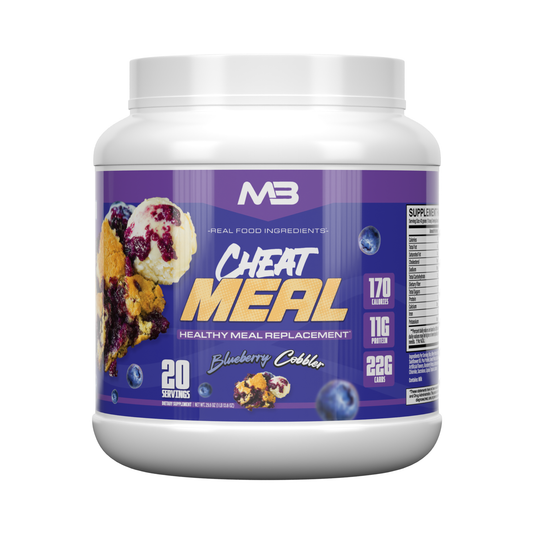
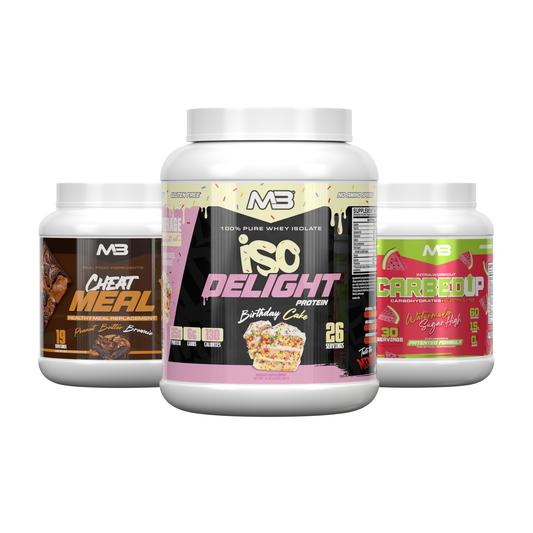
That's where meal replacement shakes come in. A high-quality meal replacement is designed to deliver the macros and nutrients of an entire meal. They're perfect for those hectic moments where even a freezer meal won't cut it.
Where to Get a Custom Meal Plan
Meal planning doesn't have to be complicated, but it does require work. You need to calculate your nutrition goals and make sure your meals are tailored to support your goals.
It's totally possible to do that yourself. Or you could let a trained professional do it for you.
Minibeast's Custom Meal / Diet Plan gives you personal, customized, and goal-specific carbohydrate, protein, and fat targets. After filling out a consultation form, Carriejune, with her nutritionists, will craft your custom program in a few days.
You can get a plan tailored for any fitness goal, whether it's bulking up or cutting down. It takes into account your body composition, activity level, nutritional restrictions, lifestyle, schedule, and more.
Every single thing you eat, from whole meals to snacks, comes with detailed explanations. That helps remove the guesswork and lets you focus on other things.
If you want to explore further, check out Minibeast's Recipe Book. Created by Carriejune and her personal nutritionists, this book shares all of the recipes they've used for years. New recipes are added weekly, are automatically adjusted to your desired serving sizes and macro goals, and there are options for all kinds of dietary restrictions.
Nutrition might be 70% of results, but training is still important. If you feel like you need some guidance there, check out Minibeast's Training Programs. There are more than a dozen, each tailored for different goals. And when you sign up for our 8-Week Workout Challenge, you get a customized meal plan along with your training program, plus other amazing benefits.
Conclusion
Meal planning is a tried and tested way to stick to whatever nutrition goals you might have. It can help save money, time, food, and mental effort.
You can create your own meal plan or grab one designed by a professional.
Frequently Asked Questions
What Does "Meal Plan" Mean?
A meal plan is a set eating schedule, usually lasting a week. The plan covers all meals and snacks to be eaten throughout the schedule, with each part tailored to meet overall nutrition goals.
What Is the 3-3-3 Rule for Food?
The 3-3-3 rule for food is a trick to help simplify grocery shopping and nutrition planning. It involves choosing three sources of protein, three sources of fat, and three sources of carbohydrates.
You then mix and match the different components to make simple, varied meals throughout the week. Fruits and vegetables are counted separately.
How to Start a Meal Plan?
To start a meal plan, first calculate your personal nutrition goals, including total calories and macros. Then come up with meals that, when combined, will help you hit those goals.
An easier way to start a meal plan is to get a professional to create it for you.
Keep Reading: What Cardio Machine Burns the Most Calories?
--
Minibeast believes that everyone has the power to evolve into their best self. From state-of-the-art fitness equipment to comprehensive training programs, our brand is built for those who take their goals seriously. Through The Heart of Minibeast, 5% of every order helps feed families in need and support community programs. Get the latest workout tips, product updates, and fitness content by following us on Instagram, Facebook, YouTube, and TikTok.
–
These statements have not been evaluated by the Food and Drug Administration. These products are not intended to diagnose, treat, cure, or prevent any disease. The information provided on this website is for informational purposes only and is not intended as a substitute for professional medical advice, diagnosis, or treatment. Always seek the advice of a qualified healthcare provider with any questions you may have regarding a medical condition or before starting any new diet, exercise program, supplement, or using any fitness equipment or apparel. By using this site and its products, you acknowledge that you do so at your own risk. Use all products only as directed and discontinue use immediately if discomfort or adverse effects occur.