Should You Have a Protein Shake Before or After a Workout?

If you're confused about when to take your protein shake, we have good news. The timing might not matter as much as you think.
We break down the science behind protein intake to help you figure out when you should take your protein shake to support muscle recovery and growth.
Key Takeaways
- Protein is crucial for muscle recovery, repair, and growth.
- Protein shakes are a great way to hit your daily protein intake goal.
- Some people argue that taking a protein shake after working out enhances recovery and gains.
- Other people argue that taking it before working out enhances exercise performance and recovery.
- Research suggests your overall protein intake is more important than protein timing.
See More: Which Protein Is Best for Developing Your Glutes?
Optimizing Your Protein Intake
Carriejune, founder of Minibeast, says:
"When to take your protein shake is one of the most hotly debated topics in fitness. But hitting your daily protein intake goal is far more important than the specific timing."
Spend any time researching fitness, and you'll likely come across protein shakes. Drinking a protein shake is a great way to hit your protein goal, and getting enough protein is crucial for muscle growth.
But when, exactly, should you drink that protein shake?
The short answer is that the specific timing of your shake matters less than drinking it consistently. And make sure you get one with a high-quality protein source, too.
The long answer is a little more complicated.
Some people swear by drinking their protein shake after a workout. They argue it boosts muscle recovery and growth.
Others drink their shake before they exercise. They argue it provides energy for the workout and supports the recovery process, too.
To help you decide which approach is right for you, we need to break down these arguments further. In order to do that, we first need to explain why protein is so important.

Why Protein Is So Important
Exercise is, of course, crucial for muscle growth. You need to stimulate and challenge your muscles in order to force them to adapt and grow.
However, the actual growth happens during recovery. Your body repairs muscle tissue that sustained tiny tears during exercise, building the muscle back stronger and larger than before.
Protein is absolutely essential for muscle repair and growth. Without it, your body lacks the raw materials it needs to recover. No matter how hard you train, if you don't get enough protein, you likely won't see the results you want.
Muscle Gains
The process of building muscle is called muscle protein synthesis. Your body uses amino acids to repair and build new muscle mass. Consuming protein provides your body with these essential amino acids.
Protein can also help prevent muscle breakdown. That can happen during intense training, especially if you're in a calorie deficit.
In short, protein is vital. Your protein intake can support muscle recovery and enhance muscle growth.
Daily Protein Goals
Protein intake might be essential. But how much protein is enough?
The International Society of Sports Nutrition recommends that most people aim for 1.4 - 2 grams of protein per kilogram of body weight per day. That's about 0.6 - 0.9 grams per pound of body weight per day.
Bonus: What Is the Difference Between Leggings and Yoga Pants?
Potential Benefits of Post-Workout Protein Shakes
Plenty of people swear by taking their protein shake after they work out. They often aim to take their post-workout protein shake between 30-60 minutes after finishing a workout, and aim to get 20 - 40 g of protein.
One of the main arguments for doing this is to reduce delayed-onset muscle soreness. That's the discomfort and stiffness you might feel the day after an intense workout.
Now, protein is crucial for muscle recovery. If drinking a protein shake after you work out makes you feel better, it might be worth doing. But the research on whether taking that shake right after working out objectively reduces muscle soreness is mixed.
Proponents of post-workout protein shakes also argue that it supports muscle recovery. After all, recovery begins as soon as exercise ends.
Anabolic Window
Some people take this argument a step further. They claim you need to consume protein right after finishing your workout, or you might lose out on gains.
The period of time following a workout in which you are supposed to consume protein is called the anabolic window. Many people believe it lasts for 30-60 minutes.
However, some research suggests the anabolic window can last longer than 30 minutes, up to several hours. And, as we'll discuss later, hitting your overall protein goals consistently is generally more important than taking it at specific times.
Muscle Recovery
When you pair your post-workout protein shake with some carbs, you help replenish glycogen stores in your muscles. That's important for recovery and preventing muscle breakdown.

Potential Benefits of Pre-Workout Protein Shakes
Other people insist that protein shakes are best taken before a workout.
They argue that consuming protein before exercise can help begin the recovery process sooner. In turn, they argue this can help reduce muscle breakdown and muscle soreness.
You don't want to drink your shake too close to your actual workout, though. Aim to drink it 30 to 120 minutes before to give your body time to digest everything.
Energy Levels
Proponents of pre-workout protein shakes also argue it helps maintain energy levels during exercise. That's particularly useful if you're planning a long, demanding workout.
A liquid protein shake generally digests faster than a solid meal, making a shake a handy way to get your protein in before working out. Look for a high-quality whey protein isolate, as many people find it easier on the stomach than generic whey concentrate.
Pre-Workout Nutrition
Protein is one potential component of pre-workout nutrition, but it's not the only one. Make sure to mix your protein powder with 8 to 12 ounces of water to help support hydration.
It's often worth pairing protein with some carbs, which can help provide your body with the fuel it needs for exercise. Try to avoid heavy fats or excessive fiber, as they can cause digestive issues during training. And that's the last thing you want while tackling a one-rep max.
Consistency Is Key
Ultimately, research suggests that hitting your protein intake goals is more important than the specific timing of your protein shakes. If you find taking a shake before you hit the gym helps your exercise performance, go for it. And if you feel like taking it after boosts your gains and helps your recovery, go for that.
The key is consistently hitting your protein goals. And consistently hitting the gym, of course.
Where to Get High-Quality Protein Supplements

We've discussed the importance of protein at length. The quality of protein you eat also matters.
Ideally, you want a protein powder that is pure, without additives, impurities, or excess fat that might undermine your nutrition goals. You also want one with superior bioavailability and digestibility for performance and recovery.
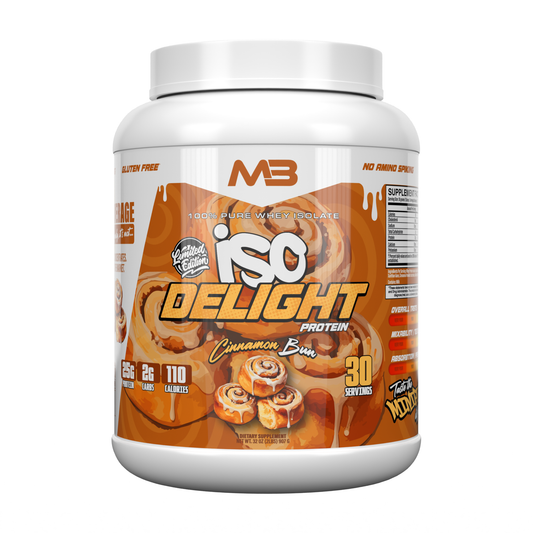
Minibeast's IsoDelight is designed with exactly that in mind. It's made using advanced crossflow microfiltration technology to isolate pure protein fractions and remove excess lactose, fat, and impurities. The result is 90%+ protein per scoop, without any fillers or unnecessary additives, which is great for the muscles and easy on the gut.
Conclusion
Protein is crucial for muscle recovery and growth, and protein shakes are a great way to hit your protein intake goals. Some people prefer to take their shake after working out, while others prefer taking it before working out. Both timings have potential advantages. Ultimately, the most important thing is consistently hitting your protein goals.
Frequently Asked Questions
Can I Drink a Protein Shake 30 Minutes Before a Workout?
Yes. Plenty of people drink their protein shake 30 minutes before they work out. However, if you drink it too fast, use a low-quality protein powder, or have a particularly sensitive stomach, you might experience digestive issues during your workout.
Is It Better to Drink Protein Before or After a Workout?
Research suggests that hitting your daily protein intake goals is more important than the specific timing of when you take that protein.
What Is the 2-Hour Protein Rule?
The 2-hour protein rule is a guideline for muscle repair and growth. People argue that you should consume protein within two hours of finishing a workout.
Keep Reading: What Exactly Are Dumbbells Made Of?
--
Minibeast believes that everyone has the power to evolve into their best self. From state-of-the-art fitness equipment to trendy apparel, our brand is built for those who take their goals seriously. Through The Heart of Minibeast, 5% of every order helps feed families in need and support community programs. Get the latest workout tips, product updates, and fitness content by following us on Instagram, Facebook, YouTube, and TikTok.
–
These statements have not been evaluated by the Food and Drug Administration. These products are not intended to diagnose, treat, cure, or prevent any disease. The information provided on this website is for informational purposes only and is not intended as a substitute for professional medical advice, diagnosis, or treatment. Always seek the advice of a qualified healthcare provider with any questions you may have regarding a medical condition or before starting any new diet, exercise program, supplement, or using any fitness equipment or apparel. By using this site and its products, you acknowledge that you do so at your own risk. Use all products only as directed and discontinue use immediately if discomfort or adverse effects occur.