Which Protein Is Best for Developing Your Glutes?

Your protein intake can make the difference between building the booty of your dreams and falling flat. We break down the science of glute growth and point you toward some great protein sources to help you make those dreams come true.
Key Takeaways
- Your body needs protein to build muscles, including your glutes, or booty.
- Experts often recommend aiming for 0.6- 1 g of protein per pound of body weight per day.
- Protein powder is a great way to hit that daily protein goal.
- Whole foods like yogurt and nut butters are also good options.
See More: How to Become a Fitness Model
How Protein Helps Glute Growth
Carriejune, founder of Minibeast, says:
"Protein is essential for building a booty. Many people consider whey isolate protein powder to be the best choice for hitting your protein goals."
If you've ever looked into muscle growth or working out, you've probably heard about the importance of protein. Protein is crucial for muscle building, and your glute muscles, or booty, are no exception.
In short, you need protein to build muscle. But if you randomly start eating more protein, you probably won't see the results you want. Things are a little more complicated than that.
There are a few crucial things to consider, and we'll cover them all. There's the exercise routine you do alongside your protein intake. How much protein you need every day. And what types of protein are best.
By understanding these crucial things, you'll be well set to smash your booty-building goals.

The Basics of Growing Glutes
Before we cover some good sources of protein, we need to break down the basics of glute growth.
Exercise Muscle Groups
The first thing to consider is resistance training. Protein might be important, but it's only one part of the booty-building process.
After all, your booty won't just grow on its own. It needs a reason. That reason is training.
During strength training, your muscles are put through a challenge. In order to adapt to that challenge, they grow stronger and larger. Repeat that process for long enough, increasing the challenge as you progress, and you should see visible glute growth.
Now, not every exercise is equal. An exercise routine to grow glutes must involve exercises that target the glutes.
Hip thrusts are a classic glute-growing exercise. They enable proper gluteus maximus activation through a wide range of motion. Glute bridges are another great targeted exercise.
Compound exercises, like squats and deadlifts, are also staple lower-body exercises that can target the glutes. They also hit other muscle groups, like your quads and core.
Many booty-building programs aim for 2-4 sessions every week. As you progress, remember to increase the challenge, which is usually done by increasing the weight you use. That's called progressive overload, and it's crucial for muscle growth.
Consistent training is also key. Results take time.
Nutrition for Muscle Growth
Consistency is also crucial when it comes to nutrition. And nutrition is more important than you might think.
As Minibeast founder Carriejune says, "Diet is nearly 70% of our results."
One important aspect of your nutrition plan is calories. When you consume more calories than your body burns, that's a calorie surplus. A calorie surplus is often recommended for muscle growth, because building muscle requires energy.
It is possible to build muscle in a calorie deficit, especially if you're a beginner or are returning to exercise. The process is called body recomposition.
Now, you don't want to eat randomly. What you eat is just as important as how much you eat. Ideally, you'll follow a balanced diet filled with nutrient-dense foods, healthy fats, and complex carbs to fuel your workouts and muscle growth.
Oh, and protein, of course.
Bonus: What Are 7/8 Leggings? Should I Wear Them?

Protein to Build Muscle
As we mentioned, your muscles grow by adapting to a challenge. During a hard workout, your muscle tissue develops tiny micro-tears. Your body repairs those tears during the muscle recovery process, building the muscle back ever so slightly larger and stronger than before.
The process of building protein is called muscle protein synthesis. Amino acids are the building blocks of muscle repair. There are different kinds of amino acids, including essential amino acids and branched-chain amino acids. Each has its own specific potential benefits, but all are important for muscle growth and overall wellness.
"Proteins are made of amino acids," explains Minibeast founder Carriejune. "21 amino acids, actually. Your body can’t produce some of these amino acids on its own. That’s why you need to get it from another source."
Certain foods can be great sources of amino acids. An amino acid supplement can also be a fantastic way to supply your body with the amino acids it needs to build muscle.
It's worth stressing that this process of muscle growth happens during recovery. In order to experience muscle growth, you therefore need to prioritize rest and recovery. That means taking rest days, engaging in active recovery, and trying to get enough quality sleep.
Daily Protein Goals
So, it's clear you need protein to build muscle. But how much protein, exactly?
That depends on your goal. For glute growth, recommendations usually range between 0.6- 1 g of protein per pound of body weight. (That's 1.4- 2.2 g of protein per kilogram of body weight.)
You don't want to eat all that protein at once. Try to spread your protein intake across 4-5 meals throughout the day. Your body uses that protein more efficiently when it's distributed like that, and it'll likely be more pleasant for you, too.
Some people recommend consuming protein 30-60 minutes after working out. They argue this post-workout period is when your muscles are most primed to use the protein for recovery and growth. The most important thing, though, is hitting your daily goal.

Good Protein Sources for a Bigger Butt
Getting enough protein can be easier than you might think. Plenty of foods are great sources of protein.
Protein Powder
One of the easiest ways to hit your protein goals is with protein powder.
Many quality protein powders use whey protein. They contain 80-90% protein, with little fat.
If you want a budget option, consider whey concentrate. But if you care about getting leaner, faster-absorbing protein, consider whey isolate.
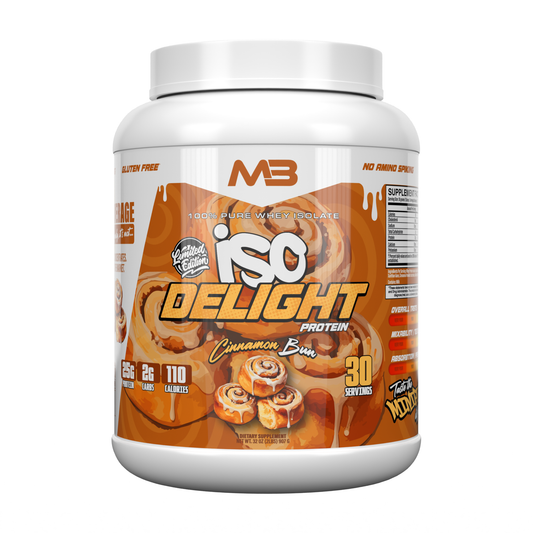
Minibeast's IsoDelight uses advanced cross-flow microfiltration technology to isolate 90%+ pure protein and extract impurities, including excess lactose and fat. The result? 25 grams of fast-absorbing protein per serving with virtually zero carbs, sugar, or fat.
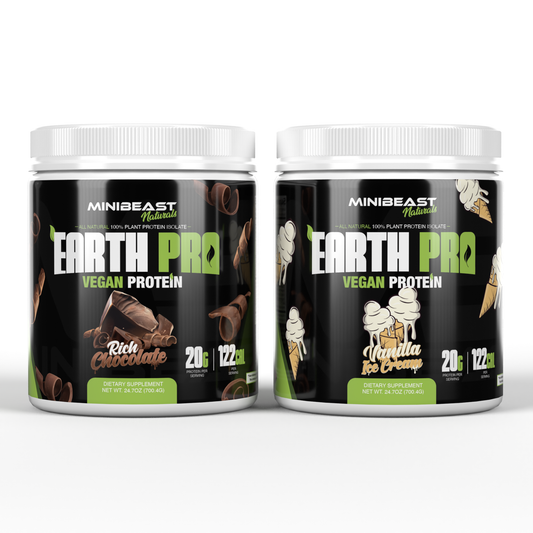
If you're vegan, don't worry. Plant-based protein powders, like those made from soy protein, can also be a fantastic option for muscle building, especially when consumed in higher amounts.
Greek Yogurt
Greek yogurt is a great, versatile protein source. It typically provides about 24 grams of protein in a 245-gram serving, making it an efficient whole food for building lean muscle mass.
Milk
A cup of milk typically contains about 8 grams of protein. That protein is considered "complete," which means it contains all of the essential amino acids your body can't make on its own.
Brown Rice
You might think of brown rice as a source of complex carbs. And it is. Those carbs are exactly what your body needs to fuel itself during intense workouts.
Brown rice is also a great way to boost your protein intake. A cup of cooked brown rice typically contains 5 grams of protein. That's more than white rice, which has less fiber than brown rice, too.
Peanut Butter
Peanut butter, and other nut butters like almond butter, are a fantastic source of healthy fats. They also offer a solid protein boost and are a great way to hit your calorie goal, too.
Conclusion
Protein is necessary to build your booty, though it needs to be paired with resistance training for proper results. Make sure to get plenty of protein as part of a balanced, healthy diet.
Frequently Asked Questions
What Helps Your Bum Get Bigger?
To build your bum, you need to train your glute muscles with resistance training exercises like hip thrusts and squats. You also need to eat enough protein, and calories in general, to support muscle repair and growth.
Will My Glutes Grow If I Don't Eat Protein?
No. Protein is necessary for muscle growth. Your body needs it to repair and grow muscles, including your glutes.
Will Doing 20 Squats a Day Make My Bum Bigger?
Potentially, but 20 squats alone might not be enough to see significant results, especially if they are done without any added weight. Your glute muscles are among the largest in your body, so they need more of a challenge in order to grow.
Keep Reading: Creatine and Pre-Workout: Can You Take Them Together?
--
Minibeast believes that everyone has the power to evolve into their best self. From state-of-the-art fitness equipment to comprehensive training programs, our brand is built for those who take their goals seriously. Through The Heart of Minibeast, 5% of every order helps feed families in need and support community programs. Get the latest workout tips, product updates, and fitness content by following us on Instagram, Facebook, YouTube, and TikTok.
–
These statements have not been evaluated by the Food and Drug Administration. These products are not intended to diagnose, treat, cure, or prevent any disease. The information provided on this website is for informational purposes only and is not intended as a substitute for professional medical advice, diagnosis, or treatment. Always seek the advice of a qualified healthcare provider with any questions you may have regarding a medical condition or before starting any new diet, exercise program, supplement, or using any fitness equipment or apparel. By using this site and its products, you acknowledge that you do so at your own risk. Use all products only as directed and discontinue use immediately if discomfort or adverse effects occur.