Can You Repeat the Same Workout Twice a Week? (Yes!)

Ever gotten to the gym and wished you could just do the same workout as last time? Well, you can. In fact, there are some powerful potential benefits to doing so.
We break down why repeating the same workout can be helpful, how to do it the right way, and where to get more help with building a workout routine.
Key Takeaways
- Many people find it beneficial to repeat the same workout twice per week.
- Two weekly workouts should leave plenty of time for your muscles to recover.
- If you want to work out more frequently, you need to structure your workouts to ensure adequate recovery.
- A professionally designed workout program can help you structure your fitness routine in a way that supports your progress.
See More: This Is the Right Way to Breathe While Working Out
Can You Do the Same Exercises Multiple Times a Week?
Carriejune, founder of Minibeast, says:
"Repeating the same workout twice a week can be a great way to reduce decision fatigue, keep yourself consistent, track progressive overload, and smash your fitness goals."
Building a solid workout routine can sometimes feel overwhelming. There are so many variables to consider. If only you could simplify things.
The good news is, you can. For most people, repeating the same workout twice a week is fine. In fact, it can be a great strategy to build muscle, burn fat, and enhance overall health and wellness.
Repetition has some advantages. For one thing, it removes decision fatigue, which can be helpful if you don't have the time to come up with unique workouts every time you hit the gym. (A professionally designed workout program can also help with that.)
However, there are potential downsides. Too much repetition can cause boredom, lead to plateaus, and potentially increase the risk of overuse.
If you want to hit the same muscles twice a week, you need to go about it the right way. That means understanding and properly managing your workout intensity, rest periods, and recovery time.
We'll break all of that down to help you ensure your workout routine helps you smash your fitness goals rather than undermining your progress.

What Is a Good Strength Training Frequency?
How often you train depends on many factors. One of those factors is the kind of training you do.
For muscle growth, experts and institutions generally recommend aiming for two or three workouts per week. The American College of Sports Medicine, for example, recommends training your major muscle groups with resistance training at least twice a week.
Beginners may benefit from fewer workouts, as that gives you more time to recover and adapt. More experienced lifters may add more workouts to their routine as desired.
How Much Time Do Muscle Groups Need for Rest and Active Recovery?
Your workout might be essential for muscle growth. But it's not when that growth actually happens. That's what your recovery time is for.
It's during recovery that your body repairs and builds muscle. Muscle groups typically need 48 - 72 hours of rest between high-intensity workouts.
Without adequate rest and recovery, your body simply won't be able to produce the progress you want to see. Skipping recovery can cause muscle fatigue, undermine performance, and raise the risk of injury.
As you can see, doing the same workout twice a week fits quite nicely with the rest period muscles generally require. For instance, you might do your first workout on Monday, and the second workout on Thursday. That leaves plenty of time between each session for your muscles to recover from the stress of intense activity.
One way to measure the intensity of your workouts is the RPE scale. It stands for rate of perceived exertion. 0 means rest and 10 means maximum effort.
The RPE scale is a helpful way to manage your intensity and recovery. If you feel like your intensity is always really high, and you aren't recovering well, it might be time to dial things back.
You don't have to spend your rest days lying around on the couch, either. Experts often recommend engaging in active recovery. That means gentle physical activity, like walking, yoga, stretching, and mobility work, and so on.
How Can I Support My Recovery?
Giving your body a break is just one part of recovery. There are plenty of other things you can do to support the repair and recovery process.
Sleep is absolutely essential for tissue repair. Getting enough quality sleep is key for muscle growth and overall wellness.
Hydration is also important. Your body needs water for things like muscle contraction and nerve function.
You've probably heard about the importance of protein. It's what your body uses to repair and build muscle. Many people try to consume protein post-workout, believing it helps enhance muscle protein synthesis, which remains elevated for 24 - 48 hours post-workout. However, getting enough protein across the day and week as a whole is more important.
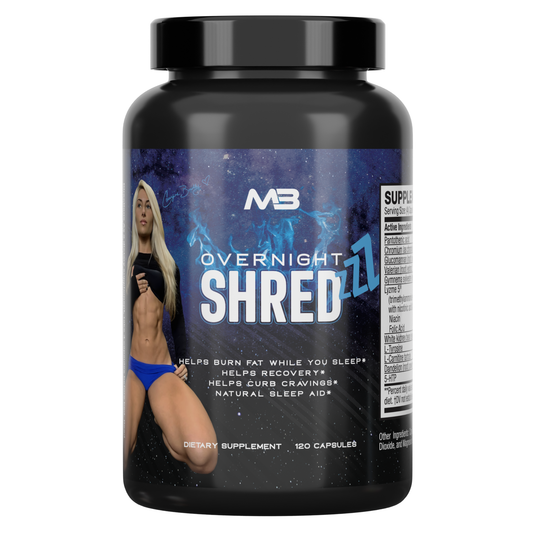
Other supplements can also be helpful. Collagen, for example, supports joint health, which is particularly important if you're going to be training a lot. Creatine is widely used to enhance performance and support recovery. Amino acids are important for many things, including muscle synthesis and repair.
Bonus: Is It Normal to Gain Weight When Strength Training?

What Are the Potential Benefits of Doing the Same Workout Routine Twice a Week?
There are a few potential advantages to doing the same workout twice a week.
Repeating the same exercises can also help you improve your technique. Proper form is important, both to keep you safe and ensure your workouts are efficient. Practicing the same things over and over again naturally helps you improve.
Performing the same routine can also simplify progressive overload. In order to progress, you need to consistently increase the challenge you provide your muscles.
When you stick to the same exercises, it becomes easy to track your progress. All you need to do is compare the weight and reps from one week to the next.
There's also a psychological element to workout frequency.
We already mentioned how workout repetition can reduce decision fatigue. Many people prefer workout plans that don't make them think too much. Instead of figuring out what exercises you need to do, you can focus on the important thing: actually doing them.
Working out more often can also provide you with an immediate feedback loop, which can help with motivation. Some people find working out more often helps with their mental clarity and focus, too.
As you might imagine, more workouts can mean more progress. If you work your muscles twice a week instead of once, you double the time they spend in an anabolic state. In turn, you'll support and enhance muscle hypertrophy, or muscle growth.
However, increased training frequency isn't necessarily better. Exercise too much, and you risk undermining your progress or even injuring yourself. That's especially true if you don't prioritize adequate rest.
Some people find that one set of exercises per week is about as effective as two, at least for muscle strength.
Can Doing the Same Workout Undermine My Fitness Goals?
There are some potential downsides to doing the same workout twice a week.
Performing the same movements often can cause repetitive strain injuries, especially if your form is bad or you don't give yourself enough time to recover.
Some people find that doing the same workouts all the time leads to a plateau. That may happen if you don't vary anything. Over time, your muscles adapt and may stop responding as much unless you switch something up.
Now, that doesn't mean you have to switch to a whole new workout. You could adjust the rep range of each set, hitting some with lower weights and higher reps or the other way around.
Still, some people find that too much repetition leads to boredom and mental burnout. Finding the motivation and discipline to work out can already be difficult enough. You don't need to add boredom and burnout to the mix.
Doing two similar or identical workouts in a week doesn't mean you can't add a third, unique workout to your week, too. For example, you might do a fun cardio workout between your first session and second session.

What's a Good Workout Program to Build Muscle and Burn Fat?
Ultimately, the key is building a workout routine that works for you. If doing the same workout multiple times per week helps keep you consistent and focused, go for it. Just make sure you're giving yourself enough time to recover and are maintaining progressive overload.
On the other hand, if doing the same workout all the time sounds boring, try mixing things up.
If you'd like some variety but don't have the time, energy, or expertise to build an entire workout routine yourself, consider a professionally designed workout program.
Minibeast's 8-Week Workout Program is a great example. You get access to five full workout programs. If you like one of them, stick with it. If you want variety, switch things up.
You'll also get access to demonstration videos and a 24/7 support group to help you, no matter what exercise you're focusing on. Plus custom calories and macros, gym programs, supplement discounts, and much more.
Hundreds of thousands of people have used this workout challenge to build muscle and lose fat.
Conclusion
You can repeat the same workout twice a week, as long as you give your muscles enough time to recover and maintain progressive overload. Some people find repeating the same workout helps them stay focused and consistent.
Frequently Asked Questions
What Is the 3-3-3 Rule in the Gym?
The 3-3-3 rule is a straightforward fitness framework. It calls for doing three days of strength training, cardio, and rest or active recovery per week. You can do multiple activities on the same day.
What Is the 2-2-2 Rule for Working Out?
The 2-2-2 rule is a simple strength training routine. You do two workouts per week. In each workout, you do two sets for each exercise. In each set, you perform the movement until you're about two reps away from failure.
Is Working Out 5 Days a Week Too Much?
Working out 5 days per week isn't necessarily too much, as long as you structure your workout routine in a way that allows your muscle groups enough time for proper recovery.
Keep Reading: How To Develop Your Upper Glute Shelf
--
Minibeast believes that everyone has the power to evolve into their best self. From fat burning supplements to comprehensive training programs, our brand is built for those who take their goals seriously. Through The Heart of Minibeast, 5% of every order helps feed families in need and support community programs. Get the latest workout tips, product updates, and fitness content by following us on Instagram, Facebook, YouTube, and TikTok.
–
These statements have not been evaluated by the Food and Drug Administration. These products are not intended to diagnose, treat, cure, or prevent any disease. The information provided on this website is for informational purposes only and is not intended as a substitute for professional medical advice, diagnosis, or treatment. Always seek the advice of a qualified healthcare provider with any questions you may have regarding a medical condition or before starting any new diet, exercise program, supplement, or using any fitness equipment or apparel. By using this site and its products, you acknowledge that you do so at your own risk. Use all products only as directed and discontinue use immediately if discomfort or adverse effects occur.