How to Easily Add Electrolytes to Your Water At Home

Want to boost your body's electrolytes but aren't sure about the pre-made sports drinks? One great alternative is to make your own electrolyte water at home.
We break down the science behind electrolytes and point you to the best ways to make your own electrolyte drinks.
Key Takeaways
- Electrolytes are crucial for nerve, heart, brain, and muscle function.
- Examples include sodium, potassium, magnesium, and phosphorus.
- Ideally, you'd get enough electrolytes through a healthy diet.
- Electrolytes can be lost, such as through sweat.
- To support your body's electrolyte balance, you can add an electrolyte mix to your water.
See More: How Do Topical Fat Burning Creams Work?
The Science of Electrolyte Drinks
Carriejune, founder of Minibeast, says:
"Electrolytes are vital, but can be lost during intense workouts. Adding electrolytes to your water with an electrolyte mix is a great way to maintain your electrolyte balance."
If you've ever grabbed a sports drink, you've likely heard about electrolytes.
But these minerals are more important than you might realize. Your body uses them for many vital functions, from sending nerve signals to keeping your heart beating.
A balanced diet should provide enough electrolytes. But if you lose a lot, like through intense sweating, you might need a top-up.
One easy way to enhance your body's electrolyte levels is by adding electrolytes to your water. And one of the best ways to do that is with an electrolyte drink mix.

All About Electrolytes
Electrolytes are minerals that help regulate many important processes in the body. The one thing these minerals share is that they can carry an electrical charge when they are dissolved in water.
The majority of your body is made up of water. In other words, electrolytes are dispersed throughout your body.
It's that electrical charge that makes electrolytes so important. Your body uses it for fluid balance, nerve signaling, and to keep your heart beating.
Some electrolytes, like potassium, calcium, and magnesium, carry a positive charge when dissolved. Others, like phosphorus (or phosphate), carry a negative charge.
There are lots of electrolytes. But the seven main ones your body needs are:
- Sodium
- Potassium
- Calcium
- Magnesium
- Chloride
- Phosphate
- Bicarbonate
Electrolyte Needs
One of the main reasons your body needs electrolytes is for communication.
Electrolytes like sodium, potassium, calcium, and magnesium are all involved in nerve function. They are used to generate the electrical impulse that moves down the nerve.
Muscle function also relies on communication using electrolytes. Every single time one of your muscles contracts, it's because a signal was transmitted using electrolytes. That includes your heart.
Electrolytes are also important for maintaining a proper balance of fluids throughout your body. Your cells need specific amounts of water. Too much and too little can both be harmful.
This process is also how electrolytes help support a healthy blood pressure.
Your body also needs electrolytes to maintain a proper pH. Your body needs to stay at a certain pH to remain healthy, and electrolytes help keep it stable.
In short, your body relies on electrolytes to survive and thrive - and meet your fitness goals! But how much, exactly, does it need?
Well, electrolyte needs vary between individuals. Factors like age, size, climate, and activity levels all influence how many electrolytes one person might require.
It's important to get enough electrolytes. But it's also important not to get too many. For example, the American Heart Association recommends consuming no more than 1,500mg of sodium daily.
Electrolyte Levels

The reason you need to monitor your electrolyte intake is that various things can cause the electrolyte levels in your body to change.
You've probably heard of the most common factor: sweat. If you've ever tasted your sweat, you might've noticed it was salty. That's because it contains sodium and chloride, which together make up sea salt.
Sweat also contains other electrolytes, including potassium and magnesium. But the main thing to watch out for with sweating is sodium loss.
That's why people drink electrolyte drinks. During intense exercise, especially in hot conditions, you'll likely sweat a lot. All that sweat means lost electrolytes, which need to be replenished.
When you lose certain other bodily fluids, you can also lose electrolytes. Vomiting and diarrhea are two examples. Diarrhea is particularly important to watch out for, because it can quickly drain your body of both fluids and electrolytes to dangerous levels.
The focus is usually on electrolyte loss, because that's the most common electrolyte-related issue people encounter. But it's worth noting that certain conditions can cause specific electrolytes to build up in the body. And, as we mentioned, you can consume too many electrolytes.
Your diet is the main way your body gets the electrolytes it needs. It's important to eat a healthy, balanced diet that provides you with enough of these essential minerals.
Here are some examples of food sources for the seven main electrolytes:
- Sodium: Table salt, soy sauce, cheese
- Potassium: Bananas, avocados, spinach
- Calcium: Dairy products, tofu, kale
- Magnesium: Pumpkin seeds, dark chocolate, brown rice
- Chloride: Seaweed, olives, tomatoes
- Phosphate: Chicken, salmon, eggs, lentils
- Bicarbonate: Spinach, carrots, baking soda (in baked goods)
Drinks can also be a good source of electrolytes. Sports drinks often contain them, though some have lots of added sugar, too. Coconut water is an example of a natural electrolyte drink, as it's rich in sodium, potassium, and magnesium.
Electrolyte Imbalance
Having seen how important electrolytes are, you can likely imagine how an electrolyte imbalance might cause problems.
You might have experienced a mild electrolyte imbalance. Muscle cramps are an infamous example. Imbalances can also contribute to fatigue and poor sleep.
In these cases, a healthy diet and an electrolyte supplement can help restore your body's electrolyte balance.
However, electrolyte imbalances can also have serious effects. Severe imbalances can be medical emergencies.
Bonus: How to Use Your Acupressure Mat
Ways to Add Electrolytes to Water
Importantly, water does not naturally contain electrolytes. Drinking too much of it (without eating or taking electrolyte supplements) can actually lower the concentration of electrolytes in your body.
If you think you need to bolster your electrolyte intake, adding them to your water is a great way to do that. It's a simple and easy way to get the electrolytes your body needs.
Electrolyte Mix

One of the most popular ways to add electrolytes to water is with an electrolyte mix. All you have to do is pour the mix into your water and stir.
Not all mixes are made equal, though. Make sure your mix contains a good amount of key electrolytes, like sodium, chloride, and magnesium. Experts generally recommend avoiding mixes with lots of added sugar.
Some high-quality electrolyte mixes include other important ingredients, too, like vitamins.
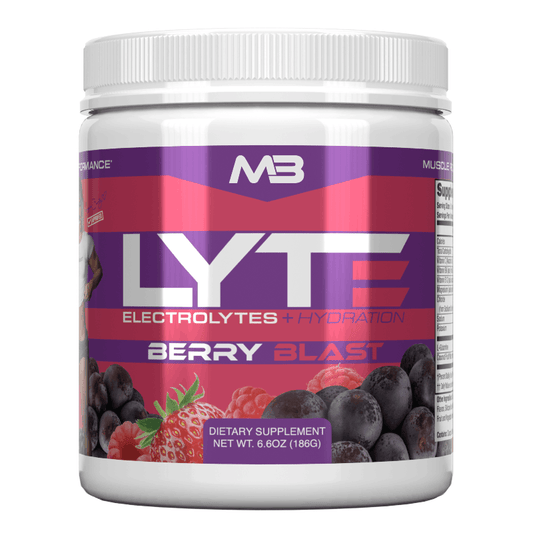
Minibeast's MB Lyte is a great example. It's loaded with sodium, potassium, magnesium, and chloride. They come in part from powdered coconut water.
These vital electrolytes are blended with crucial vitamins like Vitamin C, B6, and B12. Plus L-Glutamine, which supports muscle repair and recovery.
And all that comes without a heap of added sugar. You can restore balance and improve hydration without any junk or sugar crashes.
Electrolyte Tablets
Another popular way to add electrolytes to water is with electrolyte tablets. They're portable, low-mess, and easy to use. All you have to do is drop them in your water bottle.
However, electrolyte tablets often tend to contain lower concentrations of electrolytes than electrolyte mixes.
DIY Electrolyte-Infused Water
You can also make your own, homemade electrolyte water in a pinch.
For example, you could add a little salt for sodium and chloride. Lemon juice would provide potassium. And a dash of honey would bring some sweetness and a little energy.
Stir until everything is dissolved and enjoy. It certainly won't taste like a professionally designed electrolyte mix, but it can still be helpful.
Conclusion
Electrolytes are crucial for all kinds of bodily functions, and it's important to maintain your body's electrolyte balance. Adding electrolytes to water is a great way to do this while also supporting hydration.
Frequently Asked Questions
What Is the Best Thing to Add to Your Water for Electrolytes?
A high-quality electrolyte mix is often the best thing to add to water for electrolytes. Make sure to choose a mix that provides good amounts of key electrolytes while not being packed with added sugars. Some mixes may also include other helpful ingredients, like vitamins.
Is It Safe to Drink Electrolyte Water Daily?
Experts usually don't recommend drinking electrolyte water every day. If you're eating a healthy, balanced diet, you should get enough electrolytes. But if you're often losing electrolytes through sweat, you might benefit from electrolyte water.
What Are the Signs of Low Electrolytes?
Symptoms of low electrolytes include muscle cramps, spasms, and twitching, plus weakness and fatigue. Some people may experience dizziness, nausea, confusion, and headaches.
Keep Reading: Can You Build Muscle and Burn Fat at the Same Time?
--
Minibeast believes that everyone has the power to evolve into their best self. From state-of-the-art fitness equipment to innovative workout apparel, our brand is built for those who take their goals seriously. Through The Heart of Minibeast, 5% of every order helps feed families in need and support community programs. Get the latest workout tips, product updates, and fitness content by following us on Instagram, Facebook, YouTube, and TikTok.
–
These statements have not been evaluated by the Food and Drug Administration. These products are not intended to diagnose, treat, cure, or prevent any disease. The information provided on this website is for informational purposes only and is not intended as a substitute for professional medical advice, diagnosis, or treatment. Always seek the advice of a qualified healthcare provider with any questions you may have regarding a medical condition or before starting any new diet, exercise program, supplement, or using any fitness equipment or apparel. By using this site and its products, you acknowledge that you do so at your own risk. Use all products only as directed and discontinue use immediately if discomfort or adverse effects occur.