Does Sweating Actually Help Burn Calories?

People sometimes claim that sweating is necessary to burn calories. But that's not true.
We break down the science of sweating to help you determine whether it's a necessary part of your exercise routine.
Key Takeaways
- You sweat primarily to regulate body temperature.
- Sweating itself does not burn a significant number of calories.
- Various factors can influence sweating and sweat composition, including your body weight, fitness level, energy expenditure, and environmental conditions.
- Sweating does provide various potential benefits, including supporting your body's natural detoxification processes, and can temporarily cut water weight.
See More: When Is the Best Time to Work Out? Morning or Night?
Sweating, Calorie Burn, and Fat Loss
Carriejune, founder of Minibeast, says:
"Sweating is often associated with calorie burn. While sweating provides many potential benefits, it doesn't burn calories. But the exercise that makes you sweat definitely does."
What does sweat mean to you?
For some people, sweating is something to be avoided. That might be true, say, when you're trying to sleep, or while you're at work.
But for many people, sweating is a satisfying sign that you're crushing some intense exercise and burning calories.
That's an understandable association. When we exercise, our body temperature rises. Sweating is one of the main ways our bodies regulate temperature.
More sweat, then, might mean more energy expended and more calories burned. But it's not the sweating itself that burns calories. It's the exercise that caused it.
Now, that doesn't mean sweating isn't beneficial. And it doesn't mean that sweating can't contribute to weight loss. It can.
But to help you understand the true relationship between sweating, calorie burn, and fat loss, we need to break down exactly what's happening when your sweat glands kick into gear.
Bonus: How Long Does My Workout Really Need to Be?

Understanding How to Lose Weight
Weight loss might seem complicated. It actually all boils down to a fairly simple equation: calories in, calories out.
Put simply, if you consume fewer calories than you burn, you should lose weight. Theoretically, your body should convert fat cells into energy to make up the difference.
Calorie Deficit
That key principle is called a calorie deficit. The opposite is called a calorie surplus. If you consume more calories than you burn, your body converts those extra calories into fat.
Fat tissue is a pretty powerful energy source. For thousands of years, our ancestors relied on their fat stores to survive.
That means fat can contain a lot of calories. To lose a single pound of fat, you generally need to burn 3,500 calories. Remember, that's 3,500 calories more than you consume.
This is why nutrition is so important. It's why so many people say you can't outrun a healthy diet. Or, as Minibeast founder Carriejune says, "Diet is nearly 70% of our results."
Physical Activity
Diet might be crucial, but so is physical activity. Regular exercise is important for staying healthy, of course, but also for burning calories and fat.
Experts usually recommend incorporating two kinds of exercise into a fat loss routine. The first is cardio, or aerobic exercise. The second is resistance training, or strength training.
Cardio exercise is a great way to burn calories. It also helps build up your cardiovascular fitness level.
Resistance training also burns calories, though usually not as efficiently. But it provides other additional benefits.
For one thing, high-intensity exercise can increase calorie burn for hours after your workout ends. It's a phenomenon called excess post-exercise oxygen consumption.
Meanwhile, building muscle can increase your resting metabolic rate, or your body's calorie burn. That's because it generally requires more calories to maintain muscle tissue than it does fat tissue.
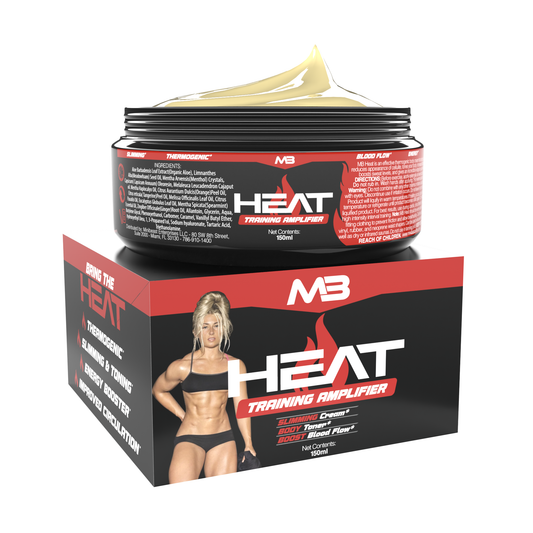
Other things like thermo waist trainers or thermogenic creams can also help up your sweat.

Understanding Sweating
When you exercise, be it aerobic or anaerobic, you might sweat.
During exercise, your body burns more calories. It's expending energy, which raises body heat. As your core temperature rises, your body's natural temperature regulation kicks in.
You don't want your core temperature to go too high. That can be dangerous, even deadly.
Sweating is the main way your body regulates its core temperature. Your brain detects the rise in temperature, and signals your sweat glands to start producing sweat. As that sweat evaporates, it provides a cooling effect.
Still, have you ever noticed how two people could be engaged in the exact same activity yet sweat completely different amounts? Everyone's body reacts differently to heat, and many factors can influence how your body sweats.
Some of those factors are internal. Genetics play a big role in determining your sweat rate. Your body weight also plays a role, which is why larger bodies tend to produce more sweat. Hormonal changes can also influence sweating rates.
Meanwhile, you might expect fit people to sweat less. But fit people often sweat sooner in order to cool down.
The intensity of your physical activity can also influence sweat rates. You've probably experienced this. The higher the intensity, the more you sweat.
Some factors are external, like environmental conditions. Hot and humid conditions generally increase sweat production.
The Potential Benefits of Sweating
Regulating body temperature might be the main benefit of sweating, but it's not the only one.
Research suggests that sweating can help your body's natural detoxification processes. It might even help remove bacteria from the body.
Sweating can also help you lose water weight. That's why certain athletes, like boxers, sweat before weigh-ins.
Calories Burned from Sweating
As you can see, it might be tempting to draw a connection between sweating and calorie burn. But sweating itself doesn't really burn calories. It's the exercise that causes sweating that burns calories.
Excessive Sweating Won't Burn More Calories
To put that another way, sweating more in itself won't increase calorie burn. At least, not to any significant degree.
So if you prefer to work out in an air-conditioned gym, go for it. And if you just hate sweating, don't worry. Moderate exercise, like lifting light weights, still burns calories. Not necessarily as efficiently as intense exercise, but still.
Similarly, exercising in hot conditions to promote sweating won't necessarily enhance calorie burn. Remember, sweating is primarily about temperature regulation.
But that doesn't mean you should give up hot yoga. Sweating still provides plenty of other potential benefits, from cutting water weight to supporting detoxification. Just remember to replenish any lost water and electrolytes, and make sure not to let your body temperature get too hot.

How to Build a Quality Fat Loss Exercise Routine
If your goal is calorie burn and fat loss, you might want to try a workout challenge. A professionally designed workout challenge can give you the guidance, structure, and support you need to build your perfect workout routine and smash your fitness goals.
With Minibeast's 8-Week Workout Challenge, you get access to multiple workout programs, example meal plans, a 24/7 support group, access to a certified athletic trainer, demonstration videos, and much more.
If your goal is to maximize sweat, we've got workouts that'll do that. And if you prefer to stay dry, you can build a routine that fits. Hundreds of thousands of people have used this challenge to tackle their fitness goals.
Conclusion
Sweating has many potential benefits, including temperature regulation, supporting detoxification, and cutting water weight. The exercise that often causes sweating does burn calories. But sweating itself does not burn calories.
Frequently Asked Questions
Do You Burn Fat If You Sweat?
No, sweating itself does not significantly burn calories, nor fat. Your body sweats primarily to regulate temperature, though sweating can cut water weight.
What Burns 500 Calories in 30 Minutes?
To burn that many calories in 30 minutes, you'll likely need to do high-intensity physical activity that targets multiple muscle groups, like HIIT.
What Is the Laziest Way to Burn Calories?
One lazy method is to enhance your non-exercise activity thermogenesis. Basically, this means moving around more, like fidgeting, standing at your desk, or walking around while on the phone. Another lazy method is to build some muscle, which can naturally enhance the number of calories your body burns while at rest.
Keep Reading: How Often You Should Go to the Gym for Optimal Results
--
Minibeast believes that everyone has the power to evolve into their best self. From state-of-the-art fitness equipment to comprehensive training programs, our brand is built for those who take their goals seriously. Through The Heart of Minibeast, 5% of every order helps feed families in need and support community programs. Get the latest workout tips, product updates, and fitness content by following us on Instagram, Facebook, YouTube, and TikTok.
–
These statements have not been evaluated by the Food and Drug Administration. These products are not intended to diagnose, treat, cure, or prevent any disease. The information provided on this website is for informational purposes only and is not intended as a substitute for professional medical advice, diagnosis, or treatment. Always seek the advice of a qualified healthcare provider with any questions you may have regarding a medical condition or before starting any new diet, exercise program, supplement, or using any fitness equipment or apparel. By using this site and its products, you acknowledge that you do so at your own risk. Use all products only as directed and discontinue use immediately if discomfort or adverse effects occur.