Creatine and Pre-Workout: Can You Take Them Together?

Wondering if combining your two favorite supplements will make them more or less effective? You're in the right place.
We break down the science behind this dynamic duo to help you optimize your workout supplement regimen and help you smash your training goals.
Key Takeaways
- Yes, you can mix creatine with pre-workout.
- Some pre-workout blends contain creatine, so make sure to check so you don't double dose.
- Some research suggests that it's better to take creatine after working out, while pre-workout is designed to be taken before working out.
See More: What Weight Should I Start With for a Home Gym?
Mixing Creatine With Pre-Workout
Carriejune, founder of Minibeast, says:
"It's possible to mix creatine with pre-workout. However, many people prefer to take their pre-workout before exercise, and their creatine after they work out or in the evening."
Creatine and pre-workout are two of the most popular workout supplements out there. They both have research-backed potential benefits and can be fantastic additions to your workout routine.
But can you have too much of a good thing?
The short answer is no, not necessarily. It's entirely possible to take creatine and pre-workout. In fact, some pre-workout supplements include creatine.
That's actually one instance when you might not want to take them together. If your pre-workout already has creatine, you might not need to take a separate creatine supplement.
Creatine and pre-workout also have different purposes. You take them to support and enhance your workouts, of course. But they work in different ways, have different potential benefits, and might have different recommendations in terms of dosage and when to take them.

Key Differences Between Creatine and Pre-Workout
If you want to know whether you should take both creatine and pre-workout, and if so, how to incorporate both into your supplement regimen, you need to understand what both do.
Understanding Creatine Monohydrate
Creatine is a naturally occurring compound. Your body constructs it from amino acids. You can also get it from your diet.
Roughly 95% of your body's creatine is stored in muscle cells.
When you work out, your body needs to produce energy. A molecule called adenosine triphosphate, or ATP, is key for energy production. As you exercise, your body's stores of ATP can run low.
That's where creatine comes in. Your body uses creatine to replenish ATP, which can be really helpful during intense workouts.¹ Think of it as a short-term energy boost that could theoretically help you push that little bit harder.
Potential Benefits of Creatine
You can probably already see the potential benefits of creatine. People take it to enhance their muscle strength and power. With consistent resistance training, that theoretically contributes to greater muscle growth and strength gains.
Research suggests creatine can enhance strength. One 2024 study looked at creatine supplementation and resistance training. Participants who paired creatine supplements with training improved their upper- and lower-body strength.²
Getting Enough Creatine
You can't take creatine once and expect it to magically boost performance. Instead, your creatine supplements are more like a daily top-up that keeps your body's creatine stores ready for when you need them.
For that reason, creatine is usually taken in small daily doses. A usual dose of creatine is 3- 5 g per day.
That's also called a maintenance dose. When you first start taking creatine, some people recommend temporarily taking a much higher dose to quickly build up your creatine stores. This "loading phase" involves taking doses of 20 g per day for 5 days.
However, the loading phase is optional. Some people find it causes side effects, like bloating and stomach discomfort. High-quality creatine supplements are designed to avoid these effects and the need for a loading phase.
You can choose when to take your creatine. Some people take creatine in the morning. Others take it right after their workout.
Some research suggests taking creatine post-workout or in the evening. However, the best time to take creatine is the time that will help you consistently take it every day. The most important thing is to take creatine consistently, so your body's stores are maintained.
Bonus: How to Become a Fitness Model

Understanding Pre-Workout
Pre-workout supplements are usually a blend of ingredients. That's why they're often called mixed-ingredient pre-workout supplements.
Different pre-workout mixes have different potential benefits. But pre-workout supplements generally aim to enhance workout performance, such as by improving focus and reducing perceived effort.
Many pre-workout mixes contain a stimulant. One of the most common examples is caffeine.
High-quality mixes will contain other supportive ingredients. Examples include amino acids, which are crucial for rebuilding muscle tissue, and beta-alanine, which is believed to enhance athletic performance.³
"Our body breaks down protein," explains Minibeast founder Carriejune, "and all that's left are these amino acids, which are used to grow muscle, repair, and do a ton of other functions.… Your body can't produce some of these aminos on its own. That's why you need to get it from another source."
Potential Benefits of Pre-Workout
Again, you can probably see some of the potential benefits of pre-workout supplements. But what does the science say?
Well, one 2025 review of dozens of studies concluded that pre-workout supplements were associated with enhanced endurance, strength, and energy.⁴
Some studies suggest that pre-workouts with caffeine can enhance focus and mental alertness.
For example, one 2024 study gave participants pre-workout before exercise. The participants had faster reaction times and felt like they were exerting themselves less. In reality, they were pushing more weight for more reps.⁵
Pre-Workout Timing
As you might imagine, you should take pre-workout supplements before you work out. The general recommendation is to take them 20-40 minutes before you start exercising.
That depends on the kind of pre-workout you use, though.
Some pre-workouts have a lot of caffeine. Doses can range from 150- 300 mg of caffeine per serving. These pre-workouts are known as "high-stim" pre-workouts because they have high amounts of stimulants.
Many people love high-stim workouts for high-intensity exercise. But so much caffeine can lead to an increased heart rate, and some people find it makes them feel stressed.
If that's you, don't worry. There's also low-stim pre-workout, which has enough caffeine to support your exercise without giving you jitters.
And if you want to work out in the evening without undermining your sleep, try a no-stim or zero-stim pre-workout. It has no stimulants at all, so you can support your workout without impacting your sleep.

Can You Mix Creatine With Pre-Workout?
So, creatine and pre-workout have similar but distinct potential benefits. They certainly work in different ways.
Can you combine them?
Yes. As we mentioned, some pre-workout supplements contain creatine. Make sure to check the label of your pre-workout before getting separate creatine supplements to avoid double dosing. That could lead to potential side effects without necessarily providing additional benefits.
Some people find combining creatine and pre-workout handy. It helps them reduce the number of supplements they need to take.
Some people might tell you that caffeine can undermine the absorption of creatine, and therefore the potential benefits. Modern research has largely disproven this idea.
Other people prefer taking them separately. As we discussed, research suggests that taking creatine after your workout is optimal, while you need to take pre-workout before exercise. Taking the two separately might allow you to enhance the potential benefits you receive from both.
There are also a few things to consider if you decide to take them simultaneously.
For one thing, your hydration needs may increase when combining creatine and pre-workout supplements, especially those containing caffeine. Creatine can draw water into your muscle tissue, and caffeine is a diuretic, which means it can make you need to pee more. Make sure to drink plenty of water to stay hydrated.
Another thing to consider is the potential for digestive discomfort. High-quality creatine is designed to avoid this. But some people find that combining it with high doses of caffeine can cause discomfort.
Where to Get High-Quality Creatine and Pre-Workout Supplements
Taking creatine and pre-workout separately can reduce these considerations. Getting high-quality versions of each supplement can also help.
Let's start with pre-workout. We discussed looking out for blends packed with potent ingredients, like amino acids.
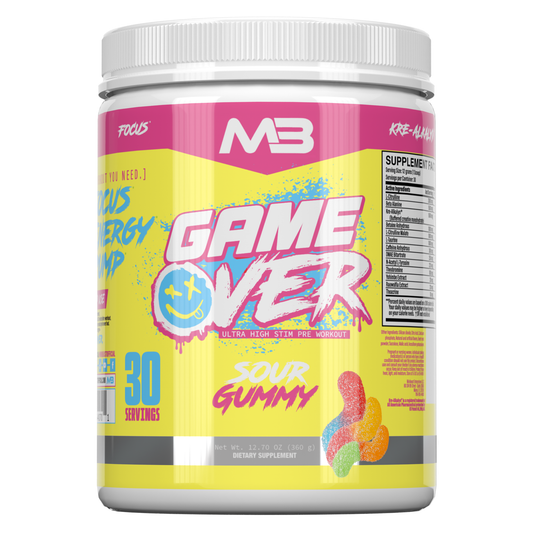
Minibeast's Game Over is a high-stim, max-strength pre-workout with a clinically dosed high-stimulant blend. It also contains key amino acids, like L-Citrulline Malate and beta-alanine.
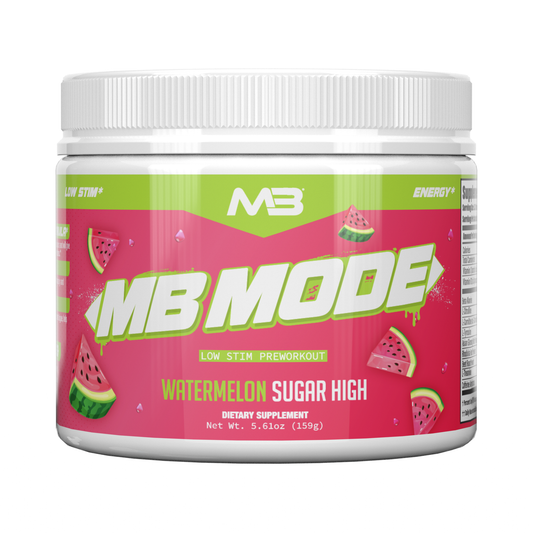
Our MB Mode is a low-stim option with enough caffeine for a steady lift plus aminos like beta-alanine to help delay fatigue and L-Theanine to keep you sharp.
For the night owls, MB Pump delivers laser focus and a proper pump without any stimulants at all. It, too, contains key amino acids, like taurine, betaine, and niacin.
What about creatine?
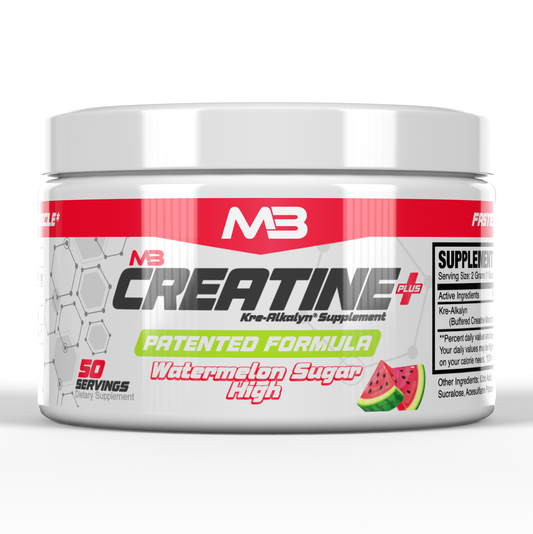
Minibeast's MB Creatine Plus is a patented formula of 99.9% pure creatine monohydrate. It's pH-buffered to help minimize potential stomach discomfort. No sugar, no gluten, no animal products, no sugar... just lean-muscle-mass-supporting creatine.
Conclusion
You can mix creatine with pre-workout, and some pre-workout blends contain creatine. It's worth checking the label to make sure you don't double dose. Many people prefer taking the two supplements separately, as they might be best taken at different times.
Frequently Asked Questions
Why Did I Gain 10 Pounds After Taking Creatine?
Many people experience water retention after starting creatine, particularly if they engage in a loading phase. Creatine is stored in your muscle cells, and it pulls water into your muscle fibers. That water retention can lead to water weight gain.
Is Creatine Better to Take Before or After a Workout?
The most important thing is to take creatine consistently. Some research suggests taking it post-workout is better, but the key thing is consistency.
Does Creatine Give You a Pump?
Many people take creatine specifically because of the pump it gives. Creatine draws water into your muscle cells, which can make them look bigger and more defined.
Keep Reading: What Are 7/8 Leggings? Should I Wear Them?
--
Sources
- Creatine supplementation enhances immunological function of neutrophils by increasing cellular adenosine triphosphate - PMC
- Effects of Creatine Supplementation and Resistance Training on Muscle Strength Gains in Adults <50 Years of Age: A Systematic Review and Meta-Analysis
- Effects of β-Alanine Supplementation on Subjects Performing High-Intensity Functional Training - PMC
- Pre-Workout Supplements and Their Effects on Cardiovascular Health: An Integrative Review - PMC
- A single dose multi-ingredient pre-workout supplement enhances upper body resistance exercise performance
--
Minibeast believes that everyone has the power to evolve into their best self. From state-of-the-art fitness equipment to comprehensive training programs, our brand is built for those who take their goals seriously. Through The Heart of Minibeast, 5% of every order helps feed families in need and support community programs. Get the latest workout tips, product updates, and fitness content by following us on Instagram, Facebook, YouTube, and TikTok.
–
These statements have not been evaluated by the Food and Drug Administration. These products are not intended to diagnose, treat, cure, or prevent any disease. The information provided on this website is for informational purposes only and is not intended as a substitute for professional medical advice, diagnosis, or treatment. Always seek the advice of a qualified healthcare provider with any questions you may have regarding a medical condition or before starting any new diet, exercise program, supplement, or using any fitness equipment or apparel. By using this site and its products, you acknowledge that you do so at your own risk. Use all products only as directed and discontinue use immediately if discomfort or adverse effects occur.