What to Eat Before a Workout (And What to Avoid)

What you eat before a workout can make a noticeable difference to your performance.
The right foods help fuel your muscles and support recovery, while poorly timed meals can leave you feeling sluggish or uncomfortable.
So, what should you eat before heading to the gym? The answer comes down to choosing the right nutrients, portions, and even the timing of the meal.
Key Takeaways
- Eat a balanced meal two to three hours before exercising.
- Choose a small, easy-to-digest snack 30 to 60 minutes before training.
- Carbohydrates provide energy, while protein supports muscle recovery.
- Avoid heavy meals and foods that upset your stomach close to exercise.
- Adjust your food choices based on your workout type and training intensity.
See More: Does Cycling Build Glutes? Here's What the Science Says
What to Eat Before a Workout
Carriejune, founder of Minibeast, says:
"The best thing you can do before a workout is give your body the fuel it needs. Focus on carbohydrates for energy, add some protein to support your muscles, and, maybe most importantly, choose foods that make you feel good while training!"
Personal trainers suggest that a good pre-workout meal combines carbohydrates and protein without being too heavy.
For example, chicken with rice, oatmeal with protein powder, or whole grain toast with eggs can work well when you have a few hours before exercising.
If you're training quite soon, common suggestions like a banana, rice cakes, or a small fruit smoothie may be easier to digest than a big plate.
That said, your ideal pre-workout food depends on you — your fitness goals, workout timing, and how your body responds to different meals. This also goes for post-workout nutrition.

Why Is Pre-Workout Nutrition Important?
Pre-workout nutrition is important because it fuels your body for success.
In particular, carbohydrates are an important fuel source during and before exercise, especially for intense workouts.
Your body stores carbohydrates as glycogen in your muscles and liver. Adequate glycogen stores help maintain energy levels during longer sessions and demanding strength training.
Eating carbohydrates before exercise can also help maintain blood sugar levels and support normal muscle function.
Alongside carbs, protein provides amino acids that help support muscle repair, growth, and recovery.
Some even swear by coffee as a pre-workout boost!
Although pre-workout nutrition can enhance performance, your overall eating habits matter just as much as what you consume immediately before training.
So, consider every meal from breakfast to dessert.
When Should You Eat Before a Workout?
Timing matters because different foods take different amounts of time to digest.
Here are some general suggestions based on advice from trainers and nutritionists.
2 to 3 Hours Before Exercise
Two to three hours is a good time for a complete pre-workout meal with carbohydrates, protein, and some healthy fat.
Try options such as:
- Chicken with rice and vegetables
- Oatmeal with Greek yogurt and berries
- Whole grain bread with eggs
- A rice bowl with lean protein
Complex carbohydrates, including oats and whole grains, can provide sustained energy.
Eating earlier also gives your body time for digestion, reducing the chance that a large meal will sit heavy during exercise.
30 to 60 Minutes Before Exercise
If you're heading to the gym very soon (e.g., in 30 to 60 minutes), choose a small snack containing carbohydrates rather than a large meal.
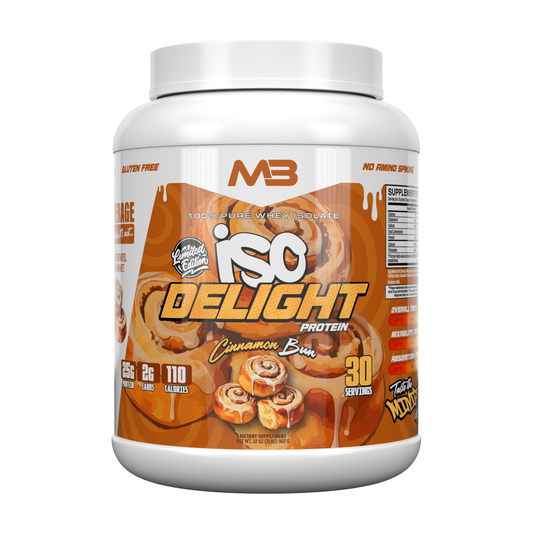
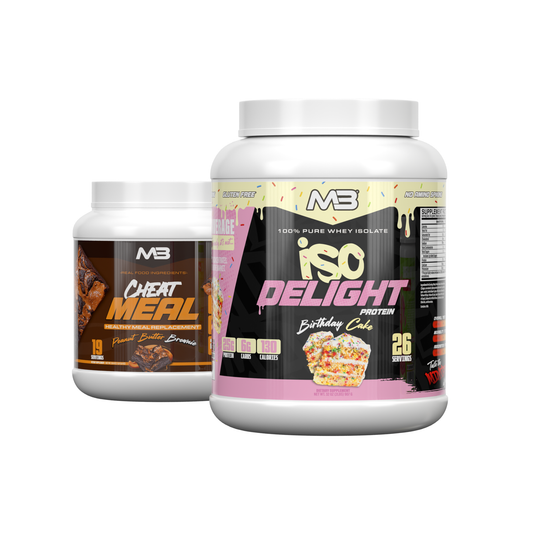
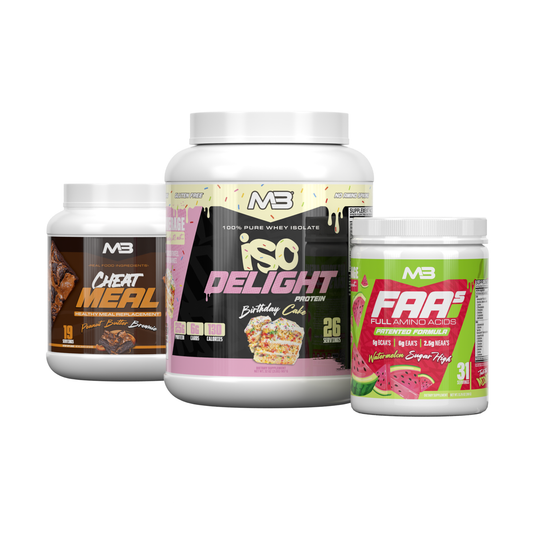
Bananas, rice cakes, dried fruit, and simple energy bars are convenient options. You can also opt for protein shakes, such as Minibeast’s IsoDelight Protein, which provides fast-absorbing protein, if you want a quick and easy boost.
Why are carbs so crucial? Well, fast-digesting carbs provide readily available fuel without requiring the time and digestion of a large meal.
However, remember that you don't necessarily need much protein in a last-minute snack, particularly if you've already eaten a protein-rich meal.
Bonus: 5 Things to Consider When Choosing a Gym

Best Foods to Eat Before a Workout
Looking for a list of snack suggestions?
You don't need expensive supplements or complicated recipes. Everyday foods can provide excellent pre-workout nutrition.
1. Bananas
A medium banana contains approximately 27 grams of carbohydrates, making it a practical choice for quick energy.
It's portable, requires no preparation, and works well before shorter workouts. Easy-peasy!
2. Greek Yogurt and Berries
Greek yogurt provides protein, while berries contribute carbohydrates.
Depending on the brand and serving size, a cup can contain around 15 to 20 grams of protein or more.
It's a convenient pre-workout snack if you tolerate dairy and have time to digest it.
3. Whole Grain Toast With Almond Butter
Whole grain toast supplies carbohydrates, while almond butter adds healthy fat and a little protein.
This combination can provide sustained energy when eaten well before training.
However, nut butter can slow digestion, so a lighter topping may be more comfortable closer to your workout.
4. Oatmeal
Oatmeal contains complex carbohydrates that help fuel exercise.
Add banana, berries, or protein powder to increase the carbohydrate or protein content, if this is part of your nutrition plan.
Because oatmeal contains more fiber, it's generally better eaten a couple of hours before training.
5. Fruit Smoothies and Protein Shakes
A fruit smoothie is useful when you want something convenient and easy to consume.
Blend fruit with milk or yogurt, adding protein powder if needed.
A protein shake alone may contain little carbohydrate, so adding fruit can help provide more workout fuel.
6. Rice Cakes and Dried Fruit
Rice cakes and dried fruit provide carbohydrates without much preparation.
They're practical options for a small snack shortly before exercise, especially if high-fiber foods cause digestive discomfort.

How Much Protein Should You Eat Before a Workout?
Around 20 to 30 grams of protein is a practical target for many adults, although individual needs vary.
Protein provides amino acids that support key functions like muscle protein synthesis, muscle repair, and recovery.
You can get it from chicken, eggs, Greek yogurt, or a protein shake. However, there's no need to force a high-protein meal immediately before training.
Eating enough protein throughout the day matters more than hitting an exact pre-workout window. Adequate protein intake also helps support muscle maintenance and limit muscle breakdown.
How Many Carbs Should You Eat Before Exercise?
Your carbohydrate needs depend on body weight and training duration or intensity.
For some longer endurance workouts, approximately 1 gram of carbohydrate per kilogram of body weight an hour before exercise can be a useful starting point if tolerated.
For someone weighing 70 kilograms, that's around 70 grams of carbohydrates.
However, this calculation isn't necessary for every workout.
A short strength session may require only a small snack or no additional food if you've eaten recently.
Longer sessions and higher-intensity exercise generally benefit more from higher carbohydrate availability.
What Should You Avoid Eating Before a Workout?
Certain foods can cause discomfort when eaten too close to exercise.
Consider limiting:
- Heavy meals immediately before training
- High-fat foods that slow stomach emptying
- High-fiber foods that cause bloating or cramps
- Unfamiliar foods before demanding workouts
- Anything that regularly upsets your stomach
High-fat and high-fiber foods aren't unhealthy. Fitness professionals suggest avoiding them because their slower digestion simply makes them less suitable right before some workouts.
Refined sugars aren't automatically off-limits, either.
Fast-digesting carbohydrates can be useful before certain types of exercise, although sweets alone aren't a balanced approach to nutrition.
If you’re unsure, a nutritionist or workout program can give you guidelines for what to eat and what to avoid. Minibeast’s 8 Week Workout Challenge comes with example meal plans and snack suggestions.

Is It OK to Work Out on an Empty Stomach?
Yes, if you feel comfortable doing so.
For a short or easy workout, exercising on an empty stomach may be perfectly manageable.
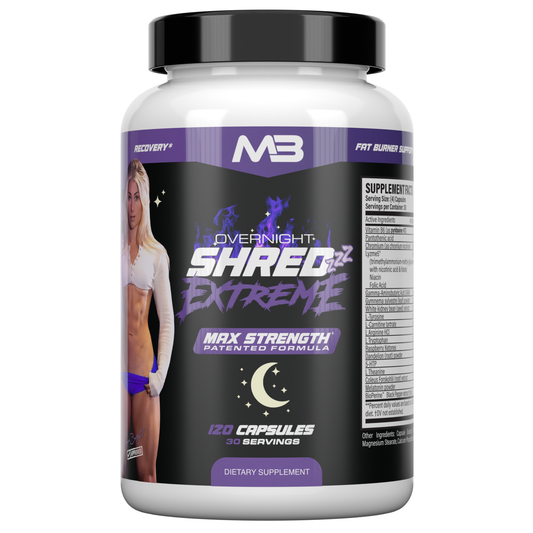
However, fasted training doesn't automatically lead to greater long-term fat loss. Some find that fat loss supplements are more efficient if weight loss is a goal, such as Minibeast’s Overnight Shredzzz Extreme. Some people even use special creams for fat burning.
Also, fasted exercise can leave some people feeling low on energy during intense workouts. If you feel hungry or lightheaded, eat a small snack before exercising.
What Should You Drink Before Exercise?
Water is usually enough for most gym sessions.
Drink regularly throughout the day and have some water one to two hours before your workout.
A sports drink may be useful during prolonged exercise, particularly in hot conditions when you're losing more fluids and electrolytes through sweat.
Conclusion
Knowing what to eat before a workout doesn't need to be a complicated equation!
You can simplify your prep by choosing carbohydrates for fuel and including protein to support muscle recovery. And always give larger meals time to digest.
Frequently Asked Questions
What Should I Eat 30 Minutes Before the Gym?
Choose smaller snacks like rice cakes or a small serving of dried fruit. These provide easily digested carbohydrates without the heaviness of a full meal.
What Should You Not Eat Before Working Out?
Avoid large, greasy meals and foods that cause bloating or stomach discomfort. High-fat and high-fiber foods may be harder to tolerate immediately before intense exercise.
Is It Better to Eat Before or After a Workout?
Both can be helpful. Eating beforehand provides fuel for exercise, while a post-workout meal containing protein and carbohydrates supports recovery. Your overall daily nutrition matters more than perfect timing.
Keep Reading: Do Squats Actually Make Your Butt Bigger?
--
Minibeast believes that everyone has the power to evolve into their best self. From state-of-the-art fitness equipment to comprehensive training programs, our brand is built for those who take their goals seriously. Through The Heart of Minibeast, 5% of every order helps feed families in need and support community programs. Get the latest workout tips, product updates, and fitness content by following us on Instagram, Facebook, YouTube, and TikTok.
–
These statements have not been evaluated by the Food and Drug Administration. These products are not intended to diagnose, treat, cure, or prevent any disease. The information provided on this website is for informational purposes only and is not intended as a substitute for professional medical advice, diagnosis, or treatment. Always seek the advice of a qualified healthcare provider with any questions you may have regarding a medical condition or before starting any new diet, exercise program, supplement, or using any fitness equipment or apparel. By using this site and its products, you acknowledge that you do so at your own risk. Use all products only as directed and discontinue use immediately if discomfort or adverse effects occur.