How to Build Your Own Workout Routine

The right workout plan can make the difference between you smashing your fitness goals and falling short. We break down the fundamentals to help you build the perfect workout routine.
Key Takeaways
- Experts recommend exercising for at least 2.5 hours per week.
- A workout routine helps you stay consistent and make progress toward your fitness goals.
- That said, workout plans should be flexible when needed.
- Your workout routine should align with your individual goals, fitness level, schedule, and preferences when it comes to exercises.
- You can get professionally designed workout programs to help make the process easier.
See More: Do Squats Actually Make Your Butt Bigger?
How Can I Build an Exercise Routine?
Carriejune, founder of Minibeast, says:
"To build a great workout routine, you need to define your goals, figure out how much time you can spare, and find the right exercises for each workout."
Creating an effective exercise routine is easier than you might think. With the right resources, anyone can build a routine that fits their schedule and helps them progress toward their fitness goals.
Figuring out your individual goals is the first step in building your routine. Do you want to build muscle? Enhance your muscular endurance? Lose weight?
Your fitness goals will determine the overall structure of your exercise routine. Still, no matter your specific goal, an effective exercise routine also means proper nutrition and recovery. It usually involves a balance of cardio, strength training, and flexibility exercises.
The right routine should help you stay consistent on your fitness journey. Remember, steady progress is the secret to smashing your fitness goals.
We'll break down everything you need to know to set yourself up for fitness success.

How Often Should I Exercise?
A physically active lifestyle provides all kinds of benefits. Regular physical activity helps with weight loss, muscle gain, and even mental health.
But what exactly counts as regular exercise?
Well, expert groups like the World Health Organization and CDC recommend aiming for at least 150 minutes (2.5 hours) of moderate-intensity exercise per week. You can split up that time however you want.
Before you jump in, it's important to take stock of your current fitness level. Are you a complete beginner? Seasoned athlete refreshing their routine? Somewhere in between?
Your fitness level will influence your weekly training volume. If you're new, start gradually and set realistic goals. Slow, steady progress is better than going too hard and risking burnout or injury.
When Should I Take Rest Days?
Speaking of burnout and injury, rest days aren't optional. Recovery is when your body repairs the damage done during exercise, including the muscle building that leads to gains in strength and size.
A good rule of thumb for muscle recovery is 48 hours after strength training. That means you should generally avoid targeting the same muscle group on consecutive days.
Many workout plans incorporate two days (48 hours) of rest per week.
Rest days don't have to mean sitting around twiddling your thumbs. You can engage in active recovery exercises, like gentle walking, stretching, or yoga. The idea behind active recovery is to keep your body moving without putting it under too much strain.
Your routine doesn't have to be iron-clad. You can, and should, adapt it when needed. So if you feel really sore, have had terrible sleep, or fall sick, take more rest as needed. It's often better to give your body the chance to recover properly instead of trying to push through warning signs it gives you.
Do I Need to Do Flexibility Exercises?
Flexibility isn't just a part of active recovery. It's a great addition to any balanced workout routine. Try to incorporate mobility work into your workout plan at least twice a week.
If you've worked out before, you likely know the importance of mobility. It's what lets you perform the full range of motion during an exercise. It's what helps you feel less stiff after a workout and in your daily life.
Before each training session, make sure to warm up. After you're done, cool down. That helps protect you from injury.
If you're older, or more at risk of falls, consider adding balance exercises to your workout routine, too.
Bonus: What to Eat Before a Workout (And What to Avoid)

How Do I Build a Strength Training Exercise Routine?
Building the perfect resistance training routine starts with the fundamentals we just discussed. Define your goals, assess your fitness level, and determine how much time you have in your weekly schedule.
Once you've done that, you can start building out your plan. Many strength training workout plans target your major muscle groups twice per week.
How Do I Hit the Major Muscle Groups?
Your body contains hundreds of individual muscles. They're often organized into several major muscle groups, like your chest, back, shoulders, core, and glutes.
Compound exercises incorporate multiple muscle groups. Examples include squats, deadlifts, rows, and bench press. Each compound exercise involves a core movement pattern, like a push, pull, hinge, or squat.
Isolation exercises target specific muscle groups or even individual muscles. Examples include bicep curls or tricep extensions.
If you target all your major muscle groups in a single training session, it's called a full-body workout. Full-body workouts can be efficient, especially for beginners. But if you do them too often, you might undermine your recovery.
Many workouts offer an alternative to the full-body split. Instead of training everything at once, they split up different muscle groups into different training sessions.
Popular splits include:
- Upper/lower: Train your upper body muscles in one session and your lower body muscles in another.
- Push/pull/legs: Do pressing movements in one session, pulling movements in another, and leg exercises in the third.
- Body part split: Target two body parts (e.g., chest and biceps) in each session.
Which split you choose depends on your goals, fitness level, and schedule. If you're only able to work out twice a week, a full-body split might be best. If you have more time, or are more advanced, a more specialized split could be effective.
What Makes a Good Workout?
No matter what split you use, your individual workouts should each have a clear purpose. Set out the exercises you want to perform and establish some achievable goals for the training session ahead.
Many experts recommend aiming for 2-3 sets of 8-12 reps per exercise.
However, as the American Council on Exercise notes, the specific number of reps you aim for depends on your goals. If you want to focus on strength, aim for fewer reps and heavier weights. If your goal is to build muscle mass, aim for at least 8 reps.
Each rep should involve the full range of motion for the particular exercise. The exception is if you can't do the full range of motion. If that's the case, go as far as you can. Mobility and flexibility work may be helpful.
Proper form is also vital. Good form protects you from injury and ensures your exercises are hitting the muscles you actually want to train.
Generally, your final rep should feel close to failure. You need to push yourself in order for your body to adapt and progress. It should still be done with proper form, though.
How Do I Maintain Progressive Overload?
When you work out, you put your body under stress. It recovers, building back a little bit stronger and more capable than before.
In order to keep progressing, you need to continually raise the challenge of your workouts to ensure you are still being pushed. This principle is called progressive overload. It's essential for muscle gain and endurance.
There are a few ways to maintain progressive overload. The most common is adding weight to your exercises. For example, you might regularly add 1-2 pounds to your arm exercises and 2-5 pounds to your lower body exercises. Taking things slow and steady helps reduce the risk of injury.
You can also increase the number of reps or reduce the rest time between sets. Some people even perform exercises slower or with a pause at the peak of the movement.
It's really important to track all of this. Make sure to record your progress, both to give you proof of how far you've come and to help you identify if and when things are going wrong.
Are Home Workouts as Good as the Gym?
If you think all of this only applies to workouts in the gym, think again.
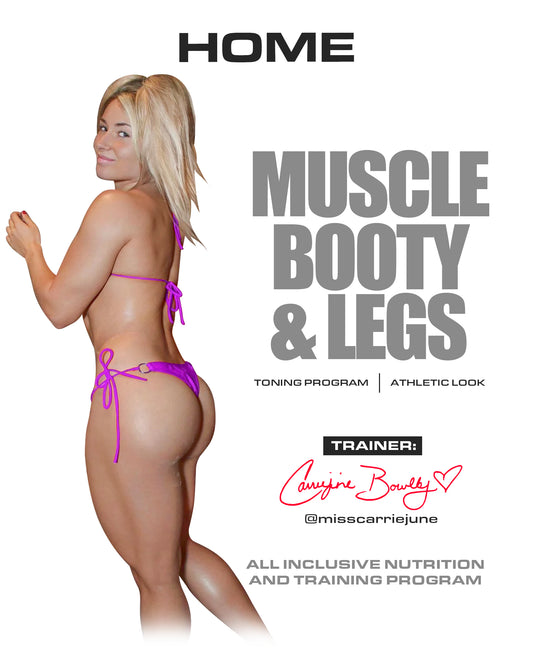
It's entirely possible to build an effective, efficient workout plan at home, whether you have an all-in-one home gym setup, a pair of adjustable dumbbells, or a resistance band and some free weights.
You can even use your own body weight. Bodyweight exercises, like push-ups and squats, can hit all of your major muscle groups.
The principles are the same as those we discussed above. Define your goals, assess your current fitness level, and fit your workouts into your schedule. Prioritize rest and proper nutrition. Stick with it, even when it's hard, and you should see progress.

Where Can I Get a Professional Workout Plan?
It's entirely possible to build a workout plan yourself, but it will take time and effort. One handy alternative is to get a professional to design your plan for you.
Fortunately, there are plenty of professionally designed workout plans out there.
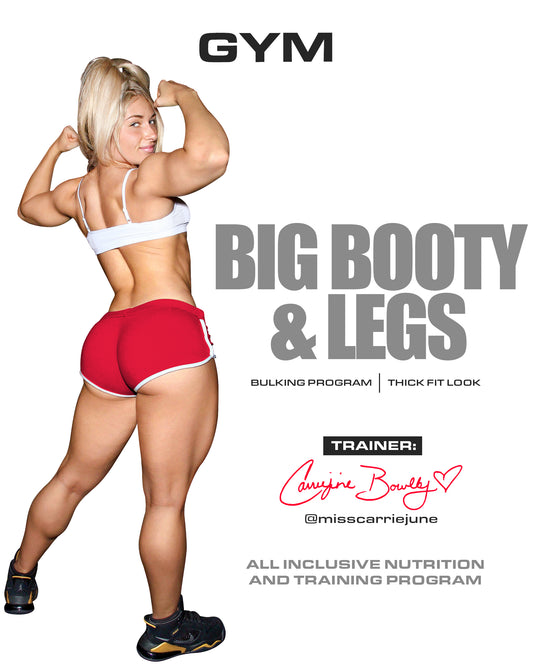
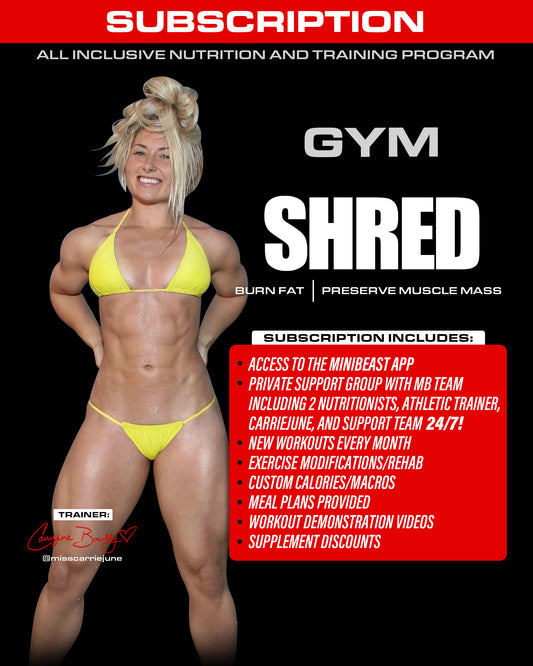
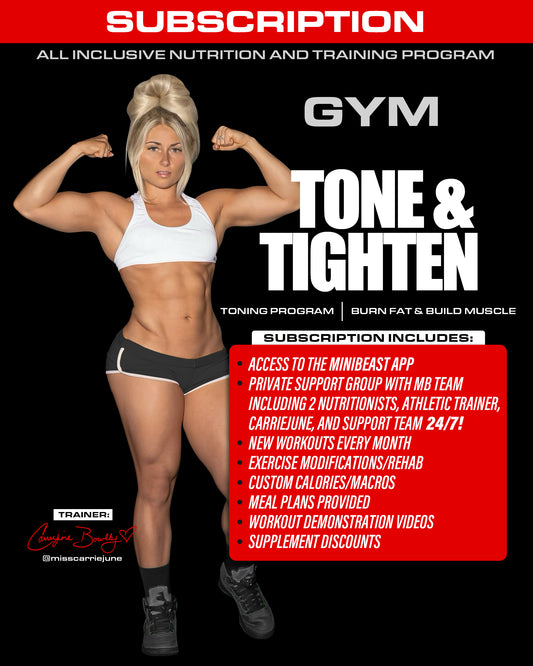
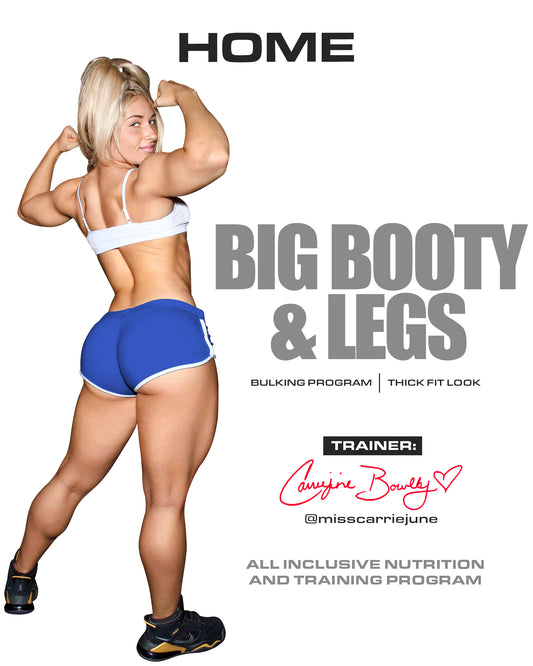
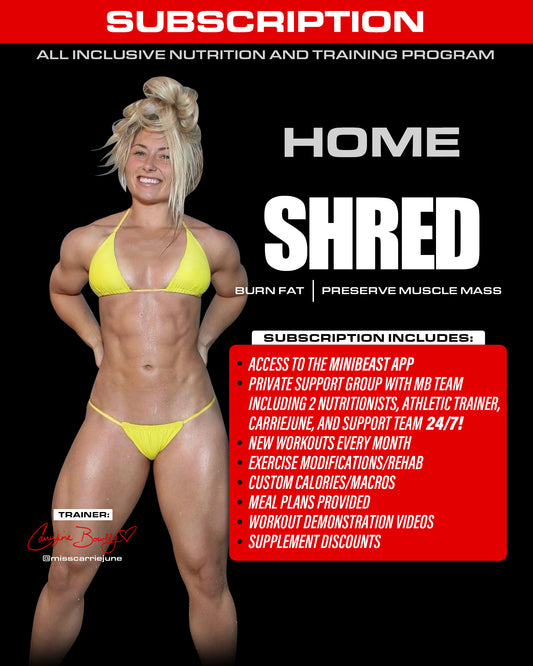
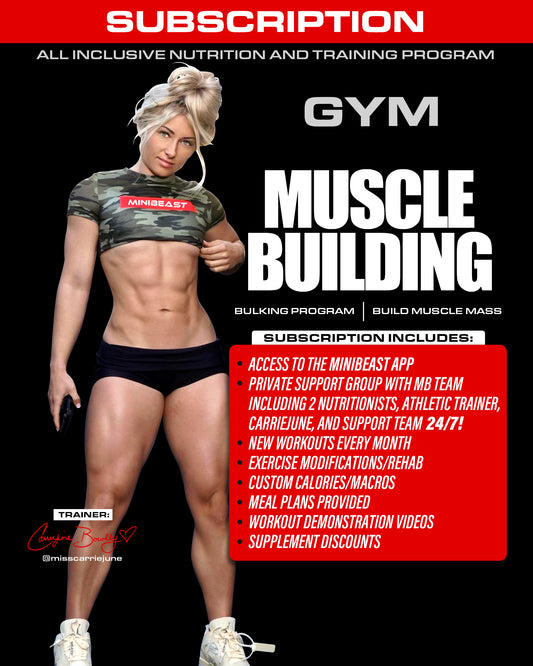
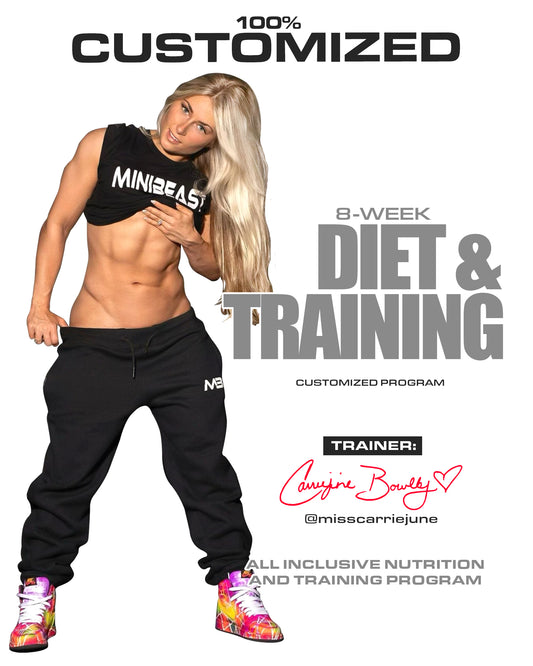
One great example is Minibeast's 8-Week Workout Challenge. You get access to five full workout programs, customized calories, exercise demonstrations, a 24/7 private support group, and much more.
Hundreds of thousands of people have used this workout plan to smash their fitness goals.
Conclusion
To create an effective workout plan, set out your fitness goals, determine your current fitness level, assess your weekly schedule, and plan your workouts accordingly. A professionally designed workout plan is an easy shortcut.
Frequently Asked Questions
What Is the 3-3-3 Rule for Working Out?
The 3-3-3 rule is a simple structure for a workout. It involves doing three workouts per week. In each workout, do three sets of three exercises.
What Is the 3-2-1 Rule for Working Out?
The 3-2-1 rule is a straightforward weekly exercise routine. It involves three days of resistance training, two days of core work (or something like Pilates), and one day of cardio.
How to Make a Perfect Workout Plan?
Start by defining your goals and fitness level. Then figure out how many days you can commit each week, accounting for rest and recovery. Finally, pick the exercises you want to do each workout.
Keep Reading: 7 Exercises That Will Give You Abs
--
Minibeast believes that everyone has the power to evolve into their best self. From state-of-the-art fitness equipment to comprehensive training programs, our brand is built for those who take their goals seriously. Through The Heart of Minibeast, 5% of every order helps feed families in need and support community programs. Get the latest workout tips, product updates, and fitness content by following us on Instagram, Facebook, YouTube, and TikTok.
–
These statements have not been evaluated by the Food and Drug Administration. These products are not intended to diagnose, treat, cure, or prevent any disease. The information provided on this website is for informational purposes only and is not intended as a substitute for professional medical advice, diagnosis, or treatment. Always seek the advice of a qualified healthcare provider with any questions you may have regarding a medical condition or before starting any new diet, exercise program, supplement, or using any fitness equipment or apparel. By using this site and its products, you acknowledge that you do so at your own risk. Use all products only as directed and discontinue use immediately if discomfort or adverse effects occur.