Is It Better To Do Cardio Before or After Lifting Weights?

You've got cardio and weights planned for the same workout. Which one should you tackle first?
The order can affect your performance, especially if you're planning a demanding lifting session.
Whether you're hoping to build muscle or improve your endurance, here's how to decide what works best for your fitness goals.
Key Takeaways
- Lifting weights before cardio is generally best when muscle growth or strength is your priority.
- Cardio first makes sense if you're focused on improving cardiovascular endurance.
- A short cardio warm-up before lifting can increase blood flow without causing much fatigue.
- Exercise order has less influence on long-term fat loss than your overall activity and calorie balance.
- You can combine cardio and strength training in the same workout, provided you allow enough recovery time.
See More: What Muscles Do Squats Work? Variations & More
Should You Do Cardio Before or After Weights?
Carriejune, founder of Minibeast, says:
"If you're working on building muscle or getting stronger, I'd recommend lifting weights first. If you're endurance training, though, doing cardio first might suit you better! It all depends on your own goals."
For most people whose main goal is building muscle, lifting weights before cardio is a sensible choice. Starting with fresh muscles can help you maintain your usual training intensity.
However, if you're preparing for a running or cycling event or building cardiovascular fitness, you may prefer using the cardio machines first.
Really, the best order depends on which activity you want to perform at your highest level. Research suggests exercise order can affect strength performance, especially when the cardio portion is demanding.

Benefits of Lifting Weights Before Cardio
Starting with resistance training can make your strength workouts more productive if you plan to lift heavy weights or complete many sets.
A few factors include the following:
More Energy for Heavy Lifting
Weight training requires considerable muscular effort. After an intense cardio workout, you may struggle to lift the same weights or complete your usual repetitions.
This is especially noticeable when cardio and strength exercises use the same muscle groups. For example, running hard before squats can leave your legs feeling tired.
Weight lifting first allows you to approach challenging exercises with all your energy, which can support strength gains over time.
It's also useful for Olympic lifting and other explosive movements that require high power output.
You Can Prioritize Muscle Growth
If you want to build muscle, your strength sessions need to provide enough challenge to encourage adaptation.
Doing weights before cardio can help you maintain the quality of your resistance training, particularly when your workout sessions involve demanding compound exercises.
There's also reassuring news about combining the two.
A systematic review and meta-analysis found that combining aerobic exercise with resistance training did not significantly reduce muscle growth or maximal strength overall.
However, explosive strength gains were more likely to be affected, particularly when both activities were performed in the same session.
This suggests that cardio and weight training can work well together when your overall workload is manageable.
Proper Form May Feel Easier to Maintain
Challenging strength exercises demand concentration and control.
When you're already fatigued after intense cardio, maintaining proper form may become more difficult.
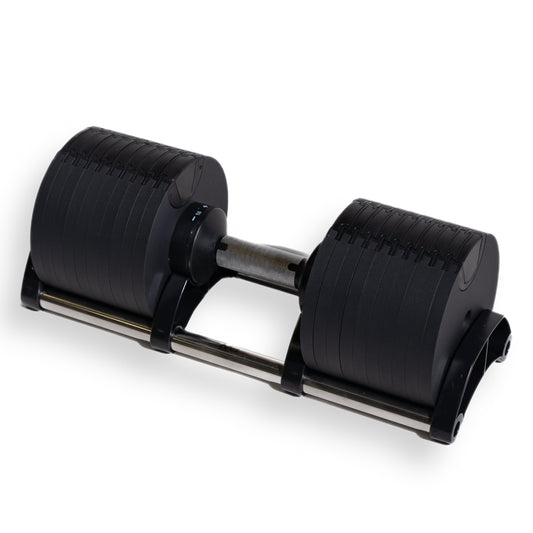
Starting with weights, like Adjustable Dumbbells, can help you feel more prepared for technically demanding movements, although a proper warm-up is still essential.

When Should You Do Cardio Before Weights?
There are good reasons to start with cardiovascular exercise, but again, depending on your training goals.
When Endurance Is Your Main Goal
If you're training for a race or hoping to improve your cycling performance, doing your cardio workout first may be more useful. You'll have more energy available for the activity you're prioritizing.
Just consider how demanding the session will be.
High-intensity cardio can temporarily reduce muscular performance during subsequent strength training.
For example, a long run followed by heavy lower body exercises may feel significantly harder than your usual leg day.
If both workouts are important to you, scheduling separate sessions may help you maintain their quality.
When You're Warming Up
A light cardio warm-up before lifting weights is generally a good idea.
Five to ten minutes of easy cycling or brisk walking can increase blood flow and raise your body temperature.
You can then perform lighter warm-up sets of your planned strength exercises before moving to heavier weights.
That said, trainers recommend you to keep the cardio low intensity so you feel ready to train rather than exhausted before you've started.
Is Cardio Before or After Weights Better for Fat Loss?
If weight loss is your main fitness goal, you might wonder whether exercise order affects fat burning.
Some people recommend cardio after lifting because resistance training uses stored carbohydrates, potentially increasing the proportion of fat used for energy during subsequent exercise.
However, burning a greater proportion of fat during one workout doesn't guarantee greater long-term body fat loss.
Your overall calorie balance and consistent exercise habits have a much bigger influence.
Remember that cardio can help you burn more calories, while resistance training supports muscle mass during weight loss.
Maintaining muscle is useful because it helps preserve strength and supports your resting energy expenditure. Muscle tissue burns energy at rest, although modest increases in muscle mass won't dramatically raise your metabolism.
For fat loss, choose an order that allows you to complete your workouts comfortably and consistently.
Cardio and lifting can both reduce fat, but if preserving muscle is particularly important to you, lifting weights first is a reasonable option.
Bonus: How Many Days a Week Should I Lift Weights?

How to Combine Cardio and Strength Training
You can include both types of exercise in your workout routine without making every gym visit exhausting.
The key is to plan and adjust the intensity of each session based on realistic goals.
Choose Your Workout Order Based on Your Goals
Here's a simple comparison to help you decide what to prioritize.
|
Fitness Goals |
Recommended Workout Order |
|
Build muscle or improve strength |
Weights before cardio |
|
Improve running or cycling endurance |
Cardio before weights |
|
Lose body fat |
Either order can work, depends on your energy |
|
Improve overall |
Choose the order you prefer, but again, assess energy levels |
Remember, these are general recommendations. Your personal preference and energy levels can also influence what works best.
A personal trainer can help you make a personalized plan if you’re not sure where to start. You can also use a professional plan, like the 8 Week Workout Challenge, for guidance and structure.
Consider the Type of Cardio You're Doing
Not all cardio exercises place the same demands on your body.
Moderate intensity cardio, such as comfortable cycling or brisk walking, is often easier to combine with strength training than a demanding HIIT class.
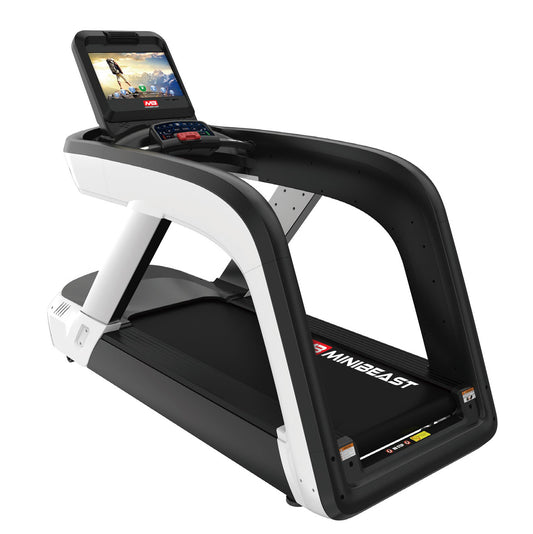
After heavy lifting, you might finish with 15 to 20 minutes on a stationary bike or treadmill.
If you're planning intense cardio, consider whether it would be better on another day, especially after a challenging lower body workout.
Allow Enough Recovery Time
We can’t stress the importance of rest enough!
Combining cardio and strength exercises increases your overall training workload, so recovery deserves attention.
If both sessions are demanding, separating them by several hours may help reduce fatigue and support performance.
You can also schedule cardio and resistance training on different days.
For weight training, allowing around 48 hours between demanding sessions targeting the same major muscle groups is a useful starting point.
Your recovery needs will depend on your training intensity and experience. Persistent soreness or declining performance may indicate that you need more rest.

Can You Do Cardio and Weight Training on the Same Day?
Absolutely! Combining cardio and strength training during the same gym visit is a practical option for many people.
For example, you could start with a light cardio warm-up, complete your usual strength workout, and finish with 20 minutes of moderate-intensity cardio.
If you're short on time, circuit training that combines bodyweight exercises with brief cardio intervals is another option.
However, these sessions may make it harder to use heavy weights, so they're less suitable when maximizing strength is your main goal.
For general health, the ACE and CDC recommend at least 150 minutes of moderate-intensity aerobic activity or 75 minutes of vigorous activity per week.
The physical activity guidelines also recommend strength training at least twice weekly, covering all major muscle groups.
You can distribute these activities across your week in a way that suits your schedule.
Conclusion
If you're focused on muscle growth or strength gains, lifting weights first is usually the better choice. If endurance is your priority, start with cardio. For general fitness and fat loss, either approach can be effective.
What matters most is choosing an order that supports your goals and leaves you enough energy to train well.
Frequently Asked Questions
Is 20 Minutes of Cardio After Weights Enough?
Twenty minutes of cardio after lifting can contribute to your weekly aerobic activity goals. Whether it's enough depends on your overall fitness level and how much cardio you do during the rest of the week.
Should You Do Cardio Before or After Weights to Lose Belly Fat?
Either order can help support overall fat loss. Exercise order won't specifically target belly fat, so focus on maintaining a sustainable calorie deficit and continuing resistance training to help preserve muscle.
Can Cardio Before Weights Affect Muscle Growth?
Intense cardio before weights can make your strength workout feel harder, potentially reducing the quality of your lifting session. However, research suggests that combining cardio and resistance training doesn't necessarily interfere with muscle growth when your program is managed appropriately.
Keep Reading: Here's How to Do Dumbbell Deadlifts
--
Minibeast believes that everyone has the power to evolve into their best self. From state-of-the-art fitness equipment to comprehensive training programs, our brand is built for those who take their goals seriously. Through The Heart of Minibeast, 5% of every order helps feed families in need and support community programs. Get the latest workout tips, product updates, and fitness content by following us on Instagram, Facebook, YouTube, and TikTok.
–
These statements have not been evaluated by the Food and Drug Administration. These products are not intended to diagnose, treat, cure, or prevent any disease. The information provided on this website is for informational purposes only and is not intended as a substitute for professional medical advice, diagnosis, or treatment. Always seek the advice of a qualified healthcare provider with any questions you may have regarding a medical condition or before starting any new diet, exercise program, supplement, or using any fitness equipment or apparel. By using this site and its products, you acknowledge that you do so at your own risk. Use all products only as directed and discontinue use immediately if discomfort or adverse effects occur.