Does Protein Powder Make You Gain Weight?

Holding off on taking protein powder because you're worried it'll make you gain weight? Actually, protein supplements can be a fantastic way to support weight loss.
We break down how protein powder works, why people use it for weight loss, and how you can pick the right powder to help you smash your fitness goals.
Key Takeaways
- Protein powder contains calories.
- If you consume more calories than you burn, you usually gain weight.
- However, protein supplements are widely used for weight loss.
- Protein helps you feel fuller than carbs or fats, which can be helpful for weight loss.
- A high-protein diet can preserve muscle mass during weight loss and support muscle growth, which can enhance weight loss.
See More: Is It Better To Do Cardio Before or After Lifting Weights?
Can Protein Powder Cause Weight Gain?
Carriejune, founder of Minibeast, says:
"Weight gain or loss is usually determined by your caloric intake. Protein powder contains calories, so it can theoretically contribute to weight gain."
Protein powder is one of the most popular workout supplements, used by millions around the world. But some people avoid taking it because they think it will make them gain weight.
That's not necessarily true. In fact, protein powder can be an excellent tool for weight loss, weight management, and enhancing body composition.
The secret lies with the kind of protein powder you use, and how you use it.
Ultimately, weight change comes down to your total calorie intake. Eat more calories than you burn, and you gain weight. Burn more calories than you eat, and you lose weight.
Protein powder is a source of calories. Get one with loads of unnecessary fat and sugar, and eat lots of it without working out, and you may well gain weight. Choose a high-quality option and pair it with a balanced diet and regular resistance training, and you should be on the right path to hitting your fitness goals.

What Is Protein Powder?
Protein powder is a concentrated protein source in powder form. It's made by extracting protein from foods like milk and soy.
The powdered form makes it easy to store large amounts of protein in a small space. You can also scoop out a specific portion. You'll usually get 20-30 grams of protein per serving.
Protein powder is a dietary supplement. It's meant to help you reach your daily protein intake, not replace whole foods.
Bonus: Does Creatine Expire? What to Know
What Kinds of Protein Powder Are There?
There are loads of different protein powders available. When choosing between them, there are a few key things to consider.
First is the protein source. Some protein powders come from animal sources, like milk or eggs. Others come from plant sources, like pea, soy, or rice.
Not all protein sources are equal. Protein is considered "complete" if it provides all of the nine essential amino acids your body can't produce by itself.
Whey protein, which comes from milk, is a complete protein. Egg protein is also a complete protein, which is digested slowly.
If you prefer a plant-based protein, no problem. Soy protein is a complete protein derived from soybeans. You could also get a mix of different plant-based proteins, which combine different sources to provide all the amino acids.
Another thing to consider is protein content. Not every protein powder has the same amount of protein in each serving.
For example, whey protein concentrate typically contains about 80% protein. But whey protein isolate contains up to 95% protein.
Another thing to consider is digestibility. Some protein powders have added ingredients that can cause bloating. And certain people find whey concentrate hard on the stomach. If that's you, there are options.
For example, some protein powders are broken down by a process called enzymatic hydrolysis. These hydrolyzed protein powders are generally considered to have enhanced absorption and digestibility.
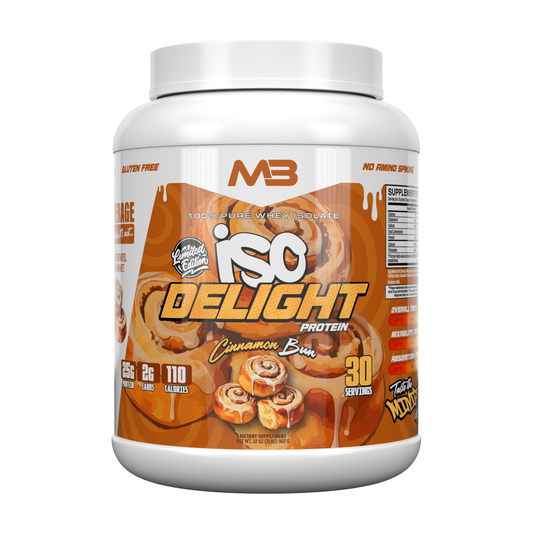
Other protein powders, like Minibeast's IsoDelight, use cross-flow microfiltration technology to isolate protein fractions and remove excess lactose, fat, and impurities.
If you prefer plant-based proteins, pea protein is often considered easily digestible.
What Are the Best Protein Powders?
Those are a lot of things to consider. To help you decide, we've compiled some of the best protein powders out there:
|
Protein powder |
Type of protein |
Protein per serving |
Calories per serving |
Advantage |
|
Minibeast IsoDelight Protein |
Whey isolate |
25g |
110-120 |
Microfiltration technology means 90+% protein concentrate and fewer impurities |
|
Optimum Nutrition Gold Standard Whey Protein |
Whey blend (isolate, concentrate, hydrolyzed) |
24g |
120-130 |
5.5g of branched-chain amino acids per serving |
|
Nutricost Whey Protein |
Whey concentrate |
25g |
120 |
Various flavors |
|
Swolverine Plant Protein |
Pea, pumpkin seed |
25g |
140 |
Contains healthy fats |
|
MyProtein Soy Protein Isolate |
Soy |
26g |
110 |
Higher protein content than other soy protein powders |

What Are the Benefits of Protein Powder?
As we mentioned at the start, protein powder is a supplement. It's not a replacement for whole foods. So why do so many people use it?
Well, the main benefit is convenience. Adding protein powder to your diet is a great way to get enough protein without eating too many calories (or having to cook a whole extra meal).
Many people drink a protein shake after they work out. That gives your body the amino acids it needs for muscle protein synthesis, the process of building new muscle.
How Can a High-Protein Diet Affect Body Composition?
Getting enough protein is vital for muscle growth. It can also be helpful for improving your body composition.
Body composition is the balance between body fat mass and lean mass, which includes muscle mass. When people say they want to lose weight, they usually mean losing fat.
Unfortunately, when you're losing weight with a calorie deficit, you can lose lean muscle mass, too. A high-protein diet can help you maintain muscle mass during weight loss.
Actually, protein may even help with that weight loss process, too. First, protein is more satiating than carbs or fats. That means it makes you feel more full for longer.
Adding more protein to a low-calorie diet can make that diet feel more manageable. That's why protein supplements are so popular for weight loss.
Second, protein helps you build muscle and reshape your body composition, as we explained. Muscle tissue is more metabolically active than fat tissue. Your body burns more calories maintaining a pound of muscle mass than it does fat mass.
In other words, increased muscle mass means increased energy expenditure. Your resting energy expenditure is the number of calories you burn while at rest. Increasing it can help you stay in a calorie deficit without having to eat less or exercise more.
Of course, you should pair protein intake with resistance training. Resistance exercise is what forces your body to turn the protein you eat into muscle.
How Much Protein Should I Eat?
The amount of protein you eat depends on your fitness goals and level of physical activity.
Generally, if you're aiming for muscle growth, experts often recommend aiming for 0.7 - 1 gram of protein per pound of body weight. (That's about 1.4 - 2 grams of protein per kilogram of body weight.)
Can Excess Protein Lead to Weight Gain?
Protein contains calories, just like every other macronutrient. A protein shake might have 200 calories, which you need to add to your daily intake. Drink enough of them, and you could end up in a caloric surplus, which would cause weight gain.
That's why it's important to measure your servings carefully. Incorrectly measured servings, like heaping your scoop of protein powder instead of leveling it off, can lead to macronutrient imbalances.
It's also important to pay attention to your protein source. Avoid protein powders with excessive amounts of added sugar or fat, because these can add unnecessary calories.
Minibeast's IsoDelight Protein is produced with cross-flow microfiltration technology precisely to remove excess fat and impurities. You get 25 grams of protein with virtually no carbs, sugar, or fat. It's the perfect option for anyone serious about clean, lean muscle gain.

Conclusion
Protein powder contains calories, so theoretically it could contribute to a caloric surplus and therefore weight gain. However, protein is satiating and supports muscle growth, which in turn can support weight loss. That's why protein powder is widely used for weight loss.
Frequently Asked Questions
What Happens If You Take Protein Powder Every Day?
That depends on your overall diet and fitness routine. Protein powder can be a great way to increase your protein intake, which supports muscle growth. But some people find that certain kinds of protein can cause digestive issues. Protein powder shouldn't replace whole foods.
Is Protein Powder Good for Losing Weight?
Protein powder is widely used for weight loss. It won't burn fat on its own. But protein keeps you full, preserves muscle mass, and supports muscle growth, all helpful things for weight loss.
Can a Skinny Person Gain Weight With Protein Powder?
Potentially. Weight gain happens when you consume more calories than you burn. Protein powder contributes to your overall calorie intake.
Keep Reading: Why You Need to Do More Bulgarian Split Squats
--
Minibeast believes that everyone has the power to evolve into their best self. From state-of-the-art fitness equipment to comprehensive training programs, our brand is built for those who take their goals seriously. Through The Heart of Minibeast, 5% of every order helps feed families in need and support community programs. Get the latest workout tips, product updates, and fitness content by following us on Instagram, Facebook, YouTube, and TikTok.
–
These statements have not been evaluated by the Food and Drug Administration. These products are not intended to diagnose, treat, cure, or prevent any disease. The information provided on this website is for informational purposes only and is not intended as a substitute for professional medical advice, diagnosis, or treatment. Always seek the advice of a qualified healthcare provider with any questions you may have regarding a medical condition or before starting any new diet, exercise program, supplement, or using any fitness equipment or apparel. By using this site and its products, you acknowledge that you do so at your own risk. Use all products only as directed and discontinue use immediately if discomfort or adverse effects occur.