What Does "Natty" Mean in the Gym?

Natty is one of the most common and contentious terms in fitness. Read on to learn what it really means and why it sparks so many debates.
Key Takeaways
- In the gym, natty means natural.
- Training naturally means building muscle and strength without using performance-enhancing drugs.
- Using these drugs, such as steroids, can result in various potential health issues.
- Training naturally provides various potential benefits, including for long-term health and wellness.
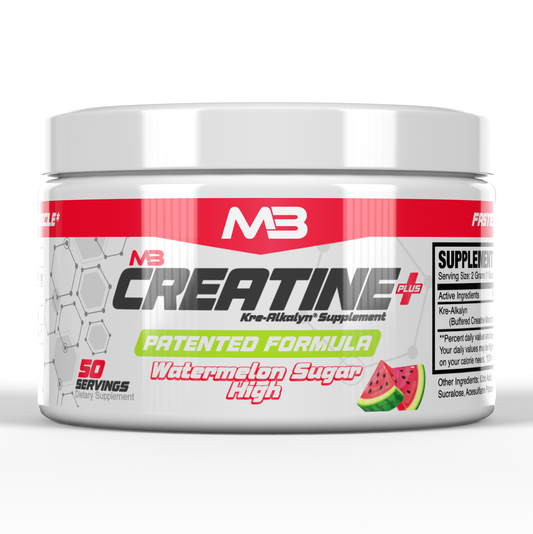
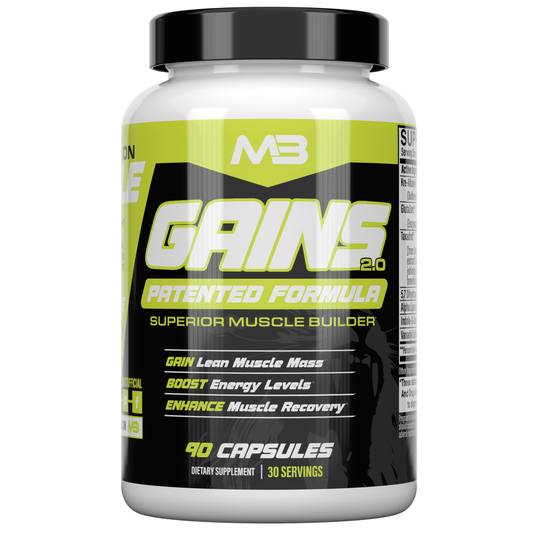
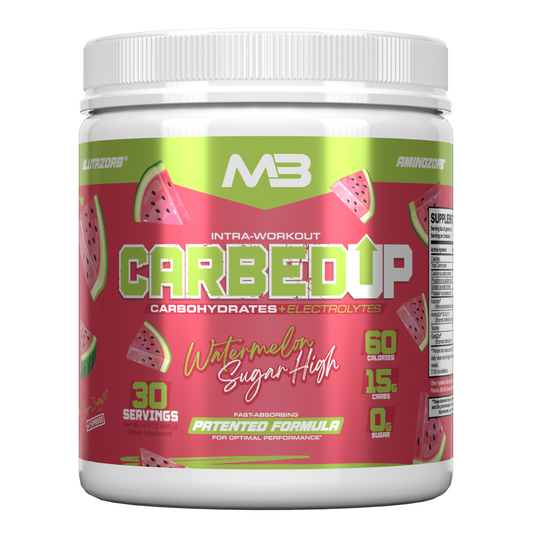
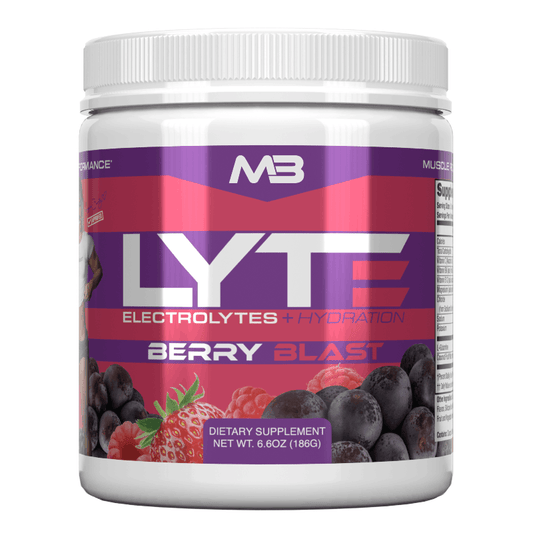
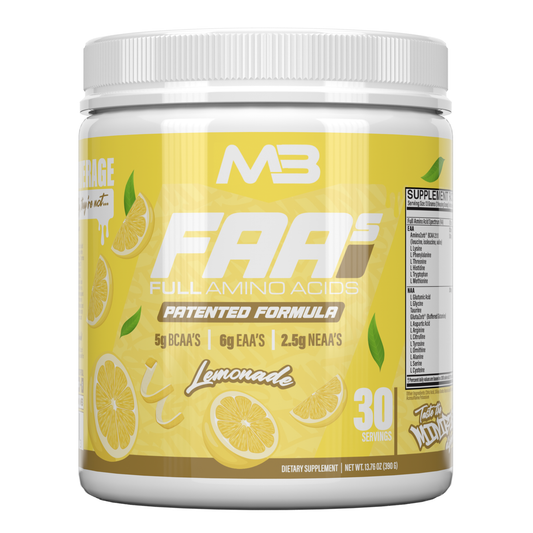
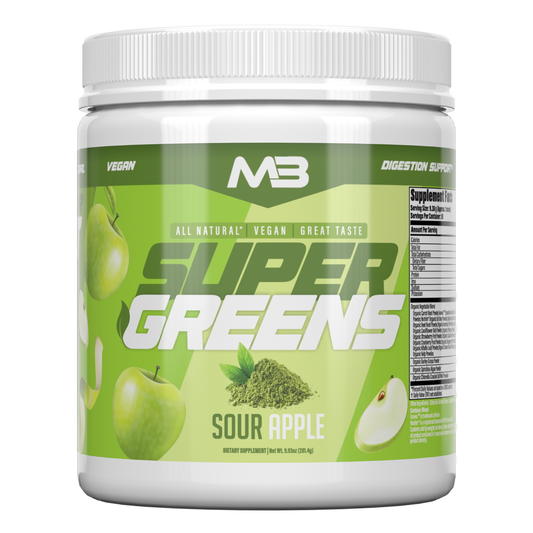
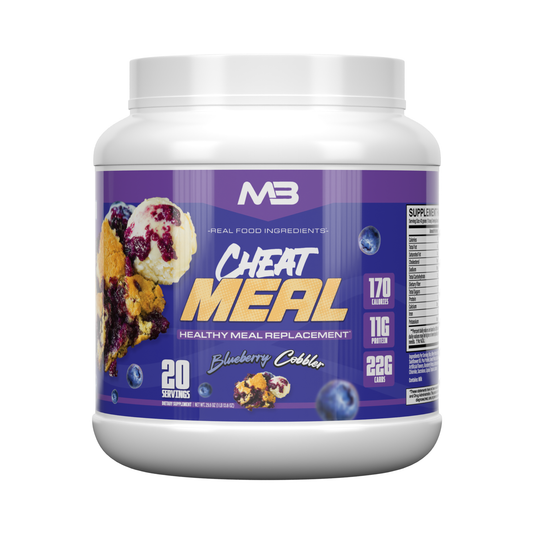
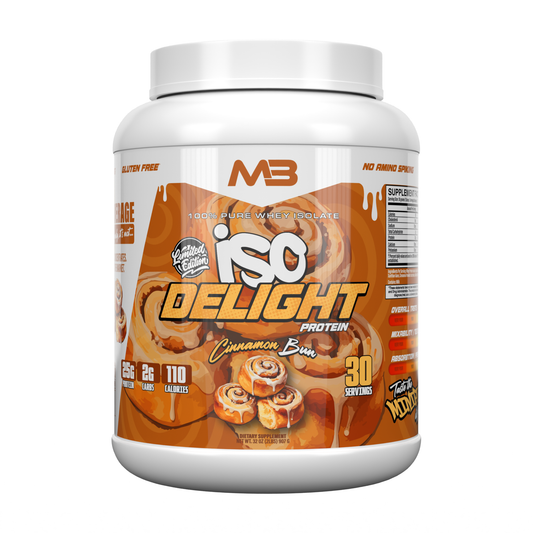
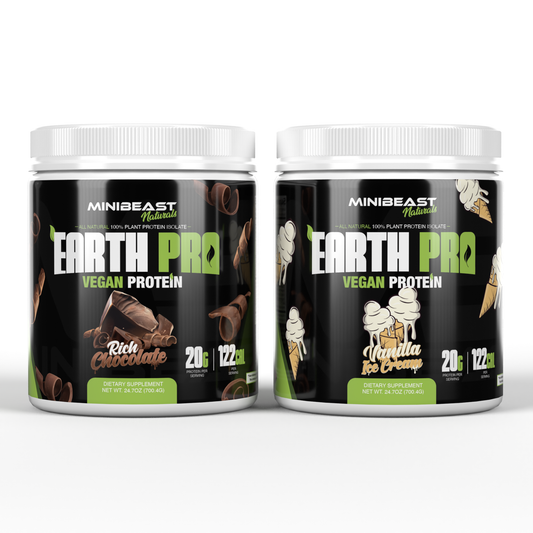
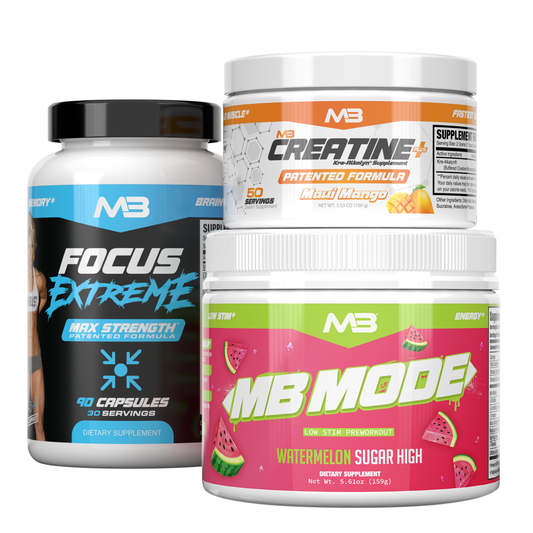
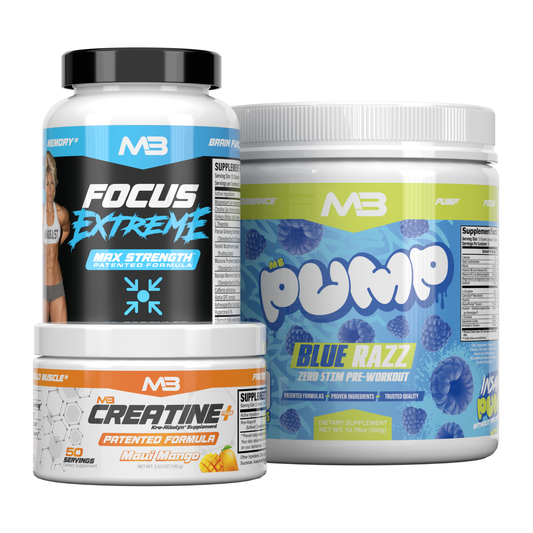
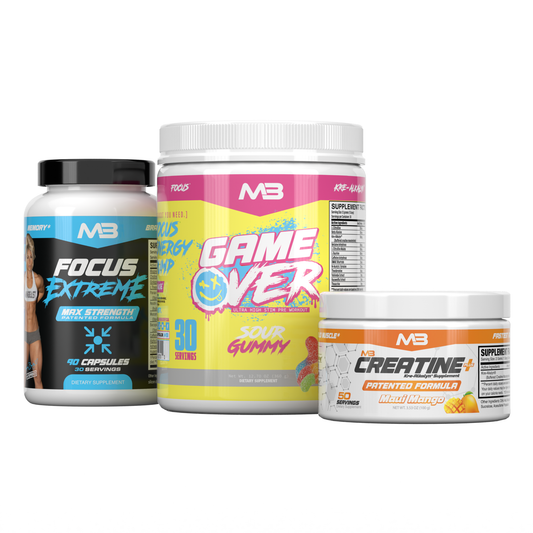
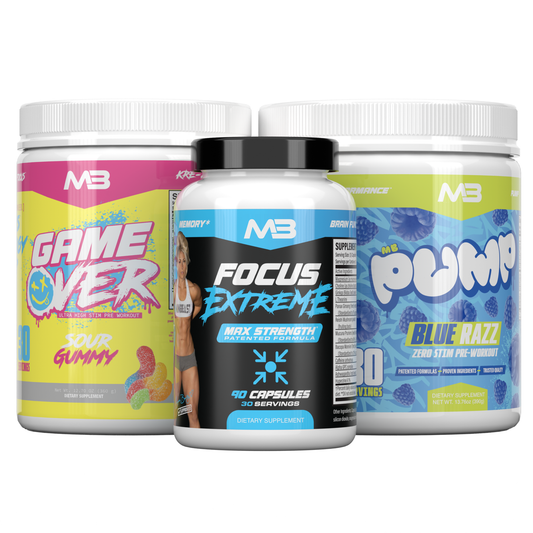
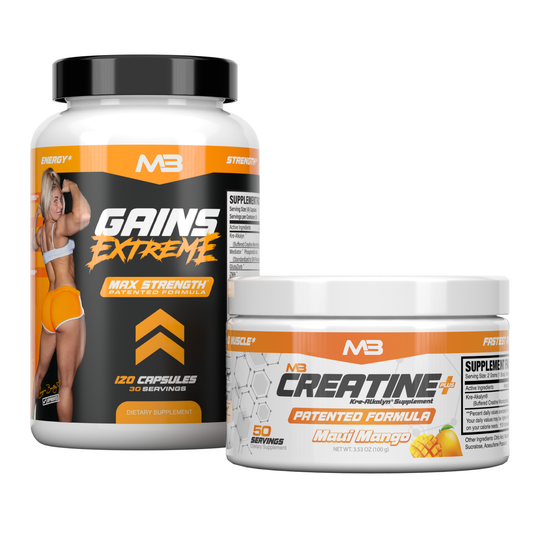
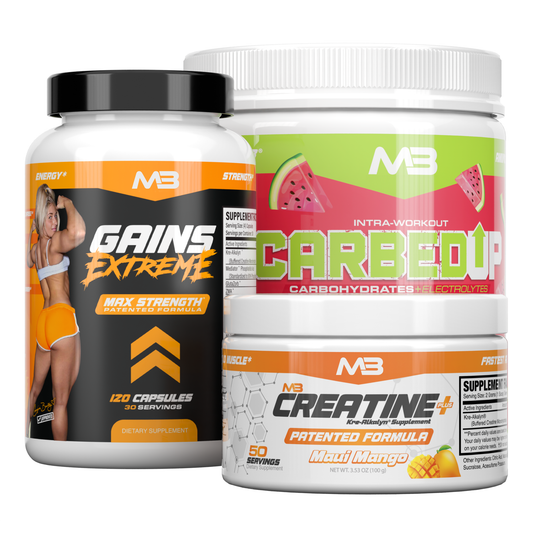
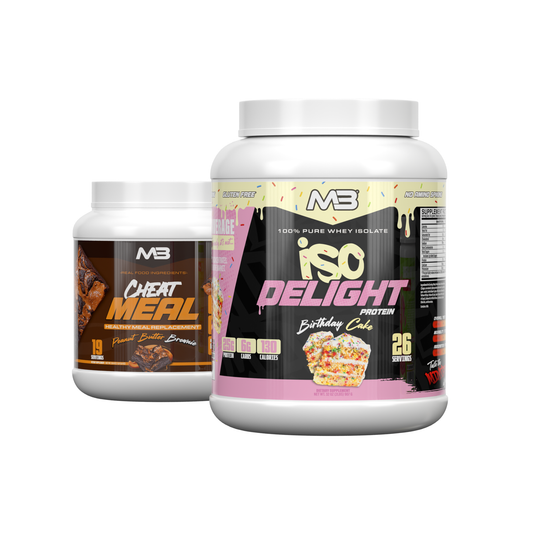
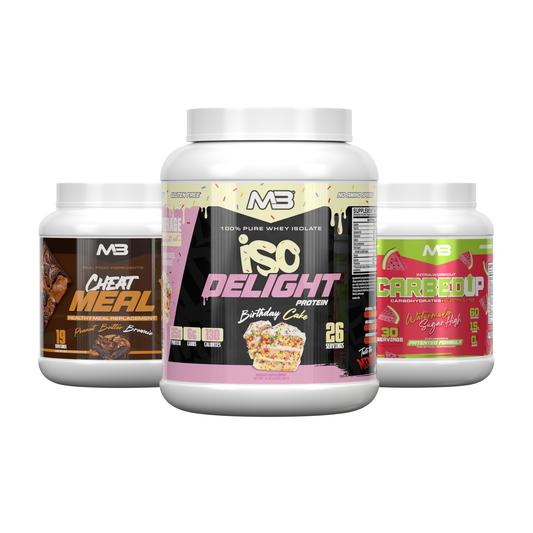
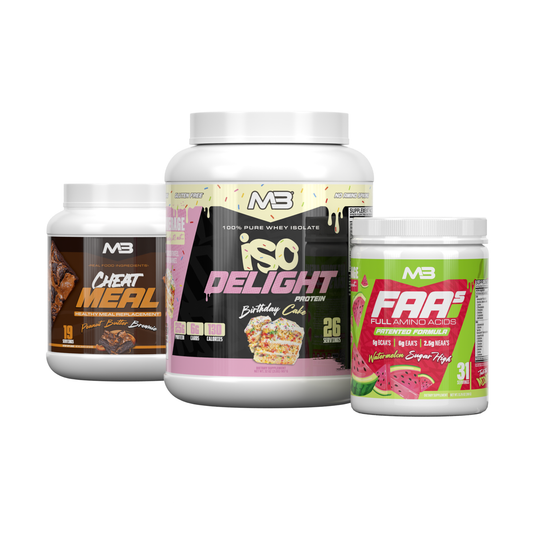
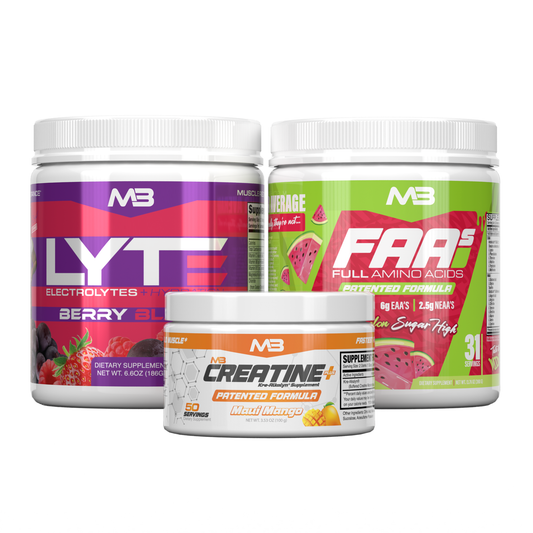
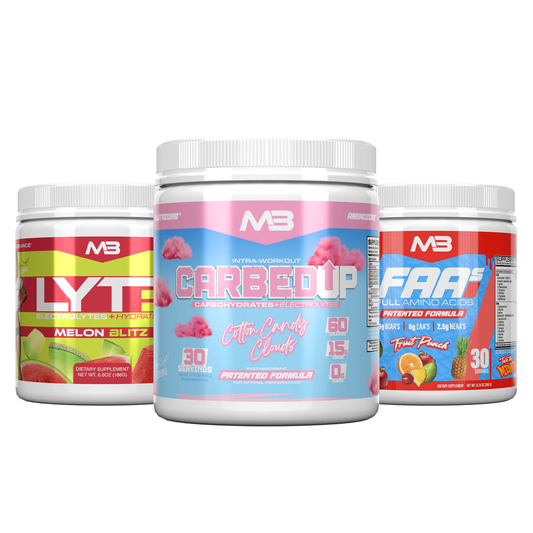
- Natural supplements like protein powder, creatine, and pre-workout are all generally considered natty.
See More: What Is a Functional Trainer? Benefits, Features & More
Natty or Not?
Carriejune, founder of Minibeast, says:
"Being natty means training without performance-enhancing drugs. There are plenty of reasons to stay natty, and it's often seen as a badge of respect."
The fitness world is full of interesting words, phrases, and idioms. One of the most common is "natty."
If you've spent much time in fitness spaces, you might've heard people ask whether someone is "natty or not." If you've never heard the term, it might sound completely confusing.
Put simply, "natty" means natural. It refers to training without the aid of performance-enhancing drugs, or PEDs.
But the context around the word goes much, much deeper than that. In fact, you could argue the concept of training naturally is one of the most widely debated topics in fitness.
If you're interested in bodybuilding, strength training, or fitness in general, chances are you'll encounter this debate at some point. And when you do, it's worth knowing the ins and outs.
Why the Term Natty Is So Important
You might be wondering why the term matters so much. Ultimately, it represents a fundamental divide between two approaches toward fitness.
On the one hand, you have people who want muscle growth at any cost. They use substances with potentially serious health risks to accelerate their muscle building and reach results they might not otherwise be able to achieve.
On the other hand, you have people who work within their body's natural limits. Their results are purely the result of hard work and dedication. Nothing else.
For that reason, being natty is often considered a sort of badge of honor or respect. It's a sign that your figure, your progress, and your results are the result of discipline and effort rather than shortcuts.
Of course, this doesn't mean that athletes who take PEDs don't work hard. Take a look at a pro bodybuilding competition, and you'll understand just how hard some enhanced athletes work.
The difference is that these athletes have an unfair advantage over natural athletes, at least when it comes to producing strength or muscle-building results.
Bonus: Is It Okay to Sleep With a Waist Trainer On?

Understanding Performance-Enhancing Drugs
The line between natty and not isn't quite as simple as you might think.
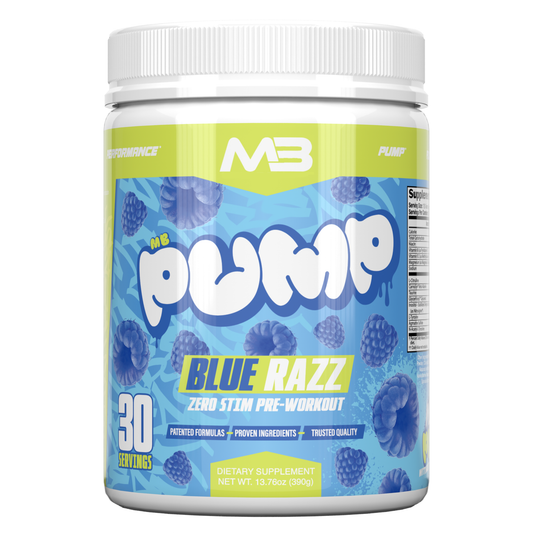
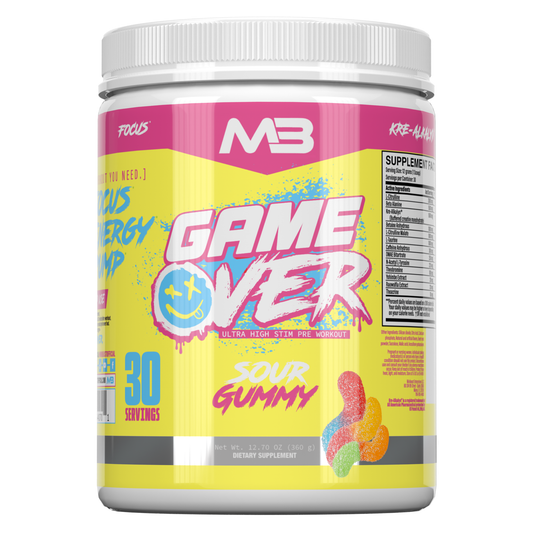
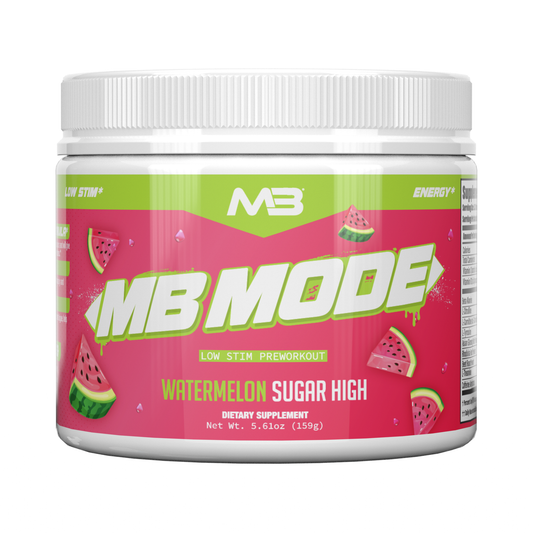
For example, you can take supplements, like pre-workout, and still be considered natty. Many people do, in fact.
However, you can't take PEDs or banned substances and be considered natural.
Perhaps the most well-known group of PEDs is called anabolic steroids. These are synthetic versions of testosterone, a hormone naturally produced by the body.
Normally, athletes are somewhat limited by their body's endogenous, or natural, testosterone levels. Your hormones can determine how efficiently your body recovers and builds new muscle, for example.
Steroids can help people blow past that limit, increasing the body's ability to build muscle.
Other examples of PEDs include growth hormones, selective androgen receptor modulators, and peptides.
All these PEDs share something in common. They allow an individual to operate beyond their body's natural capacities. People take PEDs to build muscle quicker, recover faster, and pack on more mass than would otherwise be physically possible.
That's why people in the fitness community often ask if someone is natty or not. If you're natural, there's no point comparing yourself to someone who uses PEDs. It's a completely unfair comparison.
How to Tell If Someone Isn't Natty
In some cases, it's obvious when an athlete isn't natty. For example, most pro bodybuilders use steroids. Many experts consider achieving their physiques practically impossible without the aid of PEDs.
By contrast, there are natural bodybuilding federations, which enforce strict drug-testing protocols.
In other instances, figuring out if someone is natty is less obvious. That's why people so often argue over whether a particular person is natty or not. If they aren't open about it, it's hard to tell either way.
One tool that is sometimes used to try and guess whether someone is using PEDs is called the fat-free mass index, or FFMI. It's used as an estimate of natural limits in bodybuilding. More specifically, FFMI measures the amount of muscle an individual carries relative to their body size.
FFMI was developed by a group of researchers who analyzed both natural and enhanced bodybuilders. According to their work, a score above 25 indicated that an individual was using steroids.
However, this is only an estimate. It is theoretically possible for someone to be entirely natty and surpass this score. And it's also totally possible for someone to be using PEDs and have a lower score.
Potential Risks
At first glance, steroids and other PEDs might sound a little tempting.
After all, practically anyone who's embarked on a fitness journey has experienced frustrating roadblocks or plateaus. PEDs might seem like a cheat code to quickly break through these barriers.
However, these substances are widely banned for a reason. As we've already discussed, they provide an unfair advantage.
More importantly, they carry a number of potentially serious health risks.
Anabolic steroids, for example, are linked to many potential health problems. For example, they can put your heart, and your cardiovascular system in general, under a great deal of pressure.
Taking artificial hormones can also disrupt your body's natural production of hormones. In the long-term, this can lead to a wide range of problems, including dependence on synthetic hormones.
PEDs can also cause a range of potential psychological effects, including mood swings and aggression. There's a reason why "roid rage" is such a well-known term in the bodybuilding community.

Benefits of Training Naturally
Staying natty means avoiding the potential risks of PEDs. It also provides a few unique potential benefits.
For one thing, naturally built muscle often remains for longer than muscle built with PEDs.
When athletes stop taking PEDs, they often experience muscle loss or atrophy. Sometimes, it's quite dramatic. In part, that's because their body's natural testosterone production may have been undermined because of steroid use.
On the other hand, muscle you built naturally through good diet and training is effectively yours to keep. That is, assuming you continue with your training, of course.
Training naturally can also help you become more in tune with your body. Without the shortcut provided by PEDs, you need to pay close attention to your sleep, nutrition, and progressive overload. You really need to prioritize good nutrition and proper recovery. And you need to stay consistent with your training.
Over time, that attentiveness pays off. Many of these habits, like healthy eating and getting good sleep, are important for overall wellness, not just fitness progress. Developing them and sticking with them can pay dividends long after you hit your fitness goals.
Natural training also teaches you your natural limits. Natty lifters often have more realistic fitness goals, which makes sense when you aren't relying on enhancements to reach an otherwise unattainable figure.
In short, natural training is about much more than reaching a certain aesthetic or form. It's about supporting and enhancing your overall health and wellness.
As we mentioned, being natty is a badge of honor. That's because your results are the result of your own hard work and dedication and nothing else. Every extra pound you lift, every visible change in your physique, every time you beat a personal record... all that was because of your work and nothing more.
Fundamentals of Natural Training
With all that said, it's worth taking a quick look at what natty training actually looks like.
Progressive Overload
The foundation of strength training, natty or not, is progressive overload.
As you progress, your muscles will, ideally, grow in strength and size. What was once difficult will become less challenging.
In order to continue progressing, you therefore need to up the difficulty.
Usually that means adding more weight to your exercises. It can also mean doing more reps, decreasing rest periods, or lengthening the time your muscles are under strain.
Natural bodybuilders often focus on compound movements and use a technique called strategic periodization.
Compound movements are those that challenge multiple muscle groups at once. Think squats, bench press, rows, deadlifts, and so on.
Strategic periodization means carefully planning your training to hit certain goals, rather than training without a clear purpose. It can help improve performance and reduce the risk of overtraining or injury.
Diet
Exercise might be important. But your diet is just as important, if not more so, when it comes to actually achieving the results you want.
As Minibeast founder Carriejune says, "Diet is nearly 70% of our results."
When it comes to building muscle strength and size, that means consuming enough protein. Your body needs it to repair muscle damage and to create new muscle tissue.
Many athletes generally aim to consume between 0.7 and 1 gram of protein per pound of bodyweight per day. A high-quality protein powder is a great way to hit your protein goals without consuming too many calories.
That said, a caloric surplus is often recommended when the goal is muscle growth. If you're trying to lose weight and build muscle at the same time, you'll likely want a slight calorie deficit with plenty of protein. A workout waist trainer can help with that, too.
Consistency
Diet and exercise might be the pillars of any fitness journey, but consistency is what enables you to reach your fitness goals.
That means showing up even when things get hard. It means not quitting when you hit a plateau or when your progress slows down. And it means adjusting as necessary to ensure you stick with your fitness journey.
"No one is motivated 24/7," Minibeast founder Carriejune explains. "Discipline is not innate. However, anyone can cultivate it with consistency and practice. If you brush your teeth every day, you already have discipline. Now just put that toward your training and nutrition."

How to Build Muscle Naturally
If you're not sure where to get started on your natty fitness journey, a professionally designed workout program is a great place to start.
Workout programs and challenges give you the structure, guidance, and community to help you progress toward your goals. They're a great way to cultivate the discipline needed to reach those goals in the long term.
Take Minibeast's 8-Week Workout Challenge. You get access to five full workout programs, separated based on specific goals; personalized calories and macros based on your body composition and goals; a 24/7 support group; example diet and meal plans; demonstration videos; and much more.
Hundreds of thousands of people have used this program to kickstart their fitness journey or to push themselves to the next level.
Conclusion
Natty means natural. That means training without performance-enhancing drugs, like steroids.
Frequently Asked Questions
What Is Natty Slang For?
Natty is slang for natural. That means training without the aid of performance-enhancing drugs, like steroids.
Does Natty Mean No Protein Powder?
No, natty doesn't mean no protein powder. It means training naturally without performance-enhancing drugs. Plenty of natty bodybuilders use protein powder.
Is Creatine Natty or No?
Yes, creatine is natural. It's produced naturally by the human body and is found in various whole foods. You can take creatine and still be considered natty.
Keep Reading: Cardio vs. Weight Lifting: Which Is Better for Weight Loss?
--
Minibeast believes that everyone has the power to evolve into their best self. From state-of-the-art fitness equipment to comprehensive training programs, our brand is built for those who take their goals seriously. Through The Heart of Minibeast, 5% of every order helps feed families in need and support community programs. Get the latest workout tips, product updates, and fitness content by following us on Instagram, Facebook, YouTube, and TikTok.
–
These statements have not been evaluated by the Food and Drug Administration. These products are not intended to diagnose, treat, cure, or prevent any disease. The information provided on this website is for informational purposes only and is not intended as a substitute for professional medical advice, diagnosis, or treatment. Always seek the advice of a qualified healthcare provider with any questions you may have regarding a medical condition or before starting any new diet, exercise program, supplement, or using any fitness equipment or apparel. By using this site and its products, you acknowledge that you do so at your own risk. Use all products only as directed and discontinue use immediately if discomfort or adverse effects occur.