What to Eat After a Workout for Nutrition and Recovery

Are you fueling yourself for success? What you eat after a workout can make the difference between feeling ready to go again and struggling through recovery.
Below, we break down the best foods to eat after exercise, when to eat them, and how to give your body the nutrition it needs for a proper fitness journey.
Key Takeaways
- Protein after a workout can help support muscle repair and growth.
- Carbohydrates help replenish the energy used during exercise.
- Water and electrolytes can help replace fluids and minerals lost through sweat.
- The ideal post-workout nutrition is personal. It depends on your workout and fitness goals.
See More: How Much Does a Gym Membership Cost? What to Consider
What Should You Eat After a Workout?
You’ve finished your last set. You’re sweaty and proud. Now what should you actually eat after hitting the gym?
For most people, a combination of protein and carbohydrates is a great place to start.
Protein provides the amino acids your body needs to repair and build muscle tissue, while carbohydrates help replenish the energy you burned during your workout.
Don't forget about hydration, either. Exercise can make you lose plenty of water and electrolytes through sweat. This is an area many forget.
That said, post-workout fuel is very personal. Your exact needs will depend on what you did, how hard you trained, and your overall fitness goals. For example, weight loss has different requirements than muscle-gain plans.
Because of this, there's no single perfect post-workout meal. The goal is to give your body what it needs to recover, and you can start by getting to grips with the nutrition basics.
Why Post-Workout Nutrition Matters
Your workout stresses your body, and recovery is when it adapts to that stress. That makes nutrition a key part of the recovery process.
During resistance training, your muscle fibers are put under significant strain. Eating enough protein afterward gives your body the amino acids (protein building blocks) it needs to support muscle protein synthesis and repair.
Exercise also uses stored energy. Your muscles store carbohydrates as glycogen. Your body can draw on those glycogen stores to provide fuel during physical activity. Eating carbohydrates after exercise helps replenish them.
Then there's hydration. It’s easy to overlook, since most people associate nutrition with eating, not drinking. However, if you've been sweating hard, your body has lost water and electrolytes, and dehydration increases the risk of muscle cramps and fatigue. Replacing them is important for recovery and overall health.
Nutrition also helps with things like exercise-induced muscle damage and delayed-onset muscle soreness. The foods you eat will help your tired, sore muscles recover, which is important for athletic performance, muscle growth, and muscle recovery.
At first, this might seem like a lot of planning and like your workout doesn't really end when you finish your last rep. But building healthy habits is easy when you break them down.
Let’s take a closer look at protein, carbohydrates, and some post-workout snack examples.
Protein After a Workout
Protein is probably the nutrient most associated with post-workout nutrition, and this is not just a fleeting fitness trend.
Your body uses the amino acids in protein to build and repair muscle tissue. Getting enough protein is especially important if your goal is to build or maintain muscle mass.
Thankfully, there are plenty of ways to get it, even for vegetarians and vegans.
Chicken, turkey, fish, eggs, cottage cheese, and lean meat are all protein-rich foods. Additionally, Greek yogurt is high in protein and calcium and chocolate milk provides a great carbohydrate-to-protein ratio for recovery.
Plant-based options include tofu, tempeh, beans, lentils, and other legumes.
The most important thing is getting enough protein across your entire diet. Your post-workout meal is just one opportunity to contribute toward that goal. Along with adding a snack, consider whether you can add more protein to breakfast, lunch, and dinner.

How Much Protein Should You Eat After a Workout?
No single amount of protein is perfect for everyone.
Your needs depend on factors like your body size, activity level, training goals, and how much protein you get throughout the rest of the day.
Men may typically need slightly more protein than women due to differences in body size and muscle mass, but individual needs matter more than sex alone.
For many people, around 20 to 40 grams of high-quality protein in a post-workout meal is a useful target.
As explained above, if you're trying to build muscle, pay attention to your total daily protein intake, too. One protein-packed meal can't make up for consistently falling short throughout the rest of the day.
Carbohydrates After a Workout
Contrary to popular belief, carbs are not the enemy. In fact, they're an important fuel source for exercise.
Your body stores carbohydrates as glycogen in your muscles and liver. During exercise, those glycogen stores can be used to provide energy. Eating healthy carbohydrates after a workout helps replenish those stores.
Good sources of carbohydrates include rice, potatoes, oats, fruit, whole-grain bread, pasta, and other grains. White rice offers quick carbs for fast recovery, oatmeal provides slow-burning carbs for energy, and Sweet potatoes are rich in complex carbohydrates and potassium to restore glycogen levels.
Combining carbs with protein gives you a simple foundation for a balanced post-workout meal. Popular pairings include chicken and rice or Greek yogurt with oats. Quinoa, a complete plant-based protein source with carbs, is another option.
How Many Carbs Do You Need After a Workout?
Again, as with protein, it depends.
Someone doing a light 30-minute workout won't necessarily need as many carbs as someone completing a long endurance session.
Workout intensity is a big factor to consider. Long or demanding training sessions can use more glycogen, making carbohydrates particularly important afterward.
Your wider fitness habits also matter. Someone training several times per week may have different requirements from someone exercising occasionally.
Weigh up the general trend in your workouts and base your carbohydrate needs on the average.
Should You Eat Fat After a Workout?
Fat is another important consideration, and no, you don't need to avoid fat after working out.
Protein and carbohydrates tend to get the most attention after exercise because they help repair muscle and replenish energy.
Healthy fats are an important part of a balanced diet. They support everything from hormone production to nutrient absorption, helping your protein and carbs work as effectively as possible.
Foods like avocado, nuts, seeds, olive oil, and fatty fish can all form part of a nutritious post-workout meal. Salmon is high in omega-3 fatty acids that help combat exercise-induced inflammation.
Hydration and Electrolytes After Exercise
Food isn't the only thing your body needs after an intense workout. You need fluids, too.
Sweating causes your body to lose water. The harder you train and the hotter your environment, the more fluid you might lose.
For many workouts, drinking water afterward can be enough to support rehydration. However, you also lose electrolytes through sweat. These include minerals like sodium and potassium.
You can replenish electrolytes through foods. Good sources include bananas, potatoes, yogurt, and salted foods (e.g., nuts or pickles). Electrolyte drinks can also be a convenient option, especially after longer or tougher workouts. Coconut water can also provide electrolytes and aid in hydration after exercise. You can even try tart cherry juice, which contains antioxidants that can reduce post-workout muscle soreness.
If you've completed a long workout, trained intensely, exercised in hot conditions, or simply noticed you have sweated a lot, replenishing electrolytes may also help your recovery. Aim to hydrate within two hours after exercising.
A good rule of thumb is not to wait until you're desperately thirsty. Make hydration part of your recovery routine before you feel dehydrated.
Bonus: How Much Does the Average Hex Deadlift Bar Weigh?

Best Post-Workout Meals and Snacks
Above, we’ve broken down the blocks of a good post-workout snack. Now let’s look at some real examples.
As with most fitness advice, no single magical food will work for everyone. Instead, look for foods that make it easy to get the nutrients your body needs.
For protein, eggs are a typical option, as they provide complete protein that supports muscle synthesis. So are chicken, fish, Greek yogurt, cottage cheese, lean meat, tofu, and legumes.
For carbohydrates, try rice, oats, potatoes, whole-grain bread, pasta, or fruit.
Fruit can be particularly convenient when you need something quick. Bananas, berries, oranges, and other fruits provide carbohydrates alongside important vitamins and additional hydration.
Then add vegetables and healthy fats to make a more complete meal. But if you’re on the go, you can also plan smaller snacks that tick the boxes before you have time to sit down and eat a large portion.
Quick snacks that include both food groups include Greek yogurt and oats, eggs with whole-grain toast, or cottage cheese with fruit.
For a larger meal, grilled chicken breast with brown rice and starchy vegetables or salmon with sweet potatoes offers a simple mix of protein and carbohydrates. You can swap either of these proteins out for vegetarian alternatives as needed.
The best food choices are ultimately the ones that fit your diet and make it easier to hit your overall nutrition goals consistently.
Should You Have Protein Powder or Protein Bars After a Workout?
Protein powders and bars can make great post-workout snacks, especially when you’re short on time.
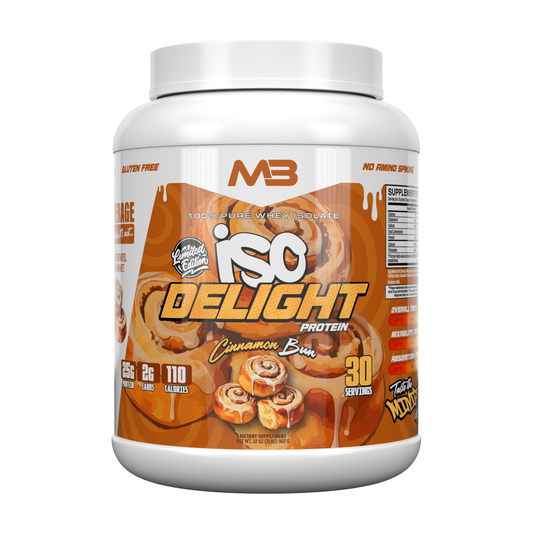
They offer a convenient way to get extra protein without preparing a full meal. Protein shakes also pair well with carbohydrate-rich foods like fruit or oats. Minibeast’s IsoDelight comes in a range of flavors, from Vanilla Bean to Chai Latte, making it tastier and more efficient to hit protein goals. It contains 90%+ protein per scoop compared to regular whey concentrate.
You can also add other dietary supplements, depending on your personal goals. For example, Overnight ShredZZZ EXTREME supports weight loss with a blend of 18 scientifically backed ingredients that activate a thermogenic response that metabolizes stored fat.
Just remember that these are supplements and snacks, not replacements for a balanced diet.
Whole foods provide a wider range of nutrients, so aim to get most of your nutrition from balanced meals. Use protein powders and bars when they make it easier to hit your nutrition goals.
When Should You Eat After a Workout?
You don't need to eat the second you finish your workout.
You may have heard people in the fitness space talk about the "anabolic window." That's the idea that you need to eat shortly after exercise to maximize muscle growth. Post-workout eating should happen within 30 to 60 minutes after exercise. You can keep eating for four to six hours post-workout.
Eating after a workout isn't that strict. A good approach is to eat a balanced meal within a few hours of training. This gives your body the protein, carbohydrates, and other nutrients it needs for recovery.
In reality, overall nutrition matters more than rushing to eat as soon as your workout ends. And what you ate beforehand matters, too!
If you had a protein-rich meal shortly before your workout, eating again immediately afterward may be less important. You can also improve your pre-workout routine with additional products, such as Fat Burning Cream. Apply the thermogenic body cream before a workout to target areas by increasing blood flow and boosting sweat.
On the other hand, if you trained on an empty stomach or haven't eaten for several hours, eating sooner may make more sense.
Does What You Eat Depend on Your Workout?
The basics of post-workout nutrition stay fairly similar for most exercises. But what food groups you prioritize can change depending on your training.

Strength Training
If you've been lifting weights, protein should generally be a priority.
Resistance training, such as weight lifting or the 8 Week Workout Challenge, targets your muscles, so enough protein gives your body the building blocks it needs for muscle repair and growth.
Once you've covered protein, add carbohydrates to replenish energy and make a more complete meal or snack.
Cardio and Endurance Training
Carbohydrates become particularly important after longer endurance workouts.
For instance, running, cycling, swimming, and similar activities can use large amounts of glycogen, and you need to replace it afterward.
Rehydration can also become especially important if you've been exercising for a long time or sweating heavily.
Once carbs and hydration are covered, consider protein, too. Your muscles still need to recover after a cardio session. Endurance training requires 20 to 30 grams of protein post-workout.
HIIT
High-intensity interval training can be more demanding.
A combination of protein and carbohydrates helps cover both sides of recovery after a HIIT workout.
And don’t just look at the food. You'll also want to replace fluids lost through sweat.
Conclusion
Post-workout nutrition may seem a little complicated at first, but with a little planning, you can fuel yourself well after working up a sweat. In short, Minibeast recommends prioritizing protein for muscle recovery, carbohydrates to replenish energy, and plenty of fluids to rehydrate.
Choose nutritious foods that fit your personal goals and routine. Then focus on getting your overall diet right to support you around the clock.
Frequently Asked Questions
What Is the Best Thing to Eat After a Workout?
A snack containing both protein and carbohydrates is a great choice after most workouts. Popular pairings include eggs and toast, chicken and rice, Greek yogurt and fruit, or another combination of the two food groups.
Should You Eat Immediately After Working Out?
Not necessarily. Eating within a few hours is suitable for many people, so you don’t need to gobble a protein bar while you’re still in the gym. How quickly you need to eat also depends on when you ate and what you ate before your workout.
What Should You Avoid Eating After a Workout?
There isn’t a list of forbidden foods for post-workout snacks. That said, regularly choosing foods with little nutritional value can make it harder to hit those goals. Try to prioritize foods that provide protein, carbohydrates, and other nutrients your body needs.
Keep Reading: 5 Easy At-Home Stretches for Your Glutes
--
Minibeast believes that everyone has the power to evolve into their best self. From state-of-the-art fitness equipment to comprehensive training programs, our brand is built for those who take their goals seriously. Through The Heart of Minibeast, 5% of every order helps feed families in need and support community programs. Get the latest workout tips, product updates, and fitness content by following us on Instagram, Facebook, YouTube, and TikTok.
–
These statements have not been evaluated by the Food and Drug Administration. These products are not intended to diagnose, treat, cure, or prevent any disease. The information provided on this website is for informational purposes only and is not intended as a substitute for professional medical advice, diagnosis, or treatment. Always seek the advice of a qualified healthcare provider with any questions you may have regarding a medical condition or before starting any new diet, exercise program, supplement, or using any fitness equipment or apparel. By using this site and its products, you acknowledge that you do so at your own risk. Use all products only as directed and discontinue use immediately if discomfort or adverse effects occur.