Does Cycling Build Glutes? Here's What the Science Says

Love cycling but wondering whether all that pedaling is helping you build your glutes?
Whether you're tackling hills outdoors or turning up the resistance on a stationary bike, cycling gives your lower body a workout. But does it actually make your glutes bigger?
Let's look at what happens to your muscles when you ride and how to get more from your workouts.
Key Takeaways
- Cycling activates your glute muscles and can improve lower-body strength and endurance.
- Hill climbs and higher resistance can increase glute engagement during a ride.
- Cycling alone is unlikely to produce significant glute muscle growth.
- Strength training exercises like hip thrusts and squats are better suited to building glute size.
- Combining cycling with resistance training, good nutrition, and recovery can support your fitness goals.
See More: Does Lifting Weights Burn Fat?
Does Cycling Build Glutes?
Carriejune, founder of Minibeast, says:
"Yes, cycling works your glutes and can help strengthen them, especially when you're riding uphill or using higher resistance. However, if your goal is to build noticeably bigger glutes, you'll generally get better results by combining cycling with targeted strength training."
Cycling engages several lower-body muscle groups, including your quadriceps, hamstrings, calves, and, of course, the glutes. These muscles work together to produce each pedal stroke, helping you move forward while keeping your hips and legs stable.
Regular cycling can improve muscular endurance and contribute to glute strength, particularly if you're new to exercise.
However, muscle activation doesn't automatically lead to or guarantee significant muscle growth. The type of training you do determines this.

What Glute Muscles Does Cycling Work?
It’s a common misconception, but your glutes aren't just one muscle. They're a group of three muscles that help control movement around your hip joint.
The gluteus maximus is the largest muscle in the group. It plays a major role in hip extension, which helps you push down through the pedals.
The other two, the gluteus medius and gluteus minimus, are smaller muscles that help stabilize your pelvis and control your leg position. The upper glute shelf consists of gluteus medius and gluteus maximus.
During cycling, these muscles work alongside your thigh muscles, hip flexors, and calf muscles. The quadriceps do much of the work during the downward phase of pedaling, while your glutes contribute to producing force and controlling your hips.
That's why cycling works more than just your legs! It's also great for cardiovascular fitness and burning fat.
How Does Cycling Activate Your Glutes?
Cycling activates your glutes, but it’s key to know that not every cycling session challenges your muscles in the same way.
Your glute activation can change depending on the resistance, terrain, riding position, and how much power you need to produce.
Here are four ways to increase glute engagement on the bike.
1. Tackle Hill Climbs
Ever noticed how much harder your legs work when cycling uphill? We bet you have!
Steep climbs require more force to keep the pedals turning, increasing the demands on your lower body.
Research and cycling experts suggest that uphill cycling can increase gluteus maximus activation compared with riding on flatter terrain.
One study found that gluteus maximus activation increased by around 12% during steep uphill cycling compared with riding on level ground.
If you're cycling outdoors, adding a few manageable hills to your route can help challenge your glutes and build leg strength.
2. Increase Your Resistance
On a stationary bike, turning up the resistance makes each pedal stroke more demanding.
Similarly, riding in a higher gear outdoors can increase the force required to pedal. This can encourage greater muscle recruitment, including from your glutes.
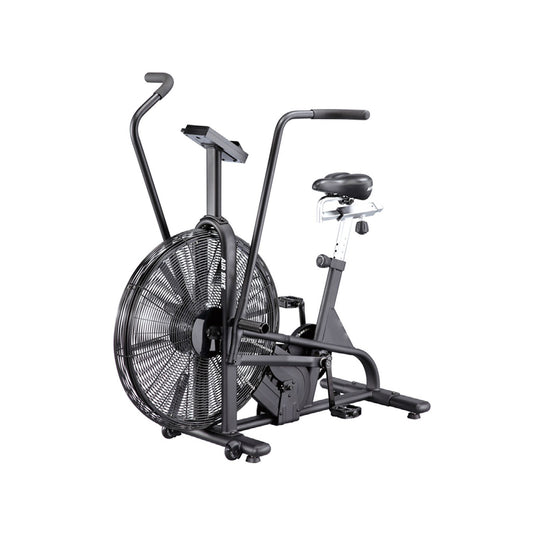
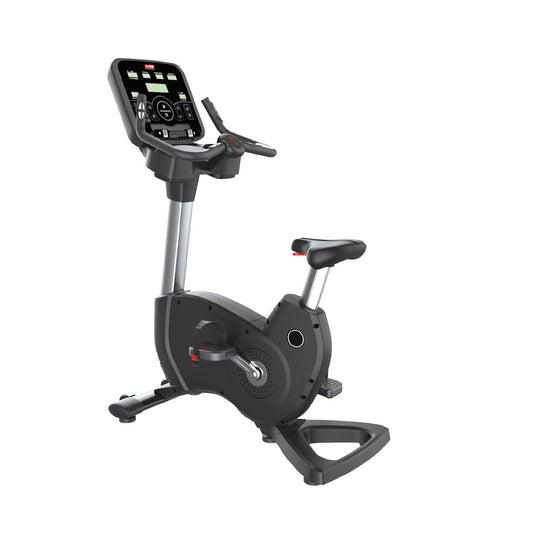
Minibeast's Endurance Series Bike offers a smooth—and silent!—ride, perfect for home gyms and high-end fitness spaces. Likewise, the Minibeast Air Bike uses air-driven resistance that scales naturally with user effort to help you work your glutes more effectively.
However, don't crank the resistance so high that your technique suffers. Start with a level you can control, especially critical if you’re a beginner, and increase it gradually.

3. Try Short Cycling Intervals
Interval training involves alternating harder efforts with easier recovery periods.
For example, you might cycle at a challenging resistance for 30 seconds, followed by 90 seconds of comfortable pedaling.
These short interval bursts can increase the demands on your leg muscles and help develop cycling fitness.
Just remember that working harder doesn't automatically mean your glutes will grow bigger. The human body requires a mix of training and nutrition.
4. Pay Attention to Your Riding Position
Lastly, your body position can affect which muscles work during cycling is another important factor.
Standing out of the saddle changes the demands of pedaling, while saddle height and bike fit can influence how comfortably and efficiently you move.
If your bike feels awkward or causes discomfort, consider having its setup checked.
Proper bike fit matters more than trying to force a particular position to target your glutes.

Does Cycling Build Glute Size or Just Strength?
Cycling can strengthen your lower body and improve muscular endurance, but those benefits aren't quite the same as building physically larger muscles.
Muscle growth, also called hypertrophy, happens when training provides enough stimulus for your muscle fibers to adapt over time.
Cycling is primarily an endurance activity. Although harder rides can challenge your muscles, regular cycling doesn't always provide the progressive overload needed for substantial glute development.
That's why someone who cycles regularly may have strong, well-conditioned legs without necessarily developing noticeably bigger glutes.
You might notice improved muscle definition as your body composition changes.
However, cycling doesn't let you choose where your body loses fat, and a more defined appearance isn't necessarily evidence of increased glute size.
If building glutes is your main goal, resistance training deserves a place in your routine or as one of your cycling targets.
Bonus: New to the Gym? Here's What to Know Before You Go
What Are the Best Glute Activation Exercises Alongside Cycling?
You don't need to give up on cycling to grow your glutes; it’s a great workout in itself.
But adding a few targeted exercises can help you develop strength and muscle mass while continuing to enjoy your rides.
In fact, research comparing hip thrusts and squats found that both exercises produced similar glute muscle growth over nine weeks of training.
Hip Thrusts
Hip thrusts are a popular choice for targeting the gluteus maximus.
They involve extending your hips against resistance, often using a barbell, dumbbell, or machine.
Start with a manageable weight, not heavy loads, and focus on controlled movement rather than rushing through repetitions.
Want to mix up your glute workouts? Minibeast's Ultimate All-In-One Gym Machine lets you switch between exercises like hip thrusts, squats, and cable kickbacks.
Banded Glute Bridges
A banded glute bridge is a simple exercise you can do at home or before a cycling session.
Lie on your back with your knees bent, place a resistance band above your knees, and lift your hips while keeping your movement controlled.
Glute activation drills like these can help you practice engaging the muscles before a workout.
Squats
Squats train several lower-body muscle groups, including your glutes and quadriceps. They're a gym favorite.
You can begin with bodyweight squats before progressing to free weights as your strength improves.
If you're training at home, Minibeast's 100lb Adjustable Dumbbells offer a convenient way to add resistance as your strength improves.
For muscle growth, gradually increasing the challenge over time is more important than lifting heavy weights straight away. Many cyclists start slow and build up.
Single-Leg Exercises
Lunges and step-ups are useful additions to your off-bike resistance training.
These single-leg movements challenge each leg individually and can help develop lower-body strength and control.
Generally, you should choose exercises that suit your experience, whether from the four above or not, and allow enough recovery between demanding sessions.
Remember to stretch your glutes to keep them flexible and functional!

How Can You Maximize Glute Development While Cycling?
Despite what amateurs often think, stronger glutes take more than simply spending extra hours on your bike.
A few training habits can make a difference, as suggested by personal trainers:
- Combine regular cycling with targeted strength training
- Gradually increase resistance or training difficulty as you get stronger
- Eat enough protein to support muscle repair and growth
- Allow time for recovery between challenging workouts
- Track your progress through strength and performance measurements
If you're a beginner, two or three strength training sessions per week can be a manageable starting point, depending on your overall routine.
Supplements, like IsoDelight Protein, Minibeast’s isolate protein engineered to provide fast-absorbing protein with a wide variety of flavors, can make it easier to develop your glutes while you ride.
Note that you don't have to train your glutes every day. Giving your muscles time to recover is part of the process, and you must rest your body.
And don't forget to enjoy your cycling sessions! It’s easy to optimize everything, especially with today’s tech and connectivity, and that’s awesome. However, make sure you feel good while cycling, too.
Conclusion
Cycling works your glutes and can improve strength and endurance, especially during challenging rides with intense pedaling motion.
However, for noticeable glute growth, combine your time on the bike with progressive strength training, balanced nutrition, and proper recovery between sessions.
Frequently Asked Questions
Does Indoor Cycling Build Glutes?
Indoor cycling activates your glutes, particularly when you increase resistance or perform challenging intervals. However, stationary bike workouts are generally better for muscular endurance than significant glute growth. Add resistance training if building bigger glutes is your number one priority.
Does Cycling Make Your Bum Bigger?
Cycling can strengthen your glutes, but it doesn't usually produce a dramatic increase in muscle size on its own around your booty. Changes in your bottom appearance may also reflect differences in body fat and muscle definition.
Is Cycling or Walking Better for Building Glutes?
Both activities use your glute muscles, but cycling can place greater demands on them when you ride uphill or against higher resistance. Neither is typically as effective for building glute size as progressive resistance exercises like squats and hip thrusts.
Keep Reading: Does Leg Press Work Your Glutes?
--
Minibeast believes that everyone has the power to evolve into their best self. From state-of-the-art fitness equipment to comprehensive training programs, our brand is built for those who take their goals seriously. Through The Heart of Minibeast, 5% of every order helps feed families in need and support community programs. Get the latest workout tips, product updates, and fitness content by following us on Instagram, Facebook, YouTube, and TikTok.
–
These statements have not been evaluated by the Food and Drug Administration. These products are not intended to diagnose, treat, cure, or prevent any disease. The information provided on this website is for informational purposes only and is not intended as a substitute for professional medical advice, diagnosis, or treatment. Always seek the advice of a qualified healthcare provider with any questions you may have regarding a medical condition or before starting any new diet, exercise program, supplement, or using any fitness equipment or apparel. By using this site and its products, you acknowledge that you do so at your own risk. Use all products only as directed and discontinue use immediately if discomfort or adverse effects occur.