Does Lifting Weights Burn Fat?

Have you recently heard that cardio is the only way to burn fat? Well, it’s time to think again.
Lifting weights is sometimes written off as just a way to build bigger muscles. But weights are not a one-trick pony; they can also help you burn calories and reduce body fat.
We break down how weight training actually supports fat loss below.
Key Takeaways
- Lifting weights burns calories and can help reduce body fat over time.
- Building muscle supports your metabolism and improves body composition.
- Cardio generally burns more calories during a workout, but strength training helps maintain muscle mass.
- Combining regular exercise with balanced nutrition and a sustainable calorie deficit can support fat loss.
See More: What to Eat After a Workout for Nutrition and Recovery
Does Weight Lifting Burn Fat?
Carriejune, founder of Minibeast, says:
"Yes, lifting weights can help you burn body fat by burning calories and building muscle. While you might initially gain weight as you start strength training, this doesn't necessarily mean you're gaining fat. Over time, weightlifting can help improve your body composition, even if the number on the scale doesn't change much."
Lifting weights does burn calories and can help you lose body fat, especially when the resistance workouts are combined with healthy eating habits and consistency.
Unlike cardio exercises (e.g., running or cycling), which primarily focus on cardiovascular endurance, weight lifting challenges your muscles against resistance. This requires energy during your workout and helps build or maintain lean muscle mass.
A review of resistance training in healthy adults suggested that it can reduce body fat percentage and visceral fat in healthy adults.
However, before we continue, we must clarify that there's an important difference between losing weight and losing fat.
Your weight includes muscle, fat, water, and other tissues, all in addition to body fat.
So, even if the number on the scale stays the same, you could still be improving your body composition or gaining weight due to building muscle.

How Does Weightlifting Help Burn Body Fat?
Weightlifting supports fat loss in several ways. Some of these benefits happen during your workout, while others develop in time as you become stronger and build muscle.
The four main ways weight training helps to burn body fat include:
1. You Burn Calories During the Workout
Every time you lift a dumbbell or complete a set of rows, your body uses energy.
The number of calories burned during a weightlifting session depends on several factors, including:
- Your body weight
- Workout duration
- Exercise intensity
- Weights used
- Rest periods between sets
Exercises that involve multiple muscle groups, such as squats and deadlifts, can be particularly demanding.
However, lifting heavier weights doesn't automatically mean you'll burn more calories. Your total workout volume and how much time you spend moving also matter.
Make sure you choose resistance exercises that challenge you, while allowing you to maintain proper form.
2. Building Muscle Supports Your Metabolism
One of the biggest advantages of strength training is that it helps you build more muscle.
As Minibeast founder Carriejune explains:
“Our body breaks down protein, and all that’s left are these amino acids, which are used to grow muscle, repair, and do a ton of other functions.”
Muscle tissue requires energy to maintain, even when you’re still. This means that having more muscle mass can slightly increase the number of calories your body can burn throughout the day.
Your basal metabolic rate (BMR) is the energy your body uses for essential functions, like breathing. Your resting metabolic rate is a closely related measure of how much energy your body uses at rest.
Experts suggest that every pound of muscle burns an extra 6 to 10 calories daily at rest, and weightlifting also increases your metabolism for hours after workouts.
It's also known that muscle tissue is more metabolically active than fat tissue.
So, building and maintaining muscle supports your long-term fitness goals and overall well-being.
3. Weightlifting Improves Body Composition
When people talk about weight loss, they're often thinking about reducing body fat.
However, losing weight doesn't always mean losing fat, as depending on your diet and other exercise habits, you may also lose muscle mass.
Resistance training helps protect muscle while you're working toward fat loss. This can improve your body composition—the proportion of fat and lean tissue in your body.
For example, you might notice that your clothes fit differently or your muscles look more defined, even if your body weight hasn't changed much.
That’s why sports scientists suggest tracking multiple methods in addition to the scale.
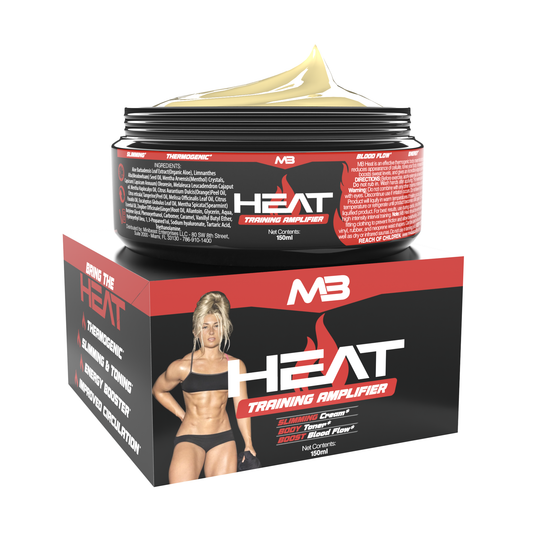
Minibeast also offers products like MB Heat Fat Burning Cream, a thermogenic cream that aids fat breakdown and enhances sweating, for those pursuing their body composition goals.

4. You Burn More Calories After Training
Did you know your body continues using extra energy after certain workouts?
This is partly due to something called excess post-exercise oxygen consumption (EPOC). Higher intensity workouts can lead to greater EPOC effects, which can last for up to 48 hours after you finish.
After a challenging weightlifting session, your body needs energy to return to its normal resting state.
The extra calorie burn varies with workout intensity and duration. It's generally a relatively small contribution to total daily energy expenditure.
So, while the afterburn effect is real, it shouldn't be your main reason for lifting weights.
Is Weightlifting or Cardio Better for Fat Loss and Calorie Burn?
Both weightlifting and cardio can support fat loss, but they work in slightly different ways.
Cardio workouts, such as running, cycling, and swimming, generally burn more calories during a comparable exercise session.
Research has found that cardio burns more calories per minute. Also, cardio activity increases calorie expenditure, improves cardiovascular health, and can help lower blood pressure.
Weight training, on the other hand, helps build or preserve lean muscle mass while improving strength. It also improves body composition.
Combining both offers a practical way to support fat loss and overall fitness—and trainers often recommend circuit training as a perfect middle ground, as this workout mixes strength and cardio for a higher calorie burn.
Research comparing different exercise approaches has explored how cardio, weightlifting, and combining both affect body fat and weight loss. The results show a mix of benefits, so you do not have to choose between them to meet your goals.
For example, you could complete strength training sessions a few days per week and add running or other aerobic exercise on separate days.
High-intensity interval training (HIIT) is another option, although it's not essential for losing fat.
Don't worry about trying to tick every workout box. The best exercise program is one you enjoy enough to follow consistently.
Bonus: 10 Ways to Style Your Gym Leggings in 2026

Can Lifting Weights Help You Lose Belly Fat?
Yes, weightlifting can help reduce overall body fat, including abdominal fat and your waist circumference.
However, there's one thing to know before you approach the bench. You can't choose exactly where your body loses fat.
Doing endless crunches won't automatically remove belly fat, just as lifting weights won't target fat in one specific area.
Abdominal fat also comes in different types.
Subcutaneous fat sits beneath your skin, while visceral fat surrounds organs deeper inside your abdomen. Research suggests that resistance training can help reduce visceral fat, including in studies involving obese adults.
Note that belly fat loss results vary between individuals and depend on other factors, too.
General advice is to focus on one body part and aim to improve your overall fitness through regular exercise and balanced nutrition.
What Are the Best Weightlifting Exercises for Fat Loss?
There isn't one special weightlifting exercise that burns the most fat.
Many personal trainers focus on exercises that work multiple muscle groups at once, as these can make your strength training sessions more efficient.
Here are a few useful options to consider:
Squats and Lunges
Squats and lunges strengthen your lower body, including your quadriceps and glutes.
Plus, there’s an easy starting point. You can begin with your own body weight before progressing to dumbbells or barbells.
Always focus on controlled movements and a comfortable range of motion.
Deadlifts and Hip Hinges
Deadlifts and other hip-hinge movements strengthen muscles around your hips, legs, and back.
They can also build functional strength for everyday activities, which is a welcome bonus that helps you feel stronger day to day.
If you're new to weight lifting, practice the movement with light weights and ask a trainer to check your technique.
Chest Presses and Rows
Chest presses and rows are great additions to an upper-body workout.
Chest presses primarily train pushing muscles, while rows strengthen pulling muscles in your back and arms.
You can perform these exercises using free weights or resistance machines.
No matter which weightlifting exercises you choose, remember that it's a common misconception that you should lift heavy weights to benefit from strength training.
Start with manageable resistance and gradually increase the challenge as your technique improves.

How Often Should You Lift Weights to Burn Fat?
For most beginners, 2 or 3 weightlifting sessions a week is a good starting point.
This schedule gives you time to work different muscle groups while allowing for recovery between challenging workouts. Perfect for day-to-day life flexibility and proper rest.
You could start with a simple schedule with full-body strength training on Mondays and Wednesdays, and then a cardio session on Friday.
As your muscle endurance and strength improve, you can then gradually increase the weights or training volume.
Tempted to hit the gym day after day to build lean muscle and lose weight?
Remember, consistency is more important than squeezing in as many workouts as possible. You'll have better progress and more energy.
How Can You Maximize Fat Loss While Lifting Weights?
Lifting weights is a great starting point, and an exciting one at that, but your daily habits also play an important role in fat loss.
Here are five ways to support your progress.
1. Maintain a Sustainable Calorie Deficit
A calorie deficit happens when you consume less energy than your body uses over time.
This encourages your body to draw on stored energy, including body fat.
A calorie deficit alone can also lead to fat loss without resistance training, but you may also lose muscle.
You should avoid extreme calorie restrictions. Focus on balanced meals and an approach you can maintain, and if in doubt, seek guidance from a professional for personalized advice.
2. Eat Enough Protein
Protein supports muscle repair and growth after resistance exercise.
There are plenty of protein foods around these days, and it's not just a trend or buzzword. Research shows that it's key to a healthy diet.
Including protein-rich foods and supplements throughout the day can help you maintain muscle and feel satiated while losing weight, and often they do not include as many calories as alternative snack foods.
3. Combine Strength Training With Cardio
Adding cardiovascular exercise can increase your overall physical activity and calorie expenditure.
Do not overexercise, though. You don't need intense cardio workouts every day. Walking, swimming, running, or cycling once or twice a week all contribute.
You can also mix it up with HIIT classes or even high-energy dance workouts, such as Zumba.
Cardio burns energy no matter what form it comes in! You can achieve a higher calorie burn through a mix of intense cardio and weight training.
4. Prioritize Sleep and Recovery
Your muscles need time to recover after challenging workouts, whether you weightlift or hit the treadmill.
We understand that this can feel frustrating, especially if you've got the workout bug. But you must pace yourself.
Get enough sleep and allow rest between demanding training sessions. You’ll thank yourself later.
5. Track More Than Your Weight
The scale doesn't tell the whole story when it comes to weightlifting workouts.
You might be losing fat, but if you build muscle, the scale won’t necessarily go down.
If you want to track fat loss, monitor your strength, workout performance, waist measurements, or how your clothes fit.
These changes can help you recognize progress and what your body burns even when your weight stays relatively stable.
Conclusion
Lifting weights can help you burn fat while also promoting lean muscle growth and improving your body composition.
The effects, however, are most potent when combined with consistent training and balanced nutrition.
Frequently Asked Questions
How Many Calories Does Weightlifting Burn?
The number of calories burned depends on your body weight, workout duration, intensity, and rest periods. A longer or more demanding session may burn more calories, but no single number applies to everyone, and you may need a device, such as a fitness tracker, to estimate your own burn.
Can You Lose Body Fat by Lifting Weights Without Cardio?
Yes. You can lose body fat through weightlifting without dedicated cardio workouts, particularly if you maintain a sustainable calorie deficit and create a regular training plan. However, aerobic exercise offers additional cardiovascular benefits that weightlifting cannot always provide.
Does Lifting Heavy Weights Burn More Fat?
Not necessarily. Lifting heavier weights can build strength, but fat loss depends on your overall energy balance and activity level. Never jump straight into the heaviest weights. Choose weights that challenge your muscles without compromising proper form.
Keep Reading: 7 Tips to Help You Start Going to the Gym
--
Minibeast believes that everyone has the power to evolve into their best self. From state-of-the-art fitness equipment to comprehensive training programs, our brand is built for those who take their goals seriously. Through The Heart of Minibeast, 5% of every order helps feed families in need and support community programs. Get the latest workout tips, product updates, and fitness content by following us on Instagram, Facebook, YouTube, and TikTok.
–
These statements have not been evaluated by the Food and Drug Administration. These products are not intended to diagnose, treat, cure, or prevent any disease. The information provided on this website is for informational purposes only and is not intended as a substitute for professional medical advice, diagnosis, or treatment. Always seek the advice of a qualified healthcare provider with any questions you may have regarding a medical condition or before starting any new diet, exercise program, supplement, or using any fitness equipment or apparel. By using this site and its products, you acknowledge that you do so at your own risk. Use all products only as directed and discontinue use immediately if discomfort or adverse effects occur.