7 Tips to Help You Start Going to the Gym

Starting at the gym can feel intimidating, especially when you're completely new, surrounded by unfamiliar equipment and people who seem to know exactly what they're doing. But everyone starts somewhere.
Whether you want to build muscle, lose weight, or feel stronger in everyday life, this guide will help you take your first steps with confidence.
Key Takeaways
- Start with realistic fitness goals that match your current fitness level.
- Follow a simple workout plan and focus on proper form before lifting heavy weights.
- Begin with two or three gym sessions per week and allow time for recovery.
- Feeling nervous is normal. Learning the basics and building a routine can help you stay consistent and build confidence.
See More: 5 Easy At-Home Stretches for Your Glutes
How to Start Going to the Gym as a Beginner?
Carriejune, founder of Minibeast, says:
“The best way to start going to the gym as a beginner is to choose a gym that feels comfortable, set realistic fitness goals, and most importantly, to start with a simple workout routine. Focus on manageable sessions and proper form to help you build confidence as you get to know the equipment!”
"There are plenty of ways to fit exercise into your daily routine, from small tricks to reduce friction and increase motivation to dedicated workout challenges that provide everything you need for a tailored fitness routine."
The best way to start going to the gym is to set realistic goals and choose a gym where you feel comfortable. It’s also a good idea to follow a beginner-friendly workout plan.
Many newcomers are tempted to jump into intensive workout plans, but experts recommend starting with manageable sessions while you learn to use the equipment safely. Doing so helps you gradually build confidence.
You don't need to be fit before joining a gym. In fact, that's exactly what the gym is there for!

7 Tips to Help You Start Going to the Gym
Ready to get started? Based on sports science research, these seven tips will help you feel more prepared for your first gym sessions while also promoting healthy habits.
1. Set Realistic Goals For Your Fitness Level
Before you sign up for a gym membership, think about what you want to achieve.
Are you hoping to build muscle, improve your strength, lose weight, or increase your overall fitness? Studies suggest that setting clear goals can help increase physical activity, while tracking your progress can help you stay focused.
That said, many beginners make the mistake of expecting dramatic changes straight away.
Instead, it’s good to start at the gym with realistic goals that feel manageable. For example, you might aim to complete two gym sessions per week for your first month or learn five basic strength exercises with the correct technique.
Do not be overwhelmed! For now, pick one goal, then focus on showing up and building confidence.
2. Choose a Gym That Works for You
Finding the right gym can make a big difference to your experience, especially when you've never even stepped in one before.
If you have not found somewhere yet, look for somewhere that's convenient, affordable, and has the gym equipment you need. If possible, visit before committing to a monthly membership.
Consider the following:
- Location
- Opening hours
- Equipment
- Professional support
- Atmosphere
Some gyms also provide beginner sessions or access to a personal trainer. There are no silly questions when you’re new.
The best gym for you isn't necessarily the biggest or most fashionable. Fitness experts instead suggest that it's one you feel at home in.
3. Create a Beginner-Friendly Workout Plan
Walking into the gym without a plan can leave you wondering what to do next.
Freestyling is tempting, but a simple plan gives your sessions structure and helps you make the most of your time.
For most beginners, a full-body strength training routine is a practical place to start. This means working several major muscle groups during each session rather than focusing on one area.
Your workout could include squats for the lower body, a chest press for the upper body, planks for the core, and then some treadmill or cycling for cardio.
These mixed exercises also introduce basic movement patterns, such as pushing, pulling, and squatting.
For extra organization, a fitness app or written workout log can help you remember your routine for your next workout.
You can try a professional plan, like Minibeast’s 8 Week Workout Challenge, that provides structure through five full workout programs to help you perform your best.
Bonus: What to Eat After a Workout for Nutrition and Recovery

4. Get Familiar With Equipment and Proper Form
Gym equipment can look confusing when you're new, but you don't need to master everything at once, even if you’re tempted to.
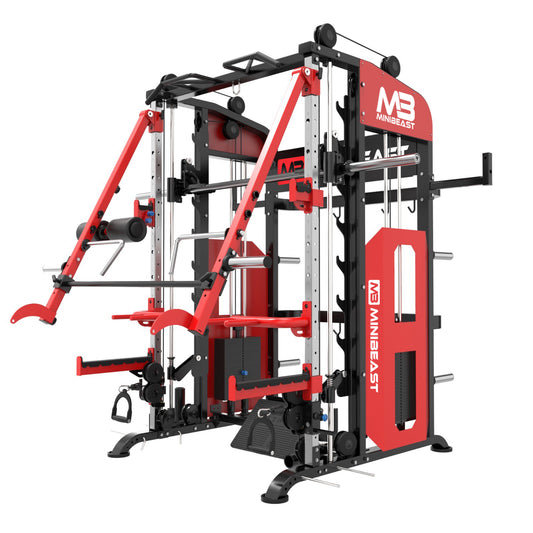
Start by learning how a few strength machines work. Many have diagrams showing which muscles they target and how to adjust the settings to help reduce your risk of injury.
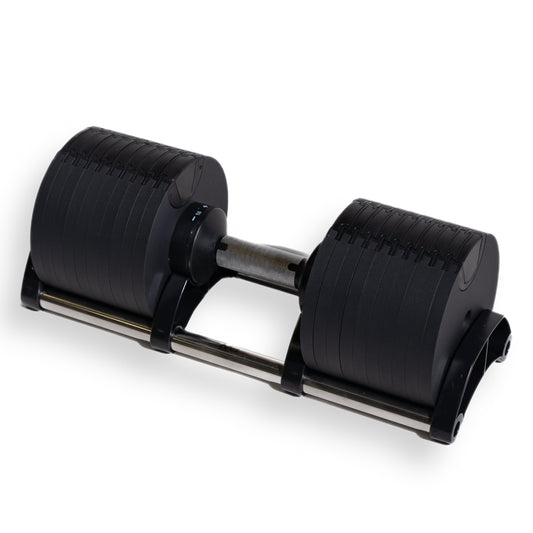
Free weights, such as dumbbells, are another option. They let you do a wide range of exercises, but they may require more practice to control. Minibeast’s Adjustable Dumbbell ranges from 10 to 100 pounds to cater to all experience levels.
Whatever equipment you choose, always prioritize proper form over lifting heavy weights.
For example, when squatting, keep your feet planted and avoid using more weight than you can comfortably manage.
If you're unsure about the correct technique, ask a qualified personal trainer or gym instructor for guidance. They're there to help you build strength and tackle new movements in a safe environment.
As a final tip, use the gym mirrors to check your alignment as you move. They're there for a reason.
5. Address and Manage Gym Anxiety
Feeling nervous about your first gym visit? Putting it off because you’re not sure what to expect? You're definitely not alone.
Gym anxiety is common among beginners, particularly when you're worried about using equipment incorrectly or feeling out of place in a new environment.
Frequent gym users might seem like pros, but even they felt like this at the beginning, and many report that their confidence improved as the environment became more familiar.
If you are very nervous, you may want to try visiting during quieter hours when fewer people are training. It’s also normal to ask for a gym tour before your first workout, which can help you plan your exercises before you arrive.
For some people, dressing in new gym clothes can help to boost self-esteem. This is not strictly necessary for everyone, but a new pair of gym shoes or seamless scrunch leggings can make a difference to how you feel.
Make sure any gym clothing is flexible and fits well. You should focus on breathable fabrics where possible. Likewise, opt for durable shoes that support your stability.
Lastly, you don’t have to go alone! You can bring a friend for extra support.

6. Build a Realistic Gym Schedule
Consistency matters more than doing everything at once.
For most beginners, starting with 2 or 3 gym sessions per week is manageable. For example, you could train on Monday and Wednesday, with an optional lighter workout on Friday.
Aim for shorter sessions of about 30 to 45 minutes, and allow time to recover between workouts. As your fitness level improves, gradually increase your workout duration or intensity.
And don't skip over rest days. You should rest muscle groups for around 48 hours before hitting the gym to retrain.
The key is to stay consistent and build a routine that fits your lifestyle—and what you genuinely enjoy.
7. Track Your Progress and Stay Consistent
Progress doesn't always mean lifting heavier weights or seeing physical changes. When you start going to the gym, focus on small achievements to stay motivated.
Maybe you feel more comfortable using gym equipment after a few weeks, notice you can do an extra repetition, or finish a workout without needing as many breaks.
Try recording your exercises, weights, repetitions, and how you felt after each session. You can use a notebook or fitness app to track progress as you grow stronger.
Over time, you'll see how your strength and fitness have developed, which can, in turn, boost your self-esteem. This data can also help you plan your next session and inform your recovery days.
Most importantly, don't forget the golden rule: don’t compare your fitness journey to someone else's. Most people fall into this trap at least once, so don't be too hard on yourself if you do find yourself comparing your training days with another's.
Focus on your own progress! Stand tall and celebrate that you're showing up and seeing results.

What Should Most Beginners Do on the First Day at the Gym?
Your first gym session is all about getting comfortable.
Bring workout clothes, supportive shoes, water, and a towel. Start with 5 to 10 minutes of light walking or cycling to warm up.
Next, try a few beginner-friendly exercises using gym equipment or light weights. Focus on mastering form rather than intensity. Remember, you can ask staff for an introduction if you are unsure.
Finish with a gentle cool-down and congratulate yourself for taking the first step!
What Are Common Gym Mistakes Beginners Should Avoid?
Many beginners try to do too much too soon. While the attitude is great, it’s best to be realistic.
Here are some common mistakes to avoid:
- Lifting weights that are too heavy
- Skipping your warm-up
- Exercising with poor form
- Not allowing enough recovery time
- Expecting immediate results
- Using equipment without a tutorial
You might want to lift heavy weights, but you cannot get there if you do not focus on learning the basics and building good habits!
Conclusion
Joining a gym is the beginning of an exciting new chapter for you and your body.
Before you hit the weights, take small steps, build confidence, track your workouts, and stay consistent as you work toward your first fitness goals.
Frequently Asked Questions
How Often Should a Beginner Go to the Gym?
Two or three gym sessions per week can be a good starting point for many beginners. Make sure to include rest days between demanding strength workouts and gradually adjust your plan as your fitness improves.
How Long Should a Beginner Gym Workout Be?
A beginner gym workout often lasts around 30 to 45 minutes, including a warm-up. Shorter sessions are also fine, especially while you're learning exercises and getting used to the fitness machines.
How Do I Overcome Gym Anxiety?
You can overcome gym anxiety by visiting during quieter hours, planning your workout before arriving, or asking staff to show you around before you start (sometimes called a gym induction). You can also bring a friend or start with familiar equipment until you feel more comfortable at the gym.
Keep Reading: 10 Ways to Style Your Gym Leggings in 2026
--
Minibeast believes that everyone has the power to evolve into their best self. From state-of-the-art fitness equipment to comprehensive training programs, our brand is built for those who take their goals seriously. Through The Heart of Minibeast, 5% of every order helps feed families in need and support community programs. Get the latest workout tips, product updates, and fitness content by following us on Instagram, Facebook, YouTube, and TikTok.
–
These statements have not been evaluated by the Food and Drug Administration. These products are not intended to diagnose, treat, cure, or prevent any disease. The information provided on this website is for informational purposes only and is not intended as a substitute for professional medical advice, diagnosis, or treatment. Always seek the advice of a qualified healthcare provider with any questions you may have regarding a medical condition or before starting any new diet, exercise program, supplement, or using any fitness equipment or apparel. By using this site and its products, you acknowledge that you do so at your own risk. Use all products only as directed and discontinue use immediately if discomfort or adverse effects occur.