Can I Really Use Coffee As a Pre-Workout?

You might think of coffee as just a delicious pick-me-up before you head into work. But it might also be a helpful option before a workout if you don't have access to a dedicated pre-workout supplement.
Key Takeaways
- Research suggests that caffeine can enhance exercise performance.
- Coffee contains caffeine, and caffeine is included in many pre-workout formulas.
- High-quality pre-workout formulas contain other helpful ingredients beyond caffeine, like L-Citrulline and beta-alanine.
- Caffeine can undermine sleep, so you shouldn't consume it too close to bedtime, even if you're working out in the evening.
- You can get zero-stim pre-workout formulas that support exercise performance without any caffeine.
See More: 10 Best Adjustable Dumbbells to Elevate Your Home Workouts
Is Coffee a Good Pre-Workout Drink?
Carriejune, founder of Minibeast, says:
"Coffee contains caffeine, which is a staple ingredient in many pre-workout formulas. But high-quality pre-workout formulas also contain many other potentially helpful ingredients, which coffee lacks."
Pre-workout is one of the most popular and widely used exercise supplements. People take it to enhance exercise performance.
There are many different kinds of pre-workout formulas, some higher quality than others. But some people use a formula you might recognize. They take coffee as a pre-workout.
Can you incorporate coffee into your pre-workout routine? The short answer is yes. A pre-workout coffee can provide various potential benefits for your workout. That's why caffeine is so often included in high-quality pre-workout formulas.
Of course, that depends on the kind of coffee you're drinking. A cup of black coffee or cold brew is very different from a cup filled with added sugars, artificial sweeteners, or other potentially unhelpful ingredients.
More importantly, is a cup of coffee a better pre-workout than a dedicated pre-workout formula? For most people, the answer is probably no. High-quality pre-workout formulas contain many other ingredients beyond caffeine, each with specific potential benefits. Taking coffee alone means losing out on all of those potential benefits.
There are also plenty of people with caffeine sensitivity, and those whose workout routine puts exercise in the evening. If that's you, caffeine probably isn't a good idea at all. You'll want a pre-workout formula without caffeine.
We'll break down the specific advantages high-quality pre-workout formulas have over coffee later. First, we need to explain why drinking coffee could technically support your workout.

How Drinking Coffee Might Support Your Workout
Coffee is one of the most widely used stimulants. It contains caffeine, which is a potent central nervous system stimulant.
A typical serving of coffee usually contains about 80-100 mg of caffeine. But that depends on where you get your coffee, or how much coffee you add to your cup.
Research suggests that consuming caffeine can support and enhance workout performance in a few ways.
Bonus: 7 Vitamins That May Help With Weight Loss
Energy Levels
Coffee is used around the world as a natural energy booster. People take coffee for an energy boost, to reduce the sensation of exertion during exercise, and to delay fatigue.
One 2025 review of dozens of independent studies found an association between taking caffeinated pre-workout and enhanced endurance and energy.¹
Studies have also found that caffeine can delay fatigue and help people perform more reps of an exercise.²
In other words, drinking coffee before a workout might make that workout feel easier than it otherwise would have.
Enhanced Focus
People also take coffee to sharpen focus. That's more important during exercise than you might think. Focus is key for maintaining a mind-muscle connection, which helps make workouts more efficient, and for maintaining good form, which helps avoid injury.
Research has found that caffeine consumption before exercise can enhance cognitive function.³

Athletic Performance
You can probably see why more energy, improved endurance, and sharper focus might enhance physical performance. Research also suggests that caffeine intake can enhance exercise performance in even more tangible ways.
For example, one study found that participants given a caffeinated pre-workout supplement demonstrated improvements in peak and mean power values during their workout.⁴ Another study found that a similarly caffeinated pre-workout helped participants bench press a higher weight for more reps.⁵
Some studies have also found that caffeine can reduce the sensation of muscle pain during intense workouts, like a workout challenge.⁶
Recovery
Muscle recovery is a key part of exercise. It's when your muscles actually become larger and stronger.
Some research suggests that caffeine may support muscle recovery.⁷
Fat-Burning
If your goal with exercise is to burn fat, caffeine may be your friend. It's a thermogenic compound, which means it may help raise your resting energy expenditure. That means potentially burning more calories while at rest. Burning more calories than you consume is crucial for fat loss.
Some research also suggests that caffeine can help the body break down fat stores.8 That may help with endurance, as fat is converted into energy. It may also help with fat burning in general.
When to Drink Coffee Before a Workout
When you drink coffee, how long does it take for you to start feeling the effects? Ideally, you want to give yourself enough time for the effects to peak right as you are tackling your workout.
Generally, caffeine peaks in the bloodstream about 30-45 minutes after consumption. The exact timeframe varies between individuals. In some people, it might peak sooner, and in others, later.
For that reason, experts generally recommend drinking coffee 30-60 minutes before your workout.
How much caffeine you should take also depends on a few factors. One is your tolerance. Another is your body weight.
Experts usually recommend aiming for 3-6 mg of caffeine per kilogram of body weight, or 1.3 - 2.7 mg per pound of body weight.
If you aren't sure, it's a good idea to start with a smaller dose. If you don't feel it, you can always take more.

Potential Downsides of Coffee Consumption Pre-Workout
Taking too much caffeine can cause unpleasant side effects. Too much coffee can cause jitters, an increased heart rate, and digestive issues like bloating or constipation.
Excessive caffeine can also interfere with your sleep, especially if you take it too close to bedtime. Quality sleep is absolutely crucial for recovery, so it's important not to undermine it.
Coffee beverages generally contain lots of water. But drinking lots of caffeine may lead to dehydration. Make sure to drink plenty of water, especially if you're going to be sweating lots during your workout.
Some people are naturally more sensitive to caffeine. For them, even small amounts of caffeine may cause these or other side effects. If that sounds familiar, you might prefer to take a pre-workout formula without any caffeine at all.
What Coffee Misses
As we mentioned at the start, high-quality pre-workout formulas contain a lot more than just caffeine.
For example, some contain certain amino acids, like L-Citrulline and Beta-alanine. Research suggests that L-Citrulline can enhance performance and reduce feelings of exertion, and beta-alanine can improve endurance and performance.9
Cost
You should also consider cost. Home-made brewed coffee is pretty cheap. But if you're buying your pre-workout cup, the cost can quickly stack up.
Grabbing a bulk package of pre-workout formula could well end up providing more benefits for your buck in the long run.
Where to Get High-Quality Pre-Workout Supplements
This doesn't mean you should grab any old pre-workout formula. Just like coffee, some pre-workout supplements are better than others. You don't want one packed with filler ingredients.
Instead, look out for a high-quality blend that includes research-backed ingredients, like L-Citrulline and beta-alanine.
With Caffeine
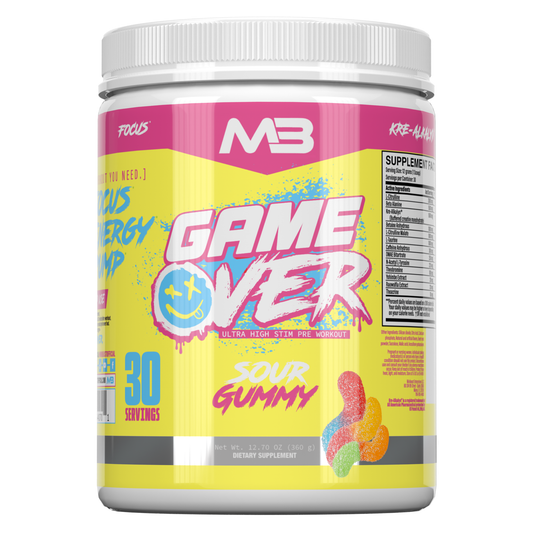
If you want the potential benefits of caffeine, grab a high-stim pre-workout like Game Over. It's got loads of caffeine to help push you through your most intense workout, plus other potent ingredients like L-Citrulline and beta-alanine.
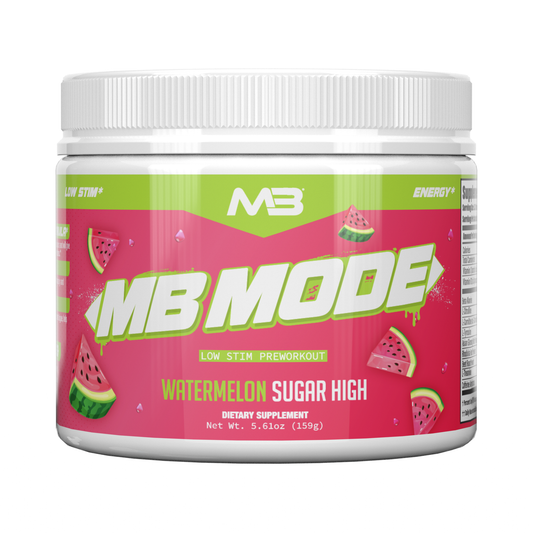
If you're a little caffeine-sensitive but still want some stimulation, grab a low-stim pre-workout formula like MB Mode. There's enough caffeine for a lift, plus other supportive ingredients like beta-alanine.
Without Caffeine
Some people can't handle caffeine at all. Others work out in the evening, when consuming coffee might undermine sleep and therefore recovery.
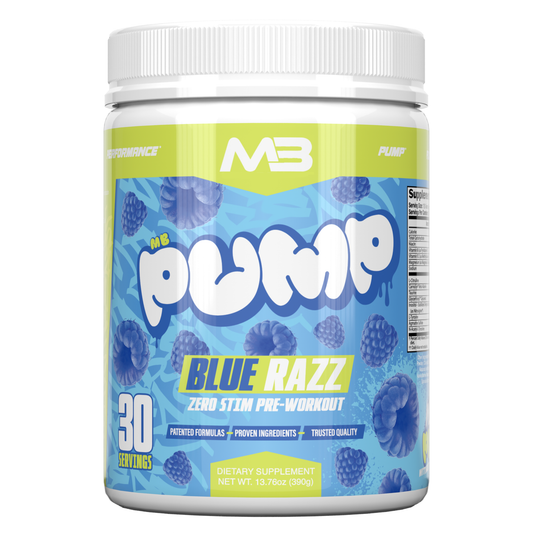
If that's you, consider a zero-stim pre-workout like MB Pump. It's specifically designed to enhance focus and performance without any stimulants like caffeine.
Conclusion
Coffee contains caffeine, which may support and enhance exercise performance. You could take it as a pre-workout, but you'd be missing out on the potential benefits of many other ingredients included in high-quality pre-workout formulas. And you should avoid caffeine if you're working out close to bedtime, because it can undermine sleep.
Frequently Asked Questions
Can I Drink Coffee Instead of Pre-Workout?
Technically, yes. Caffeine is included in many pre-workout formulas and is thought to provide several benefits for workouts. However, high-quality pre-workout formulas also contain various other helpful ingredients, which are not present in coffee.
Is It Good to Drink Coffee Before a Workout?
If you can handle caffeine, drinking coffee before a workout might be helpful. Research suggests that caffeine can enhance exercise performance. However, you shouldn't drink caffeine too close to bedtime, as it can undermine sleep.
What Is the 2-Hour Coffee Rule?
Some people think that you should wait two hours after waking up before drinking your first cup of coffee.
Keep Reading: What Does "Heavy Lifting" Really Mean?
--
Sources
- Pre-Workout Supplements and Their Effects on Cardiovascular Health: An Integrative Review - PMC
- Effects of caffeine on neuromuscular fatigue and performance during high-intensity cycling exercise in moderate hypoxia , Full article: The acute effects of multi-ingredient pre-workout ingestion on strength performance, lower body power, and anaerobic capacity
- Ingesting a pre-workout supplement containing caffeine, B-vitamins, amino acids, creatine, and beta-alanine before exercise delays fatigue while improving reaction time and muscular endurance
- The effect of acute pre-workout supplementation on power and strength performance
- A single dose multi-ingredient pre-workout supplement enhances upper body resistance exercise performance
- Effect of caffeine on perceptions of leg muscle pain during moderate intensity cycling exercise
- Coffee Increases Post-Exercise Muscle Glycogen Recovery in Endurance Athletes: A Randomized Clinical Trial
- Caffeine: a potential mechanism for anti-obesity
- Acute effects of combined supplementation of L-arginine and citrulline malate on aerobic, anaerobic, and CrossFit exercise performance | Scientific Reports Carnosine, Small but Mighty—Prospect of Use as Functional Ingredient for Functional Food Formulation - PMC
--
Minibeast believes that everyone has the power to evolve into their best self. From state-of-the-art fitness equipment to comprehensive training programs, our brand is built for those who take their goals seriously. Through The Heart of Minibeast, 5% of every order helps feed families in need and support community programs. Get the latest workout tips, product updates, and fitness content by following us on Instagram, Facebook, YouTube, and TikTok.
–
These statements have not been evaluated by the Food and Drug Administration. These products are not intended to diagnose, treat, cure, or prevent any disease. The information provided on this website is for informational purposes only and is not intended as a substitute for professional medical advice, diagnosis, or treatment. Always seek the advice of a qualified healthcare provider with any questions you may have regarding a medical condition or before starting any new diet, exercise program, supplement, or using any fitness equipment or apparel. By using this site and its products, you acknowledge that you do so at your own risk. Use all products only as directed and discontinue use immediately if discomfort or adverse effects occur.